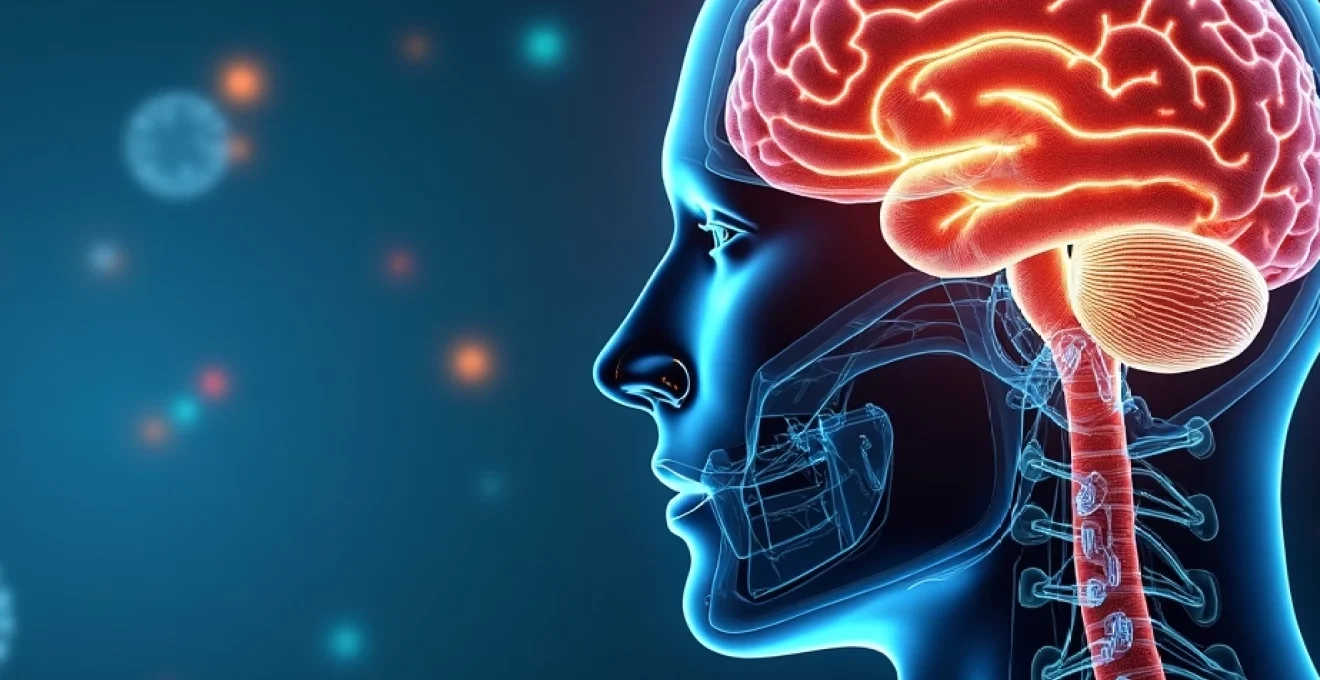
Recent groundbreaking research has unveiled startling connections between seemingly unrelated aspects of our daily lives and dementia risk. While medical professionals have long recognised traditional risk factors such as genetics and age, emerging evidence suggests that childhood loneliness may cast a shadow over cognitive health for decades. A comprehensive study tracking over 13,000 adults revealed that individuals who experienced frequent loneliness and lacked close friendships during childhood faced a 41% higher risk of developing dementia later in life. This discovery challenges conventional understanding of dementia prevention and highlights the profound impact of early-life experiences on brain health.
The implications extend far beyond individual cases, affecting millions worldwide as dementia cases are projected to reach 14 million Americans by 2060. Scientists now recognise that the developing brain during childhood represents a critical vulnerability window, where chronic stressors like loneliness can trigger lasting neurological changes. What makes this finding particularly concerning is that the increased risk persists even when individuals overcome loneliness in adulthood, suggesting irreversible alterations to brain structure and function.
Sleep apnoea and cognitive decline: emerging neurological connections
Sleep disorders have emerged as powerful predictors of dementia risk, with obstructive sleep apnoea representing one of the most significant modifiable factors. Recent neurological studies demonstrate that individuals suffering from untreated sleep apnoea experience accelerated cognitive decline compared to those with healthy sleep patterns. The connection becomes particularly evident when examining brain imaging studies, which reveal extensive white matter damage in sleep apnoea patients.
Excessive daytime sleepiness has been identified as a critical warning sign, with research showing that older adults experiencing dramatic increases in sleepiness face double the risk of developing dementia. This relationship proves especially complex because natural aging processes can increase fatigue levels, making it challenging to distinguish between normal tiredness and pathological sleepiness that signals underlying neurological changes.
Obstructive sleep apnoea hypopnoea syndrome (OSAHS) pathophysiology
The mechanical process of sleep apnoea creates a cascade of neurological damage through repeated oxygen deprivation episodes. During apnoeic events, blood oxygen levels plummet while carbon dioxide accumulates, triggering emergency responses that fragment sleep architecture. These physiological disruptions prevent the brain from entering deep sleep phases essential for memory consolidation and cellular repair processes.
OSAHS patients typically experience 30 to 100 breathing interruptions per hour, each lasting 10 seconds or longer. This pattern creates chronic sleep fragmentation that impairs the brain’s ability to clear metabolic waste products, including amyloid-beta plaques associated with Alzheimer’s disease. The repetitive nature of these events establishes a cycle of neurological stress that compounds over years or decades.
Intermittent hypoxaemia and tau protein accumulation
Oxygen fluctuations during sleep apnoea episodes trigger inflammatory responses that promote tau protein aggregation within brain cells. Tau proteins normally stabilise neuronal structures, but chronic hypoxaemia causes these proteins to become hyperphosphorylated and form toxic tangles. These neurofibrillary tangles represent one of the hallmark pathological features of Alzheimer’s disease and other tauopathies.
Laboratory studies demonstrate that even mild intermittent hypoxaemia can accelerate tau pathology development. The hippocampus and prefrontal cortex show particular vulnerability to oxygen deprivation, explaining why sleep apnoea patients often experience memory problems and executive function deficits years before receiving dementia diagnoses.
Sleep fragmentation effects on glymphatic system clearance
The glymphatic system functions as the brain’s waste disposal mechanism, operating most efficiently during deep sleep stages. Sleep fragmentation caused by apnoeic events severely compromises this critical clearance process, allowing toxic proteins to accumulate within brain tissue. Research indicates that glymphatic dysfunction may precede clinical dementia symptoms by decades.
During normal deep sleep, cerebrospinal fluid flows increase by up to 60%, washing away metabolic byproducts including amyloid-beta and tau proteins. Sleep apnoea disrupts this natural cleaning cycle, creating conditions favourable for neurodegenerative protein aggregation. The relationship between sleep quality and glymphatic function explains why consistent, restorative sleep proves essential for long-term brain health.
Wisconsin sleep cohort study findings on dementia risk
Longitudinal data from the Wisconsin Sleep Cohort Study provides compelling evidence linking sleep-disordered breathing to accelerated cognitive decline. Participants with severe sleep apnoea showed cognitive aging patterns equivalent to individuals 10 years older than their chronological age. The study tracked over 1,500 participants for two decades, revealing progressive relationships between apnoea severity and dementia risk.
Most significantly, the research demonstrated that early intervention with continuous positive airway pressure (CPAP) therapy could potentially reverse some cognitive deficits. Participants who achieved consistent CPAP compliance showed stabilised or improved cognitive performance compared to untreated individuals. These findings underscore the importance of addressing sleep disorders as a modifiable dementia risk factor.
Air pollution exposure and neurodegenerative disease mechanisms
Environmental neurotoxins represent an increasingly recognised category of dementia risk factors, with air pollution exposure showing particularly strong associations with cognitive decline. Urban populations face elevated risks due to chronic exposure to fine particulate matter, nitrogen oxides, and other pollutants that can directly damage brain tissue. Recent epidemiological studies suggest that long-term air pollution exposure may account for up to 7% of dementia cases globally.
The neurological impact of air pollution operates through multiple pathways, including direct particle penetration of brain tissue, systemic inflammation, and cardiovascular damage that reduces cerebral blood flow. Traffic-related air pollution shows especially strong correlations with accelerated cognitive aging, with individuals living within 50 metres of major roadways facing significantly elevated dementia risks compared to those in cleaner environments.
PM2.5 particulate matter Blood-Brain barrier penetration
Ultrafine particles measuring less than 2.5 micrometers (PM2.5) possess the unique ability to cross the blood-brain barrier, allowing direct access to neural tissue. Once inside the brain, these particles trigger localised inflammatory responses that can persist for months or years. Neuroimaging studies reveal that individuals with high PM2.5 exposure show reduced brain volumes in regions critical for memory and executive function.
The olfactory pathway provides another route for particulate matter to reach the brain, bypassing the blood-brain barrier entirely. Particles inhaled through the nose can travel along olfactory neurons directly into the limbic system, including the hippocampus and amygdala. This pathway explains why air pollution exposure correlates strongly with early-onset memory problems and emotional regulation difficulties.
Neuroinflammatory responses to ultrafine particles
Chronic exposure to ultrafine particles activates microglial cells, the brain’s resident immune cells, leading to sustained neuroinflammatory responses. Activated microglia release pro-inflammatory cytokines and reactive oxygen species that damage surrounding neurons and promote amyloid plaque formation. This inflammatory cascade creates conditions similar to those observed in Alzheimer’s disease pathology.
Research demonstrates that neuroinflammation induced by air pollution can persist for extended periods, even after exposure reduction. The brain’s limited ability to repair inflammatory damage means that early-life or prolonged exposure may create permanent vulnerabilities to neurodegenerative processes. This finding emphasises the importance of pollution reduction policies for public brain health.
Traffic-related air pollution (TRAP) and alzheimer’s pathology
Vehicle emissions contain complex mixtures of neurotoxic compounds, including diesel exhaust particles, nitrogen dioxide, and polycyclic aromatic hydrocarbons. Longitudinal studies tracking individuals living near major transportation corridors show accelerated development of Alzheimer’s-associated brain changes, including increased amyloid deposition and tau protein aggregation.
The relationship between TRAP exposure and Alzheimer’s pathology appears dose-dependent, with higher exposure levels correlating with more severe neuropathological changes. Individuals with genetic predispositions to Alzheimer’s disease show particular vulnerability to traffic pollution effects, suggesting gene-environment interactions that amplify dementia risk. Urban planning initiatives focusing on green spaces and traffic reduction may provide significant neuroprotective benefits for aging populations.
London and beijing longitudinal cohort study results
Comparative studies between London and Beijing populations reveal striking differences in dementia rates correlating with air quality measurements. Beijing residents, exposed to PM2.5 levels averaging 85 micrograms per cubic metre, showed cognitive decline rates 40% higher than London residents experiencing average exposures of 15 micrograms per cubic metre. These findings provide compelling evidence for causational relationships between air pollution and neurodegeneration.
The longitudinal data spanning 15 years demonstrates that pollution-related cognitive decline accelerates after age 60, suggesting cumulative damage effects that become clinically apparent during normal aging processes. Interestingly, individuals who relocated from high-pollution to low-pollution environments showed some cognitive stabilisation, indicating potential benefits of environmental intervention even in later life.
Hearing loss and accelerated cognitive impairment
Untreated hearing loss has emerged as one of the most significant modifiable risk factors for dementia, with research indicating that individuals with severe hearing impairment face up to five times higher risk of cognitive decline. The relationship between auditory processing and cognitive function operates through multiple interconnected pathways, including social isolation, cognitive load theory, and shared neuropathological processes affecting both hearing and memory centres.
The cascade begins when hearing loss reduces the quality and quantity of auditory information reaching the brain, forcing cognitive systems to work harder to process speech and environmental sounds. This increased cognitive load diverts mental resources away from other executive functions, including memory formation and retrieval. Over time, this redistribution of cognitive resources may accelerate the depletion of cognitive reserve, making individuals more vulnerable to dementia-related brain changes.
Hearing loss doesn’t just affect your ears—it fundamentally alters how your brain processes information and maintains cognitive function throughout life.
Social consequences of hearing impairment create additional dementia risks through isolation mechanisms. Individuals with untreated hearing loss often withdraw from social interactions due to communication difficulties, leading to reduced cognitive stimulation and emotional support. This social withdrawal compounds the direct neurological effects of hearing loss, creating a synergistic increase in dementia risk that exceeds the sum of individual factors.
Recent advances in hearing aid technology and cochlear implant procedures offer promising intervention opportunities. Studies demonstrate that hearing restoration can slow cognitive decline rates and improve quality of life measures in older adults. The timing of intervention appears critical, with earlier treatment providing greater neuroprotective benefits than delayed intervention after significant cognitive decline has occurred.
Social isolation biomarkers and dementia progression
The biological mechanisms underlying social isolation’s impact on dementia risk involve complex interactions between stress hormone systems, inflammatory pathways, and neurotransmitter regulation. Chronic loneliness triggers physiological changes that mirror those observed in clinical depression and anxiety disorders, creating neurobiological conditions that accelerate cognitive decline and increase vulnerability to neurodegenerative processes.
Childhood loneliness appears particularly damaging because it occurs during critical brain development periods when neural networks are forming and stress response systems are establishing baseline function levels. The research tracking over 1,400 adults found that 45% reported childhood loneliness, with these individuals showing consistently faster cognitive decline rates throughout middle age and beyond, regardless of their adult social connection status.
Chronic loneliness impact on cortisol levels
Sustained loneliness elevates cortisol production, creating chronic stress conditions that damage hippocampal neurons essential for memory formation and retrieval. Elevated cortisol levels interfere with neuroplasticity mechanisms, reducing the brain’s ability to form new connections and adapt to changing circumstances. This hormonal dysregulation creates conditions similar to those observed in major depressive disorder and post-traumatic stress disorder.
Longitudinal studies measuring cortisol patterns in lonely versus socially connected individuals reveal significant differences in both baseline levels and stress reactivity patterns. Chronically lonely individuals show flattened diurnal cortisol rhythms, indicating dysregulated hypothalamic-pituitary-adrenal axis function that persists even during periods of reduced stress. These alterations may represent permanent changes to stress response systems established during vulnerable developmental periods.
Inflammatory cytokine elevation in socially isolated populations
Social isolation triggers chronic inflammatory responses characterised by elevated levels of interleukin-6, tumor necrosis factor-alpha, and C-reactive protein. These inflammatory markers correlate strongly with accelerated cognitive decline and increased dementia risk in population studies. The inflammatory cascade associated with loneliness resembles patterns observed in autoimmune disorders and chronic inflammatory diseases.
Neuroinflammation induced by social isolation specifically affects brain regions involved in memory processing, executive function, and emotional regulation. Microglial activation in response to chronic stress creates conditions that promote amyloid plaque formation and tau protein aggregation, directly contributing to Alzheimer’s disease pathophysiology. The persistence of these inflammatory changes explains why childhood loneliness effects continue throughout life.
Framingham heart study social network analysis
Data from the landmark Framingham Heart Study reveals that individuals with larger, more diverse social networks show significantly slower rates of cognitive decline over decades of follow-up. The protective effects of social connection appear dose-dependent, with each additional close relationship providing measurable cognitive benefits. Most importantly, the quality of relationships matters more than quantity, with emotionally supportive connections providing greater protection than superficial social contacts.
The multigenerational design of the Framingham study allows examination of social isolation effects across family systems and age cohorts. Results indicate that social isolation tends to cluster within families and communities, suggesting both genetic and environmental factors contribute to loneliness risk. Interventions targeting social connection at community levels may provide broader public health benefits than individual-focused approaches.
COVID-19 lockdown effects on mild cognitive impairment progression
The global pandemic provided an unprecedented natural experiment in social isolation effects on cognitive function, with dramatic increases in loneliness and social disconnection affecting populations worldwide. Preliminary data from ongoing longitudinal studies suggest that lockdown-related isolation accelerated cognitive decline rates by an average of 18 months in individuals with pre-existing mild cognitive impairment.
Telemedicine and virtual social interaction technologies showed some protective effects, but could not fully compensate for in-person social connection benefits. The differential impact of isolation on various demographic groups revealed that older adults, individuals with limited technology access, and those with pre-existing mental health conditions experienced the most severe cognitive consequences. These findings highlight the importance of maintaining social connections as an essential component of dementia prevention strategies.
Ultra-processed food consumption and alzheimer’s disease risk
Dietary patterns characterised by high consumption of ultra-processed foods show increasingly strong associations with accelerated cognitive decline and elevated dementia risk. These industrially manufactured products, including packaged snacks, sugary beverages, processed meats, and ready-made meals, contain additives, preservatives, and artificial compounds that may directly damage brain tissue or promote systemic conditions harmful to cognitive function.
The mechanisms linking ultra-processed foods to dementia risk operate through multiple pathways, including chronic inflammation, insulin resistance, gut microbiome disruption, and direct neurotoxic effects of food additives. Population studies indicate that individuals consuming the highest quantities of ultra-processed foods face up to 28% higher dementia risks compared to those following diets rich in whole, minimally processed foods. The relationship appears particularly strong for early-onset dementia cases occurring before age 65.
Your dietary choices today may be programming your brain’s vulnerability to dementia decades in the future, making nutrition one of the most powerful tools for cognitive preservation.
Advanced glycation end products (AGEs) formed during industrial food processing create inflammatory conditions that accelerate brain aging processes. These compounds accumulate in neural tissue over time, promoting oxidative stress and protein cross-linking that interferes with normal cellular function. The concentration of AGEs in ultra-processed foods can be 10 to 100 times higher than levels found in fresh, whole foods prepared using traditional cooking methods.
Emerging research on the gut-brain axis reveals that ultra-processed food consumption dramatically alters intestinal microbiome composition in ways that may influence cognitive function. Beneficial bacteria species that produce neuroprotective compounds like short-chain fatty acids decline significantly in individuals consuming high levels of processed foods. This microbiome disruption creates systemic inflammatory conditions that can affect brain health through multiple pathways, including vagal nerve signaling and blood-brain barrier integrity.
Clinical assessment protocols for novel risk factor detection
Healthcare providers increasingly recognise the need for comprehensive risk assessment approaches that evaluate newly identified dementia risk factors alongside traditional screening measures
. These comprehensive evaluations must incorporate assessment tools for detecting sleep disorders, environmental exposure history, hearing function testing, social isolation screening, and nutritional pattern analysis. Traditional cognitive screening instruments like the Mini-Mental State Examination provide insufficient information about these emerging risk factors, necessitating development of integrated assessment protocols.
Modern dementia risk evaluation requires multidisciplinary approaches involving neurologists, sleep specialists, audiologists, and nutritionists working collaboratively to identify modifiable risk factors before cognitive symptoms appear. Early detection protocols should include objective sleep study referrals for individuals reporting excessive daytime sleepiness, comprehensive hearing assessments for adults over 50, and detailed dietary pattern analysis focusing on ultra-processed food consumption levels.
The integration of biomarker testing for inflammatory cytokines, cortisol dysregulation, and advanced glycation end products offers promising avenues for quantifying risk factor impacts on neural health. Blood-based biomarkers can provide objective measures of neuroinflammation, stress hormone disruption, and metabolic dysfunction associated with newly identified dementia risk factors. These biological indicators may prove more sensitive than cognitive testing for detecting early neuropathological changes.
Comprehensive dementia risk assessment must evolve beyond traditional cognitive testing to encompass the complex web of lifestyle, environmental, and social factors that shape brain health throughout life.
Healthcare systems face implementation challenges in adopting comprehensive risk assessment protocols, including training requirements, time constraints, and resource allocation considerations. Electronic health record systems need updating to capture detailed information about childhood experiences, sleep patterns, environmental exposures, and social connection quality. These technological adaptations require significant investment but may yield substantial returns through improved prevention outcomes.
Patient education initiatives must emphasise that dementia risk assessment extends far beyond family history and genetic testing. Individuals need understanding that their daily choices regarding sleep hygiene, social engagement, environmental exposure reduction, and dietary patterns significantly influence their long-term cognitive trajectory. This knowledge empowers people to take proactive steps in modifying controllable risk factors before irreversible brain changes occur.
The clinical implementation of novel risk factor screening protocols requires validated assessment instruments specifically designed for detecting sleep disorders, social isolation, hearing impairment, and ultra-processed food consumption patterns. Standardised questionnaires must be developed and tested across diverse populations to ensure cultural sensitivity and diagnostic accuracy. These tools should integrate seamlessly into routine healthcare encounters without significantly extending appointment durations.
Future research directions must focus on establishing threshold levels for newly identified risk factors that warrant clinical intervention. How much childhood loneliness constitutes significant risk? What degree of hearing loss requires immediate attention? At what level does ultra-processed food consumption become neurologically dangerous? Answering these questions requires large-scale longitudinal studies with standardised measurement protocols across multiple populations.
The economic implications of comprehensive dementia risk assessment include both immediate healthcare costs and long-term savings from prevention interventions. Early detection and modification of risk factors may prevent or delay dementia onset, reducing healthcare expenditures associated with advanced cognitive decline. Cost-effectiveness analyses must weigh screening expenses against potential savings from reduced dementia care requirements.
Technology integration offers opportunities for continuous risk factor monitoring through wearable devices, smartphone applications, and home-based assessment tools. Sleep tracking devices can identify patterns suggestive of sleep disorders, while social interaction monitoring applications might detect isolation trends before they become clinically significant. These technological solutions could democratise access to sophisticated risk assessment capabilities.
The development of personalised risk prediction models incorporating multiple novel factors represents the future of dementia prevention medicine. Machine learning algorithms can integrate complex datasets including childhood experiences, current lifestyle factors, environmental exposures, and biological markers to generate individualised risk scores. These predictive models could guide targeted intervention strategies tailored to each person’s unique risk profile.
Healthcare provider training programmes must incorporate education about emerging dementia risk factors and their clinical significance. Medical schools, residency programmes, and continuing education initiatives need curriculum updates reflecting current understanding of modifiable risk factors. Providers require skills in sleep disorder recognition, hearing loss assessment, social isolation screening, and nutritional counselling to implement comprehensive risk reduction strategies effectively.