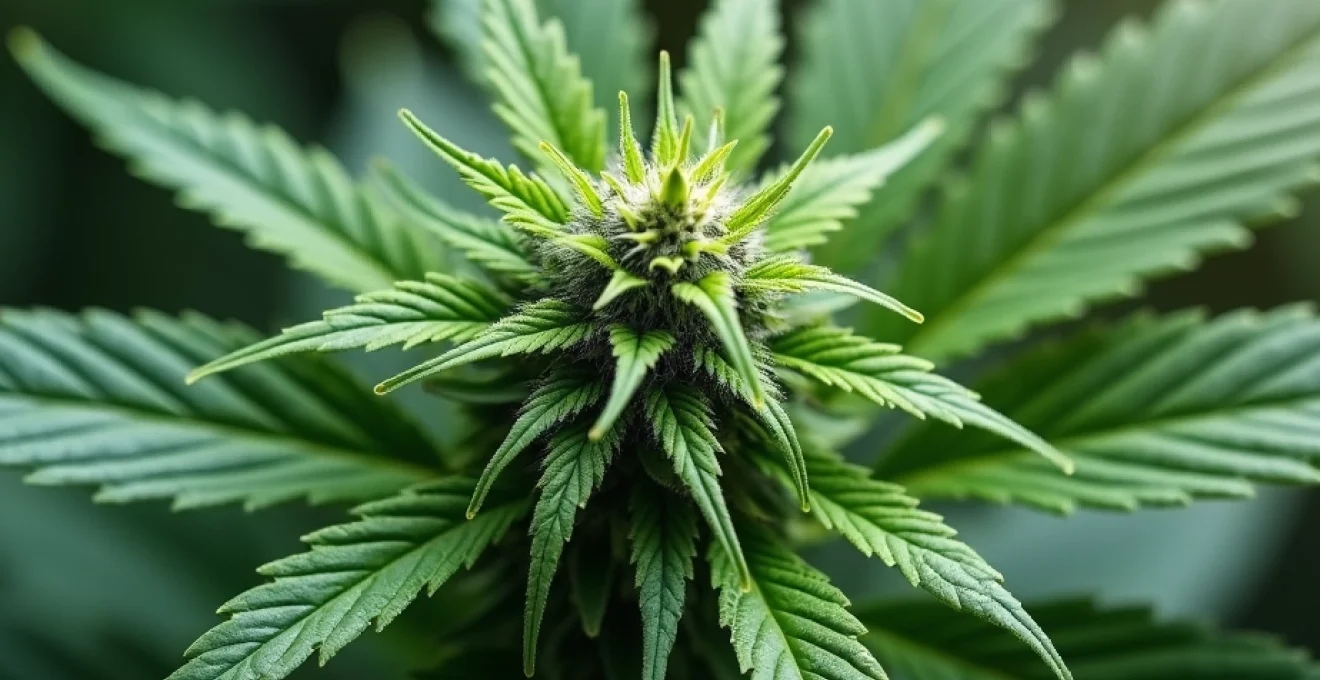
Age-related macular degeneration stands as one of the most pressing concerns in modern ophthalmology, affecting millions of individuals worldwide and representing the leading cause of severe visual impairment in adults over 50. As researchers continue exploring innovative therapeutic approaches for this debilitating condition, cannabis and its constituent compounds have emerged as subjects of considerable scientific interest. The growing body of research investigating cannabinoids’ potential neuroprotective and anti-inflammatory properties has sparked discussions about their possible applications in retinal diseases, particularly in addressing the complex pathological mechanisms underlying macular degeneration.
Understanding Age-Related macular degeneration and retinal pathophysiology
Age-related macular degeneration represents a multifaceted degenerative disorder affecting the central retina, specifically targeting the macula lutea region responsible for high-acuity vision. This condition manifests through progressive deterioration of photoreceptors, retinal pigment epithelium, and underlying choroidal vasculature, ultimately resulting in irreversible central vision loss that profoundly impacts quality of life.
Drusen formation and bruch’s membrane dysfunction in AMD progression
The hallmark pathological feature of early AMD involves the accumulation of drusen deposits beneath the retinal pigment epithelium. These extracellular deposits consist primarily of lipids, proteins, and cellular debris that accumulate within Bruch’s membrane, creating a barrier that impedes normal metabolic transport between the retinal pigment epithelium and the underlying choriocapillaris. As drusen deposits increase in size and density, they trigger inflammatory cascades that contribute to progressive retinal dysfunction.
Research indicates that drusen formation results from impaired clearance mechanisms within the retinal pigment epithelium, combined with oxidative stress and complement system activation. These deposits contain inflammatory mediators, including complement proteins and cytokines, which perpetuate chronic inflammation and accelerate disease progression. The mechanical disruption caused by large drusen can lead to retinal pigment epithelium detachment and subsequent photoreceptor degeneration.
Geographic atrophy versus neovascular AMD classifications
AMD classification divides into two primary forms: dry (atrophic) AMD and wet (neovascular) AMD, each presenting distinct pathological mechanisms and clinical presentations. Dry AMD, accounting for approximately 85-90% of cases, progresses slowly through the development of geographic atrophy, characterised by sharply demarcated areas of retinal pigment epithelium and photoreceptor loss.
Neovascular AMD, whilst less common, accounts for the majority of severe vision loss cases. This form involves choroidal neovascularisation, where abnormal blood vessels grow beneath the macula, leading to fluid leakage, haemorrhage, and rapid central vision deterioration. The driving force behind neovascular AMD includes upregulation of vascular endothelial growth factor (VEGF) and other pro-angiogenic mediators.
Photoreceptor degeneration and central vision loss mechanisms
The progressive loss of photoreceptors in AMD follows a predictable pattern, beginning with dysfunction of the metabolically active cone photoreceptors responsible for central vision. This degeneration occurs secondary to retinal pigment epithelium compromise, as these cells provide essential metabolic support through phagocytosis of shed photoreceptor outer segments and recycling of visual pigments.
When retinal pigment epithelium function becomes impaired, photoreceptors lose their primary source of metabolic support, leading to cellular stress, dysfunction, and eventual death. The resulting scotomata initially present as small blind spots that gradually expand, ultimately culminating in central vision loss that severely impacts reading, facial recognition, and detailed visual tasks.
Risk factors including ARMS2 and CFH genetic variants
Genetic predisposition plays a crucial role in AMD development, with several identified polymorphisms significantly influencing disease risk. The complement factor H (CFH) gene variants, particularly the Y402H polymorphism, represent one of the most significant genetic risk factors, increasing AMD susceptibility by modulating complement system regulation within the retina.
The ARMS2 (age-related maculopathy susceptibility 2) gene variants also contribute substantially to AMD risk, though their precise functional mechanisms remain under investigation. Additional risk factors include advanced age, smoking history, cardiovascular disease, hypertension, and dietary factors, with environmental and genetic interactions determining individual susceptibility patterns.
Endocannabinoid system function in ocular tissues
The endocannabinoid system represents a sophisticated signalling network present throughout ocular tissues, including the retina, where it modulates various physiological processes relevant to macular degeneration pathogenesis. This system comprises endogenous cannabinoids, their synthetic and degradative enzymes, and cannabinoid receptors that collectively regulate inflammation, neuroprotection, and vascular function within the eye.
CB1 and CB2 cannabinoid receptor distribution in retinal layers
Cannabinoid receptor distribution within retinal architecture demonstrates specific localisation patterns that suggest distinct functional roles in retinal physiology. CB1 receptors show predominant expression in retinal ganglion cells, amacrine cells, and photoreceptors, where they modulate neurotransmitter release and synaptic transmission. These receptors appear particularly concentrated in the inner retinal layers, suggesting roles in visual processing and neuroprotection.
CB2 receptors exhibit different distribution patterns, with expression primarily observed in microglial cells, müller cells, and retinal pigment epithelium. This localisation pattern indicates CB2 receptor involvement in immune responses and inflammatory processes within the retina, making them particularly relevant for AMD pathogenesis where chronic inflammation plays a central role.
Anandamide and 2-AG production in retinal pigment epithelium
The retinal pigment epithelium demonstrates capacity for endocannabinoid synthesis, producing both anandamide and 2-arachidonoylglycerol (2-AG) in response to various stimuli. These endogenous ligands serve as local mediators, modulating cellular responses to oxidative stress, inflammation, and metabolic demands within the outer retina.
Anandamide production increases during retinal stress conditions, potentially serving as an endogenous neuroprotective mechanism. Similarly, 2-AG synthesis responds to inflammatory stimuli, suggesting roles in modulating immune responses within retinal tissues. The balance between these endocannabinoids and their degradation determines local signalling strength and duration.
FAAH and MAGL enzyme activity in ocular inflammation
Fatty acid amide hydrolase (FAAH) and monoacylglycerol lipase (MAGL) represent the primary degradative enzymes for anandamide and 2-AG, respectively. Their activity levels within ocular tissues influence endocannabinoid concentrations and, consequently, the magnitude of cannabinoid receptor activation during inflammatory conditions.
During ocular inflammation, FAAH and MAGL expression can become dysregulated, potentially altering endocannabinoid tone and contributing to pathological processes. Understanding these enzymatic changes provides insights into how exogenous cannabinoids might interact with endogenous systems in diseased retinal tissues.
Endocannabinoid modulation of retinal blood flow
The endocannabinoid system influences retinal vascular function through multiple mechanisms, including direct effects on vascular smooth muscle cells and indirect modulation through neuronal pathways. Cannabinoid receptor activation can produce vasodilation or vasoconstriction depending on receptor subtypes involved and local tissue conditions.
In the context of AMD, where choroidal blood flow alterations contribute to disease progression, endocannabinoid-mediated vascular effects could potentially influence disease outcomes. However, the complexity of these interactions requires careful consideration when evaluating therapeutic applications.
Cannabinoid compounds and neuroprotective mechanisms
Cannabis contains over 100 distinct cannabinoid compounds, each exhibiting unique pharmacological properties and potential therapeutic applications for retinal conditions. The most extensively studied cannabinoids include tetrahydrocannabinol (THC), cannabidiol (CBD), and cannabigerol (CBG), though emerging research continues to identify additional compounds with potential ocular benefits. Understanding the specific mechanisms through which these compounds might influence AMD progression requires examination of their individual properties and interactions with retinal tissues.
Thc-mediated intraocular pressure reduction studies
Tetrahydrocannabinol demonstrates well-documented effects on intraocular pressure reduction, primarily through CB1 receptor activation. Whilst this property has generated interest for glaucoma treatment, its relevance to AMD remains less clear, as intraocular pressure elevation is not a primary feature of macular degeneration. However, THC’s additional properties, including anti-inflammatory and neuroprotective effects, may offer broader therapeutic potential.
Clinical studies examining THC’s ocular effects have consistently demonstrated transient intraocular pressure reductions lasting 3-4 hours following administration. The mechanism involves aqueous humour production modulation and conventional outflow pathway enhancement, though the short duration of action limits practical therapeutic applications for most conditions.
CBD Anti-Inflammatory effects on retinal microglial activation
Cannabidiol exhibits potent anti-inflammatory properties through multiple pathways, including microglial activation suppression and pro-inflammatory cytokine production reduction. In retinal tissues, CBD can modulate microglial responses to inflammatory stimuli, potentially reducing the chronic inflammation that contributes to AMD progression.
Recent research indicates that CBD influences microglial polarisation, promoting anti-inflammatory M2 phenotypes whilst suppressing pro-inflammatory M1 activation states. This dual effect could prove particularly valuable in AMD, where sustained microglial activation contributes to progressive retinal degeneration and photoreceptor loss.
CBG potential for VEGF inhibition in neovascular AMD
Cannabigerol represents an emerging cannabinoid of interest for neovascular AMD due to its potential anti-angiogenic properties. Preliminary research suggests CBG may influence vascular endothelial growth factor pathways, though comprehensive studies specifically examining its effects on choroidal neovascularisation remain limited.
The theoretical basis for CBG’s anti-angiogenic effects stems from its interactions with various molecular targets involved in blood vessel formation and maintenance. However, translating these findings into practical therapeutic applications requires extensive additional research to establish safety and efficacy profiles.
Terpene profiles and synergistic neuroprotection
Cannabis terpenes, aromatic compounds that contribute to the plant’s distinctive scent profiles, may provide additional therapeutic benefits through the “entourage effect.” Terpenes such as myrcene, limonene, and pinene demonstrate individual neuroprotective properties and may enhance cannabinoid effectiveness when present in combination.
The concept of synergistic interactions between cannabinoids and terpenes suggests that whole-plant preparations might offer superior therapeutic outcomes compared to isolated compounds. This principle could prove particularly relevant for complex conditions like AMD, where multiple pathological mechanisms require simultaneous targeting.
Clinical research evidence and preclinical animal models
The current evidence base examining cannabis efficacy for macular degeneration remains limited but growing, with most research conducted in preclinical animal models rather than human clinical trials. The UK Biobank study represents the largest epidemiological investigation to date, analysing data from over 400,000 participants to examine relationships between cannabis use patterns and AMD development. This comprehensive analysis revealed complex associations that challenge simple interpretations of cannabis benefits or risks.
Individuals who reported using cannabis more than 100 times demonstrated significantly reduced AMD risk compared to never-users, yet those who developed AMD despite heavy cannabis use experienced disease onset approximately 8 years earlier than non-users.
These findings highlight the nuanced nature of cannabis-AMD interactions, suggesting potential protective mechanisms alongside concerning accelerated progression patterns in certain populations. The study’s authors hypothesised that cannabis’s anti-inflammatory properties might reduce overall AMD risk through complement system modulation and oxidative stress reduction, whilst its anti-angiogenic effects could potentially accelerate choroidal vascular changes leading to earlier disease manifestation.
Preclinical animal studies have provided additional insights into cannabinoid mechanisms in retinal degeneration models. Research using light-induced retinal damage models has demonstrated that cannabinoid receptor activation can provide significant photoreceptor protection through multiple pathways, including reduced inflammatory mediator production, enhanced antioxidant enzyme activity, and improved retinal pigment epithelium survival.
A systematic review examining cannabis effects on retinal tissues identified 16 relevant studies, predominantly focusing on neuroretinal dysfunction and vascular effects. The review concluded that cannabinoids demonstrate important roles in retinal processing and function, though translation to clinical applications requires substantial additional research. Most studies utilised animal models or in vitro systems, limiting direct applicability to human AMD patients.
Current clinical evidence remains insufficient to support cannabis as a standard AMD treatment. The Minnesota Department of Health’s inclusion of AMD as a qualifying condition for medical cannabis programmes was based on limited treatment options rather than proven efficacy. This regulatory decision reflects the desperate need for effective AMD therapies rather than robust evidence supporting cannabis benefits.
Medical cannabis delivery methods for retinal conditions
The theoretical application of cannabis for retinal conditions raises important questions regarding optimal delivery methods, dosing protocols, and administration routes. Traditional cannabis consumption methods, including smoking and oral ingestion, present challenges for achieving therapeutic concentrations within ocular tissues whilst minimising systemic side effects that could compromise daily functioning and quality of life.
Topical ocular delivery represents an attractive theoretical approach, though formulation challenges limit practical implementation. Cannabis compounds demonstrate poor water solubility, making traditional eye drop preparations difficult to achieve. Additionally, the blood-retinal barrier restricts drug penetration to posterior retinal structures where AMD pathology primarily occurs, necessitating innovative delivery strategies.
Sublingual administration offers improved bioavailability compared to oral routes whilst providing more predictable onset times and duration effects. This method allows for precise dosing control and avoids first-pass hepatic metabolism that can reduce therapeutic compound availability. However, achieving therapeutic retinal concentrations through systemic administration remains challenging.
Intraocular injection, whilst invasive, provides direct drug delivery to retinal tissues and represents the standard approach for current AMD treatments such as anti-VEGF therapies. Developing injectable cannabinoid formulations would require extensive safety testing and stability studies to ensure compatibility with delicate intraocular structures.
Sustained-release delivery systems, including biodegradable implants and nanoparticle formulations, offer potential advantages for chronic conditions like AMD. These approaches could provide consistent drug levels over extended periods whilst minimising injection frequency and associated risks. However, developing such systems for cannabinoid compounds presents significant technical challenges.
Current treatment landscape and integration considerations
The established AMD treatment paradigm centres on evidence-based interventions with proven efficacy and safety profiles. For neovascular AMD, anti-VEGF intravitreal injections represent the gold standard, demonstrating consistent ability to stabilise or improve vision in the majority of patients. These treatments, including ranibizumab, aflibercept, and bevacizumab, have revolutionised wet AMD management and continue to evolve through improved formulations and extended-duration preparations.
Dry AMD management focuses primarily on nutritional supplementation, specifically the AREDS2 formulation containing vitamins C and E, zinc, copper, lutein, and zeaxanthin. These supplements demonstrate modest benefits in slowing progression to advanced AMD stages, though they cannot prevent disease development or restore lost vision. Additional interventions include lifestyle modifications such as smoking cessation, dietary improvements, and UV protection.
The integration of cannabis-based therapies into existing treatment frameworks would require careful consideration of drug interactions, particularly with current AMD medications. Cannabis compounds can influence cytochrome P450 enzyme systems responsible for drug metabolism, potentially altering the effectiveness of concurrent treatments. Additionally, the psychoactive effects of THC-containing preparations could compromise patients’ ability to safely navigate their environment or operate vehicles.
Legal considerations add complexity to cannabis integration, as regulatory status varies significantly across jurisdictions. Healthcare providers must navigate evolving legal frameworks whilst maintaining professional standards and patient safety priorities. The lack of standardised cannabis preparations further complicates clinical decision-making, as cannabinoid concentrations and ratios can vary substantially between products.
Patient selection criteria would need careful development if cannabis therapies demonstrated proven efficacy. Considerations would include disease stage and severity, previous treatment responses, concurrent medications, cognitive status, and individual risk-benefit
profiles. Age-related considerations become particularly important, as older adults may experience enhanced sensitivity to cannabis effects and increased risk of adverse reactions.
Healthcare providers must also consider the potential impact on existing AMD monitoring protocols. Regular optical coherence tomography imaging, fluorescein angiography, and visual field testing could potentially be affected by cannabis use, particularly if patients experience altered visual perception or cognitive changes that interfere with testing procedures.
The economic implications of integrating cannabis therapies into AMD treatment regimens require careful evaluation. Current anti-VEGF treatments, whilst expensive, demonstrate clear cost-effectiveness through vision preservation and maintained quality of life. Cannabis-based interventions would need to demonstrate similar or superior economic value to justify integration into healthcare systems already strained by AMD treatment costs.
Insurance coverage considerations add another layer of complexity, as medical cannabis remains excluded from most insurance plans despite growing state-level legalisation. Patients would likely bear the full financial burden of cannabis treatments, potentially limiting access and creating healthcare equity concerns. This economic barrier could disproportionately affect elderly populations already facing fixed-income limitations.
Professional liability and clinical guidelines present additional challenges for healthcare providers considering cannabis recommendations. Without established clinical protocols, standardised dosing guidelines, or comprehensive safety data, practitioners face potential legal and ethical dilemmas when discussing cannabis options with AMD patients.
The current landscape suggests that whilst cannabis compounds may offer theoretical benefits for AMD management, significant barriers exist to practical implementation. Evidence-based medicine principles require robust clinical trial data demonstrating safety and efficacy before integrating new therapies into standard care protocols. Until such evidence emerges, healthcare providers must continue relying on proven treatments whilst remaining open to emerging research developments.
Future integration considerations should include the development of cannabis-specific clinical practice guidelines, standardised product formulations, healthcare provider education programmes, and comprehensive patient safety monitoring systems. These foundational elements would be essential prerequisites for responsible integration of cannabis therapies into mainstream AMD care.
The evolving regulatory landscape surrounding cannabis research presents both opportunities and challenges for advancing our understanding of its potential applications in retinal diseases. As legal barriers to cannabis research continue to diminish, we may see accelerated investigation into specific cannabinoid compounds and their mechanisms of action in AMD pathophysiology.