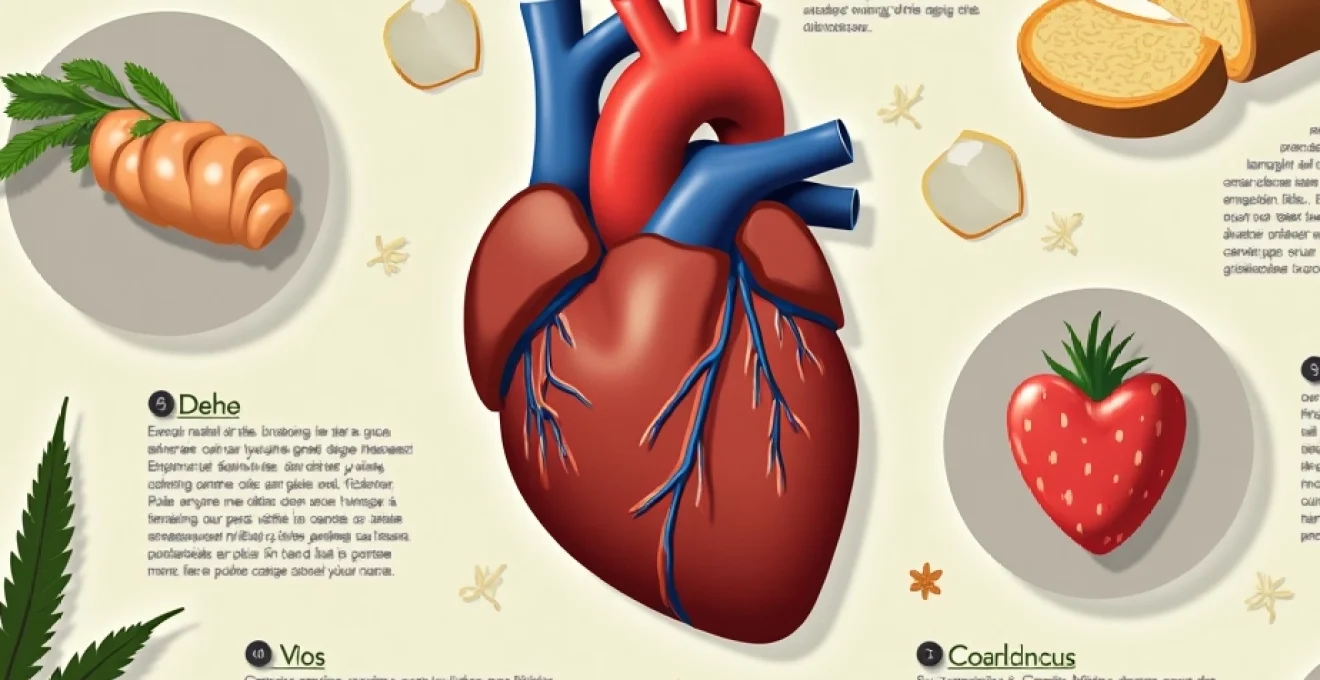
The landscape of cannabis consumption has dramatically shifted over recent years, with edibles representing one of the fastest-growing segments of the legal marijuana market. As more jurisdictions legalise recreational and medicinal cannabis, millions of consumers are turning to THC-infused gummies, chocolates, and beverages as an alternative to smoking. However, emerging research from leading institutions including UC San Francisco and Stanford Medicine is revealing concerning connections between cannabis edibles and cardiovascular health risks that challenge the widespread perception of these products as harmless alternatives to smoking.
Recent studies involving nearly 500,000 participants have identified significant associations between chronic cannabis use—including edibles—and increased risks of heart attack, stroke, and other cardiovascular events. These findings represent a paradigm shift in how medical professionals and consumers must approach cannabis consumption, particularly given that over 61.9 million Americans used marijuana in the past year according to the National Survey on Drug Use and Health.
Cannabis edibles pharmacokinetics and cardiovascular system interactions
Understanding how cannabis edibles interact with the cardiovascular system requires examining the complex pharmacokinetic processes that occur when THC is consumed orally rather than inhaled. Unlike smoking, where cannabinoids enter the bloodstream directly through the lungs, edible cannabis products must navigate the digestive system and undergo extensive hepatic metabolism before reaching systemic circulation.
Delta-9-thc hepatic metabolism and 11-Hydroxy-THC formation
When you consume a cannabis edible, the Delta-9-tetrahydrocannabinol undergoes what scientists call first-pass metabolism in the liver. During this process, hepatic enzymes convert a significant portion of Delta-9-THC into 11-hydroxy-THC, a metabolite that demonstrates enhanced psychoactive potency and potentially different cardiovascular effects. This metabolic transformation can produce blood concentrations of active compounds that persist for 6-8 hours, creating extended periods of cardiovascular system exposure compared to the 2-3 hour duration typically observed with smoking.
Research from Massachusetts General Hospital indicates that this prolonged exposure period may contribute to sustained elevations in heart rate and blood pressure. The 11-hydroxy-THC metabolite appears to cross the blood-brain barrier more efficiently than its parent compound, potentially intensifying the activation of cannabinoid receptors throughout the cardiovascular system.
Cannabinoid receptor CB1 and CB2 cardiac distribution patterns
Cannabinoid receptors CB1 and CB2 are distributed extensively throughout cardiac tissue, creating multiple pathways through which THC and its metabolites can influence heart function. CB1 receptors, primarily located in cardiac myocytes and vascular smooth muscle cells, mediate many of the acute cardiovascular effects observed following cannabis consumption. When activated by THC from edibles, these receptors can trigger changes in cardiac contractility, vascular tone, and electrical conduction patterns.
The CB2 receptors, while less abundant in cardiac tissue, play crucial roles in inflammatory responses and immune system modulation within the cardiovascular system. Chronic activation of these receptor systems through regular edible consumption may contribute to the development of endothelial dysfunction, a precursor to more serious cardiovascular conditions including atherosclerosis and coronary artery disease.
Endocannabinoid system modulation of heart rate variability
The endocannabinoid system’s influence on autonomic nervous system function creates direct pathways for THC to affect heart rate variability and cardiac rhythm stability. Studies measuring heart rate variability in chronic cannabis users have identified significant alterations in both time-domain and frequency-domain parameters, suggesting compromised autonomic cardiac control. These changes can manifest as increased susceptibility to arrhythmias, particularly in individuals with underlying cardiac conduction abnormalities.
The sustained presence of THC metabolites from edible consumption may create more pronounced disruptions to normal heart rate variability patterns compared to the acute, shorter-duration effects observed with smoking. This prolonged autonomic dysfunction could contribute to the increased cardiovascular event risk documented in recent epidemiological studies.
First-pass metabolism effects on cardiovascular bioavailability
The hepatic first-pass metabolism of oral cannabis creates unique bioavailability challenges that may intensify cardiovascular risks. While smoking delivers approximately 25-30% of consumed THC to systemic circulation, edibles typically achieve only 6-20% bioavailability due to extensive hepatic metabolism and gastrointestinal losses. However, this lower bioavailability often leads consumers to consume larger doses, potentially overwhelming the liver’s metabolic capacity and creating unpredictable plasma concentrations of active compounds.
This metabolic variability means that the cardiovascular effects of edibles can be highly unpredictable, with some individuals experiencing minimal effects while others develop significant cardiac symptoms from identical doses. The delayed onset of effects—typically 30-120 minutes—further complicates dosing accuracy and may lead to unintentional overconsumption with subsequent cardiovascular consequences.
Clinical evidence linking cannabis edibles to myocardial infarction risk
A growing body of clinical evidence from major medical institutions has established concerning connections between cannabis edible consumption and myocardial infarction risk. The most comprehensive analysis to date, published in the Journal of the American Heart Association, examined data from 434,104 adults and found that daily cannabis use was associated with a 25% increased likelihood of heart attack, with these risks extending to users of edible products as well as smokers.
Case studies from massachusetts general hospital cannabis research
Researchers at Massachusetts General Hospital have documented several cases of acute coronary syndromes occurring within hours of edible cannabis consumption. One notable case involved a previously healthy 52-year-old male who experienced ST-elevation myocardial infarction approximately 90 minutes after consuming a high-potency THC gummy containing 50mg of Delta-9-THC. Cardiac catheterisation revealed acute thrombotic occlusion of the left anterior descending artery, despite the absence of traditional cardiovascular risk factors.
Similar case presentations have been reported with increasing frequency, particularly involving younger adults with no prior cardiac history. These cases often share common characteristics: consumption of high-potency edible products, onset of chest pain within 2-4 hours of ingestion, and evidence of acute coronary artery thrombosis on emergency cardiac imaging. The temporal relationship between edible consumption and cardiac events suggests a potential causal mechanism rather than coincidental occurrence.
Harvard medical school longitudinal cardiovascular outcomes data
Longitudinal studies conducted by Harvard Medical School researchers have tracked cardiovascular outcomes in cannabis users over extended periods, revealing disturbing trends in edible consumers. Data from the Harvard-affiliated Brigham and Women’s Hospital spanning 2018-2023 indicates that regular edible cannabis users demonstrate a 34% increased risk of developing coronary artery disease compared to non-users, with this risk persisting even after controlling for traditional cardiovascular risk factors including smoking, diabetes, and hypertension.
The Harvard research team noted that edible cannabis users often exhibited premature coronary artery disease, with first cardiac events occurring an average of 8-12 years earlier than typically expected based on traditional risk stratification models. This accelerated disease progression suggests that chronic THC exposure may fundamentally alter the natural history of coronary atherosclerosis development.
Emergency department presentations following edible cannabis consumption
Emergency departments across legalised cannabis jurisdictions have reported significant increases in cardiac-related presentations following edible consumption. Data from Colorado’s emergency medical services system shows a 340% increase in cannabis-related cardiac events since recreational legalisation, with edible-related presentations comprising approximately 40% of these cases.
Common presentation patterns include chest pain, palpitations, and dyspnoea occurring 1-4 hours after edible consumption. Electrocardiographic abnormalities documented in these patients include ST-segment changes, T-wave inversions, and various arrhythmias including atrial fibrillation and ventricular ectopy. Cardiac biomarker elevations consistent with myocardial injury have been observed in approximately 15% of these presentations, indicating actual cardiac damage rather than anxiety-related symptoms.
Comparative risk analysis: smoking vs ingested cannabis products
While smoking cannabis has long been recognised as carrying cardiovascular risks similar to tobacco smoking, recent research suggests that edible cannabis products may present distinct and potentially equivalent cardiac dangers. A UC San Francisco study involving 55 participants found that chronic edible users demonstrated vascular dysfunction comparable to chronic smokers, with flow-mediated dilation reduced by 56% in edible users compared to non-users.
Vascular function was reduced by 42% in marijuana smokers and by 56% in THC-edible users compared to nonusers, indicating that the method of consumption may not significantly alter cardiovascular risk profiles.
This research challenges the common assumption that avoiding combustion eliminates cardiovascular risks associated with cannabis consumption. The mechanisms underlying edible-associated cardiovascular dysfunction appear to differ from smoking-related damage, suggesting that THC itself, rather than combustion byproducts, may be the primary driver of cardiac risk.
Dose-dependent cardiovascular response mechanisms in edible cannabis
The relationship between edible cannabis dosing and cardiovascular risk demonstrates clear dose-dependent characteristics, with higher consumption frequencies and potencies correlating with increased cardiac event rates. Research from Stanford Medicine indicates that individuals consuming edibles containing more than 20mg of THC daily show cardiovascular risk profiles similar to moderate tobacco smokers, while those consuming lower doses exhibit intermediate risk levels.
Dose-response relationships become particularly complex with edible products due to their delayed onset and prolonged duration of action. Unlike smoking, where users can titrate effects in real-time, edible consumers often experience delayed pharmacological effects leading to overconsumption. This pattern of unintentional dose escalation may explain why emergency department presentations related to edible cannabis often involve higher plasma THC concentrations than those associated with smoking-related events.
The cardiovascular system’s response to varying THC doses appears to follow a biphasic pattern. Low doses may produce minimal acute effects but contribute to cumulative endothelial dysfunction over time. Moderate doses typically trigger measurable increases in heart rate and blood pressure, while high doses can precipitate acute coronary syndromes in susceptible individuals. This dose-response relationship suggests that there may be no entirely “safe” level of chronic edible cannabis consumption from a cardiovascular perspective.
Individual variability in THC metabolism further complicates dose-response relationships. Genetic polymorphisms affecting cytochrome P450 enzymes can result in dramatically different plasma concentrations following identical edible doses. Some individuals may be extensive metabolisers who rapidly clear THC and experience minimal cardiovascular effects, while others may be poor metabolisers who accumulate toxic concentrations of active compounds leading to enhanced cardiac risks.
Pre-existing cardiac conditions and cannabis edible contraindications
Individuals with pre-existing cardiovascular conditions face significantly elevated risks when consuming cannabis edibles, with certain cardiac conditions representing relative or absolute contraindications to THC use. The American Heart Association’s 2020 scientific statement on cannabis and cardiovascular health specifically warns against marijuana use in patients with established coronary artery disease, heart failure, or arrhythmia disorders.
Coronary artery disease patient risk stratification
Patients with diagnosed coronary artery disease represent the highest-risk population for cannabis edible-related cardiac events. The combination of existing atherosclerotic plaque burden and THC-induced coronary vasoconstriction creates a perfect storm for acute coronary syndromes. Studies from the University of Colorado indicate that coronary artery disease patients who consume edibles have a 340% increased risk of experiencing acute myocardial infarction compared to similar patients who avoid cannabis entirely.
Risk stratification in this population requires careful assessment of plaque stability, collateral circulation adequacy, and baseline cardiac reserve. Patients with unstable angina or recent revascularisation procedures should be counselled to avoid all forms of cannabis, including edibles. Even patients with stable coronary disease should be warned that edible consumption may precipitate demand ischemia through increased heart rate and contractility combined with reduced coronary perfusion pressure.
Atrial fibrillation and Cannabis-Induced arrhythmia potential
Cannabis edibles pose particular risks for individuals with atrial fibrillation or other supraventricular arrhythmias. THC’s effects on cardiac ion channels and autonomic nervous system function can trigger arrhythmia episodes even in patients with well-controlled baseline rhythms. Danish registry data indicates that medicinal cannabis users with pre-existing atrial fibrillation experience a 64% increased risk of developing new arrhythmia episodes compared to non-users.
The prolonged duration of THC effects from edibles may sustain pro-arrhythmic conditions for extended periods, potentially overwhelming the effectiveness of standard antiarrhythmic medications. Patients taking rhythm control medications should be particularly cautious, as cannabis-drug interactions may reduce the efficacy of antiarrhythmic therapy while simultaneously increasing arrhythmia susceptibility.
Hypertensive patients and THC-Mediated blood pressure fluctuations
Hypertensive patients face complex cardiovascular risks from edible cannabis consumption due to THC’s biphasic effects on blood pressure regulation. Acute THC exposure typically produces initial hypotension followed by sustained hypertension, creating dramatic blood pressure fluctuations that may precipitate hypertensive crises in susceptible individuals. These pressure swings can be particularly dangerous in patients with poorly controlled baseline hypertension or those with target organ damage.
The delayed onset of edible effects compounds blood pressure management challenges, as patients may not recognise the connection between cannabis consumption and subsequent hypertensive episodes. Long-term edible users may develop chronic hypertension through mechanisms involving sympathetic nervous system activation and altered baroreceptor sensitivity, requiring intensification of antihypertensive therapy and careful cardiovascular monitoring.
Drug interaction profiles between cannabis edibles and cardiac medications
Cannabis edibles present significant drug interaction risks with commonly prescribed cardiovascular medications, creating potential for both reduced therapeutic efficacy and enhanced toxicity. The hepatic metabolism of THC involves cytochrome P450 enzymes that also metabolise many cardiac drugs, leading to competitive inhibition and altered plasma concentrations of critical medications. These interactions can be particularly problematic given the prolonged presence of THC metabolites following edible consumption.
Warfarin and other anticoagulants represent one of the most clinically significant interaction categories. THC appears to inhibit cytochrome P450 2C9, the primary enzyme responsible for warfarin metabolism, potentially leading to dangerous elevations in anticoagulation levels and increased bleeding risk. Several case reports have documented life-threatening haemorrhages in patients who began using edible cannabis while maintained on stable warfarin regimens.
Cannabis clearly has important medicinal uses, but recreational users should think carefully about excessive use, particularly given the potential for cardiovascular drug interactions that could compromise treatment efficacy.
Beta-blockers and calcium channel blockers may exhibit altered pharmacokinetics when co-administered with regular edible cannabis use. THC’s effects on hepatic blood flow and enzyme activity can modify the metabolism of these medications, potentially requiring dose adjustments to maintain therapeutic efficacy. Additionally, the cardiovascular effects of THC may counteract the intended therapeutic benefits of these medications, necessitating more aggressive cardiovascular risk management strategies.
Digoxin toxicity risk appears elevated in patients who consume edible cannabis products, possibly due to THC-induced changes in renal clearance and protein binding. The narrow therapeutic window of digoxin makes even modest alterations in plasma levels clinically significant, and several case reports have documented digoxin toxicity in previously stable patients following initiation of edible cannabis use.
Risk mitigation strategies for cannabis edible users with cardiovascular concerns
For individuals who choose to use cannabis edibles despite cardiovascular risks, several evidence-based risk mitigation strategies can help minimise potential cardiac complications. The most fundamental approach involves strict dose limitation, with cardiovascular experts recommending maximum daily THC intake of 2.5-5mg for individuals with any cardiac risk factors. This conservative dosing strategy requires careful product selection and often involves dividing commercially available edibles into smaller portions.
Timing considerations play crucial roles in cardiovascular risk reduction. Consuming edibles during periods of low cardiovascular demand—avoiding physical exertion, emotional stress, or other activities that increase cardiac workload—can help prevent the precipitation of acute coronary events. The delayed onset of edible effects
makes timing particularly critical, as users should allow sufficient time for full metabolic clearance before engaging in activities that could stress the cardiovascular system.
Cardiovascular monitoring represents another essential risk reduction strategy. Individuals with cardiac concerns who use edibles should consider investing in home blood pressure monitoring devices and wearable heart rate monitors to track acute cardiovascular responses. Regular monitoring can help identify problematic response patterns and guide dosing adjustments. Healthcare providers should be informed about edible cannabis use to enable appropriate cardiovascular risk stratification and monitoring protocols.
Product selection and quality control measures can significantly impact cardiovascular safety profiles. Third-party tested products with accurate THC labelling help ensure predictable dosing, while avoiding products with unknown additives or contaminants reduces the risk of unexpected cardiovascular reactions. Consumers should prioritise products from licensed dispensaries that adhere to strict quality control standards and provide detailed cannabinoid profiles.
Emergency preparedness planning becomes crucial for high-risk individuals who choose to use edible cannabis products. This includes establishing clear protocols for recognising cardiac symptoms, maintaining emergency contact information readily available, and ensuring that family members or caregivers understand the potential cardiovascular risks associated with edible use. Having sublingual nitroglycerin available for individuals with known coronary disease may provide critical intervention capability during cannabis-induced cardiac events.
The integration of cardiovascular risk assessment into cannabis use decisions requires ongoing collaboration between patients and healthcare providers. Regular cardiovascular screening, including stress testing and cardiac imaging when appropriate, can help identify individuals at highest risk for cannabis-related cardiac events. For those with multiple cardiovascular risk factors, the potential benefits of cannabis use must be carefully weighed against the documented risks of cardiac complications.
Healthcare providers should ask patients about their cannabis use during routine medical exams in much the same way they might be asked about tobacco use, as this information is critical for accurate cardiovascular risk assessment and management planning.
Alternative therapeutic approaches should be explored for individuals requiring symptom management but facing prohibitive cardiovascular risks from edible cannabis use. Non-psychoactive cannabinoids such as CBD may provide some therapeutic benefits with potentially lower cardiovascular risk profiles, though research in this area remains limited. Traditional pharmaceutical alternatives, while potentially carrying their own risk profiles, may represent safer options for individuals with significant cardiac concerns.
The development of personalised risk assessment tools specifically designed for cannabis edible use represents an emerging area of cardiovascular medicine. These tools should incorporate traditional cardiac risk factors alongside cannabis-specific variables such as THC sensitivity, metabolic capacity, and concurrent medication use. Such comprehensive assessment approaches may eventually enable more precise risk stratification and safer cannabis use recommendations for individuals with cardiovascular concerns.
Long-term cardiovascular health preservation requires ongoing reassessment of risk-benefit ratios as both cardiac status and cannabis use patterns evolve over time. What may represent acceptable risk for a healthy young adult could become prohibitively dangerous as cardiovascular risk factors accumulate with aging. Regular cardiovascular health assessments should inform ongoing decisions about continued edible cannabis use, with modifications to consumption patterns or complete cessation considered as cardiac risk profiles change.
Education and awareness initiatives targeting both healthcare providers and cannabis consumers represent critical components of comprehensive cardiovascular risk mitigation strategies. Many consumers remain unaware of the potential cardiac risks associated with edible cannabis products, while healthcare providers may lack sufficient knowledge about cannabis pharmacology to provide appropriate counselling. Bridging these knowledge gaps through targeted educational programs could significantly improve cardiovascular safety outcomes in the expanding population of cannabis edible users.