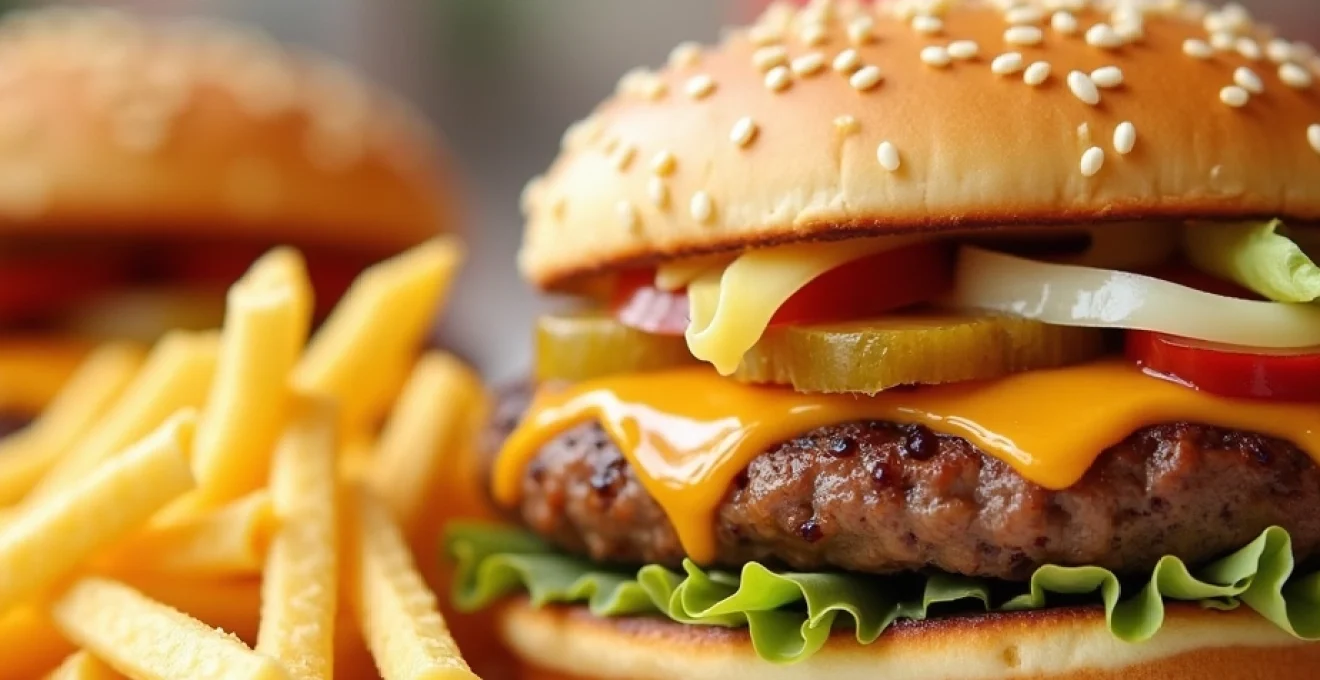
The fast food industry, valued at nearly £1 trillion globally, relies heavily on chemical additives to maintain consistency, extend shelf life, and enhance flavour across millions of servings daily. From preservatives that prevent bacterial growth to artificial colours that make products visually appealing, these chemical compounds have become integral to modern quick-service restaurant operations. Understanding what these substances are and their potential health implications has never been more critical for consumers making informed dietary choices.
Recent studies indicate that the average fast food meal contains dozens of chemical additives, many of which don’t appear on menu boards or nutritional information displays. These compounds serve various functions, from preventing oil rancidity to creating uniform textures, yet their long-term health effects remain a subject of ongoing scientific debate and regulatory scrutiny.
Artificial food additives and preservatives in quick service restaurant chains
The preservation systems employed by major fast food chains represent a complex network of chemical interactions designed to maintain food safety and extend product viability. These antimicrobial and antioxidant compounds work synergistically to combat the natural deterioration processes that would otherwise render mass-produced food items unsafe for consumption within hours rather than days or weeks.
Modern food preservation in quick service environments requires sophisticated chemical solutions that can withstand the industrial scale of production whilst maintaining consistent efficacy across diverse storage conditions. The choice of preservative systems directly impacts not only food safety protocols but also flavour profiles, texture maintenance, and overall consumer acceptance of final products.
Sodium benzoate and potassium sorbate antimicrobial systems
Sodium benzoate, with the chemical formula C₇H₅NaO₂, functions as a broad-spectrum antimicrobial agent particularly effective against yeasts and bacteria in acidic environments. This crystalline compound, derived from benzoic acid neutralisation, appears frequently in carbonated beverages, salad dressings, and pickled products found across major chain restaurants. Its effectiveness increases substantially in pH environments below 4.5, making it ideal for acidic food matrices common in fast food applications.
Potassium sorbate operates through a different mechanism, targeting fungal growth and mould development with remarkable precision. This sorbic acid derivative demonstrates particular effectiveness in baked goods, processed cheeses, and wine-based products. Unlike many preservatives, potassium sorbate remains stable across broader pH ranges, providing flexibility for manufacturers working with diverse product formulations.
The combination of sodium benzoate and potassium sorbate creates a preservation system that addresses multiple pathogenic threats whilst maintaining organoleptic properties essential for consumer acceptance.
Butylated hydroxyanisole (BHA) and butylated hydroxytoluene (BHT) antioxidant applications
BHA and BHT represent phenolic antioxidants that prevent lipid oxidation through free radical scavenging mechanisms. These compounds demonstrate particular importance in fried food applications where oil degradation poses significant quality and safety challenges. The molecular structure of these antioxidants allows them to donate hydrogen atoms to lipid radicals, effectively breaking the chain reaction responsible for rancidity development.
The application of BHA in fast food environments extends beyond simple oil preservation. This compound also protects fat-soluble vitamins and essential fatty acids from oxidative degradation, maintaining nutritional value throughout extended storage periods. However, regulatory bodies in several countries have established strict maximum usage levels due to concerns regarding potential carcinogenic properties observed in animal studies.
Tertiary butylhydroquinone (TBHQ) usage in McDonald’s and KFC fried products
TBHQ represents one of the most controversial yet widely used antioxidants in commercial frying operations. This synthetic phenolic compound demonstrates exceptional thermal stability, making it particularly suitable for high-temperature cooking processes characteristic of chicken nuggets, french fries, and other fried menu items. The maximum allowable concentration of TBHQ in food products stands at 200 parts per million, reflecting both its effectiveness and potential health concerns.
The mechanism by which TBHQ functions involves the interruption of oxidative chain reactions through hydrogen donation to peroxyl radicals. This process effectively extends the usable life of frying oils, reducing waste and maintaining consistent flavour profiles across extended cooking periods. However, studies suggest that TBHQ consumption may impact immune system function and potentially contribute to attention deficit disorders in sensitive individuals.
Calcium propionate mould inhibition in subway and burger king bread products
Calcium propionate serves as a targeted antifungal agent specifically designed to combat mould growth in bread and baked goods. This calcium salt of propionic acid occurs naturally in certain aged cheeses but is synthetically produced for commercial applications. The compound works by interfering with fungal cell membrane integrity, preventing spore germination and mycelial growth that would otherwise compromise product safety and appearance.
The selection of calcium propionate over alternative mould inhibitors reflects its compatibility with yeast-based fermentation processes essential for bread production. Unlike some preservatives that can interfere with rising processes, calcium propionate actually provides supplemental calcium content whilst maintaining dough structure and texture. This dual functionality makes it particularly valuable for high-volume bakery operations supplying sandwich chains and burger restaurants.
Trans fats and hydrogenated oil compounds in fast food preparation
The industrial modification of vegetable oils through hydrogenation processes has fundamentally transformed fast food preparation methods over the past several decades. These chemical alterations create solid fats from liquid oils, providing enhanced shelf stability, consistent melting points, and improved texture characteristics essential for large-scale food production. However, the resulting trans fatty acid compounds have become subjects of intense regulatory scrutiny due to their established links to cardiovascular disease and metabolic disorders.
Understanding the various forms of hydrogenated and modified fats requires appreciation of the underlying chemistry involved in their production. Partial hydrogenation, complete hydrogenation, and newer interesterification processes each create distinct fatty acid profiles with different functional properties and health implications. The industry’s gradual transition away from traditional trans fats has necessitated the development of alternative fat systems that maintain desired cooking and storage characteristics.
Partially hydrogenated soybean oil in pizza hut dough formulations
Partially hydrogenated soybean oil historically provided pizza dough with extended shelf life and consistent handling characteristics essential for standardised preparation across thousands of locations. The partial hydrogenation process converts some unsaturated fatty acids to trans configurations, creating semi-solid fats that remain stable at room temperature whilst melting predictably during baking processes.
The elimination of partially hydrogenated oils from pizza dough formulations has required extensive reformulation efforts involving palm oil blends, high-oleic vegetable oils, and structured fat systems. These alternative approaches aim to replicate the functional benefits of trans fats whilst avoiding the associated cardiovascular health risks that prompted regulatory intervention across multiple countries.
Industrial trans fat content in taco bell refried bean processing
Traditional refried bean preparation often incorporated partially hydrogenated oils to achieve desired consistency and prevent oil separation during extended holding periods. The industrial scale of quick service operations necessitated fat systems that could maintain quality across variable temperature conditions and extended service times without compromising food safety or sensory properties.
Modern reformulations have largely replaced trans fat sources with palm oil fractions and specially designed fat blends that provide similar functional characteristics. These newer systems utilise natural saturation profiles and strategic fat crystallisation to achieve the creamy texture and stability requirements essential for consistent product quality across diverse operational environments.
Interesterified fat alternatives in domino’s pizza cheese blends
Interesterified fats represent a newer category of modified oils created through enzyme-catalysed rearrangement of fatty acid positions within triglyceride molecules. This process creates solid fat characteristics without generating trans fatty acids, offering a potentially healthier alternative to traditional hydrogenation methods. The resulting fat systems demonstrate improved melting profiles and enhanced functionality for cheese blend applications.
The application of interesterified fats in pizza cheese formulations addresses specific challenges related to browning characteristics, stretch properties, and oil release during high-temperature baking. These engineered fat systems provide manufacturers with precise control over melting points and crystallisation behaviour, enabling consistent performance across diverse oven types and cooking conditions.
High oleic sunflower oil implementation across wendy’s menu items
High oleic sunflower oil represents a non-GMO solution for achieving improved oxidative stability without relying on hydrogenated fats or synthetic antioxidants. This specially cultivated oil variety contains elevated levels of monounsaturated oleic acid, naturally providing enhanced resistance to rancidity development and thermal degradation during frying operations.
The transition to high oleic sunflower oil across multiple menu categories demonstrates the industry’s commitment to cleaner label initiatives whilst maintaining operational efficiency. This oil variety supports extended fry life, reduced oil turnover costs, and improved flavour stability compared to conventional polyunsaturated oils that require more frequent replacement and higher antioxidant supplementation.
Flavour enhancement chemicals and monosodium glutamate applications
The science of flavour enhancement in fast food environments relies heavily on compounds that amplify existing taste sensations rather than introducing entirely new flavours. Monosodium glutamate (MSG), with the chemical formula C₅H₈NO₄Na, stands as the most recognisable member of this category, though numerous other glutamate compounds and nucleotide enhancers play equally important roles in creating the distinctive taste profiles associated with popular menu items.
MSG functions by stimulating specific umami receptors on the tongue, creating a savoury sensation that enhances the perception of protein-rich flavours naturally present in meat, cheese, and mushroom-based products. This enhancement effect occurs at remarkably low concentrations, typically ranging from 0.1% to 0.8% by weight, making it both cost-effective and functionally efficient for large-scale food production operations.
The mechanism of flavour enhancement involves the interaction between glutamate molecules and specialised taste receptors that respond to the presence of amino acids associated with protein-rich foods. This biological response triggers increased salivation and heightened flavour perception, contributing to the satisfying qualities that encourage repeat consumption of processed foods containing these additives.
Beyond MSG, the industry employs various nucleotide compounds such as disodium inosinate and disodium guanylate, which work synergistically with glutamate systems to create complex flavour profiles. These compounds occur naturally in aged meats and fermented products but are synthetically produced for commercial applications. The combination of multiple flavour enhancers allows manufacturers to achieve desired taste characteristics whilst using lower quantities of individual compounds.
The strategic application of flavour enhancers enables food manufacturers to create consistent, appealing taste experiences whilst reducing reliance on expensive natural ingredients like aged cheeses or long-cooked broths.
Recent consumer awareness campaigns have prompted some chains to eliminate added MSG from their formulations, though naturally occurring glutamates from ingredients like tomatoes, aged cheeses, and yeast extracts continue to provide similar flavour-enhancing effects. This trend reflects growing demand for cleaner labels whilst maintaining the taste profiles consumers expect from familiar menu items.
Synthetic colouring agents and dye classifications in processed foods
The visual appeal of fast food products depends heavily on synthetic colouring systems that create consistent, attractive appearances across millions of servings produced under varying conditions. These artificial colour additives fall into specific regulatory categories based on their chemical structures and approved usage levels, with each classification carrying distinct functional properties and potential health considerations that influence their application in different food matrices.
Artificial food colours undergo extensive testing protocols to establish acceptable daily intake levels and identify potential adverse reactions in sensitive populations. The regulatory framework governing these compounds varies significantly between countries, with European Union standards generally requiring more stringent safety data and warning labels compared to regulations in other markets.
Yellow 6 (sunset yellow) in kraft macaroni cheese and nacho products
Yellow 6, chemically known as disodium 6-hydroxy-5-[(4-sulfophenyl)azo]-2-naphthalenesulfonate, provides the characteristic orange-yellow colour associated with cheese-flavoured products and certain baked goods. This azo dye demonstrates excellent stability under typical food processing conditions, including pasteurisation temperatures and acidic pH levels common in dairy-based formulations.
The application of Yellow 6 extends beyond simple colour enhancement, as it helps mask natural colour variations in cheese powders and provides visual consistency across different production batches. However, this compound requires warning labels in European Union markets due to potential links to hyperactivity in sensitive children, reflecting ongoing scientific debate regarding artificial colour safety profiles .
Red 40 (allura red) applications in strawberry milkshakes and fruit beverages
Red 40 represents the most widely used artificial red colouring in North American food production, appearing in strawberry-flavoured beverages, cherry pie fillings, and various dessert applications. This synthetic azo dye offers superior colour stability compared to natural alternatives like beetroot extract, maintaining vibrant appearance throughout extended shelf life periods and diverse storage conditions.
The molecular structure of Red 40 allows it to bind effectively with protein matrices found in dairy products, preventing colour bleeding and maintaining uniform distribution throughout frozen dessert applications. Studies examining potential behavioral effects in children have produced mixed results, leading to ongoing research into individual sensitivity variations and optimal usage levels for different age demographics.
Caramel colour IV (Ammonia-Sulphite process) in cola beverages and sauces
Caramel Colour IV, produced through controlled heating of carbohydrates in the presence of ammonia and sulphite compounds, creates the distinctive dark brown colour associated with cola beverages and barbecue sauces. This manufacturing process generates complex chemical compounds including 4-methylimidazole, which has raised regulatory concerns due to potential carcinogenic properties observed in animal studies.
The ammonia-sulphite caramel process produces colouring agents with excellent stability characteristics essential for carbonated beverage applications. Unlike simpler caramel colours, Class IV caramel maintains consistent appearance under acidic conditions and provides resistance to colour changes during thermal processing and extended storage periods. However, California’s Proposition 65 requirements mandate warning labels for products containing significant levels of 4-methylimidazole, influencing reformulation decisions across major beverage manufacturers.
Emulsification systems and texture modification compounds
The creation of stable, appealing textures in fast food products relies extensively on sophisticated emulsification systems that combine water and oil phases into homogeneous mixtures. These chemical compounds serve multiple functions simultaneously, acting as emulsifiers, stabilisers, and texture modifiers to achieve the consistent mouthfeel characteristics consumers expect from standardised menu items across thousands of locations worldwide.
Modern emulsification technology employs both synthetic and naturally-derived compounds, including mono- and diglycerides, lecithin derivatives, and various phosphate-based systems. Each category offers distinct functional properties suited to specific applications, from creating smooth ice cream textures to maintaining sauce stability under warming lamp conditions. The selection of appropriate emulsifier systems requires careful consideration of pH compatibility, thermal stability, and interaction with other food components.
Polyphosphate compounds play crucial roles in processed meat applications, helping retain moisture whilst improving texture and binding characteristics in products like chicken nuggets and formed patties. These compounds work by modifying protein structures and binding water molecules, creating the tender, juicy textures associated with high-quality fast food proteins despite rapid cooking methods and extended holding times.
Texture modification extends beyond simple emulsification to include compounds that create specific mouthfeel sensations valued by consumers. Methylcellulose and other modified starches provide body and thickness to sauces without contributing calories, whilst various gum systems create the stretchy characteristics desired in cheese applications and the smooth consistency expected in milkshake products.
The interaction between different emulsification compounds can produce synergistic effects that enhance overall product quality whilst reducing individual additive levels. For example, combining lecithin with mono-diglycerides often produces superior emulsion stability compared to using either compound independently, allowing formulators to achieve desired functional properties whilst maintaining cleaner ingredient statements.
Advanced emulsification systems enable fast food manufacturers to create complex textures that would be impossible to achieve through traditional cooking methods alone, whilst ensuring consistency across diverse preparation environments.
Regulatory framework and maximum residue limits for fast food chemical additives
The regulatory landscape governing chemical additives in fast food products operates through complex frameworks that vary significantly between jurisdictions, creating challenges for multinational restaurant chains seeking consistent formulations across diverse markets
. whilst ensuring public health protection through evidence-based assessment protocols that evaluate both individual compound safety and potential cumulative exposure effects across diverse dietary patterns.
The establishment of maximum residue limits requires comprehensive toxicological data spanning acute toxicity, chronic exposure studies, and reproductive health assessments conducted across multiple species. These data sets inform the calculation of acceptable daily intake values, typically set at levels 100 to 1000 times lower than no-observed-adverse-effect levels identified in animal studies. The precautionary approach adopted by regulatory agencies reflects the challenges inherent in translating animal study results to human health outcomes across genetically diverse populations.
International harmonisation efforts, including those coordinated through Codex Alimentarius standards, aim to create consistent global approaches to additive regulation whilst respecting national sovereignty over food safety decisions. However, significant disparities remain between regions, with European Union standards generally requiring more extensive safety documentation and post-market surveillance compared to systems operating in other major markets.
The regulatory approval process for new food additives typically requires 5-10 years of comprehensive safety testing, involving multiple phases of evaluation that examine everything from molecular structure analysis to long-term feeding studies. This extensive timeline reflects the complexity of assessing potential health impacts across diverse population groups, including vulnerable segments such as pregnant women, infants, and individuals with compromised immune systems.
Enforcement mechanisms vary considerably between jurisdictions, with some regulatory bodies conducting regular facility inspections and product testing, whilst others rely primarily on industry self-reporting and post-market surveillance systems. The effectiveness of these different approaches continues to generate debate among food safety experts, particularly regarding optimal resource allocation for maximum public health protection.
The challenge facing modern food regulators lies in balancing technological innovation benefits against potential long-term health risks that may only become apparent after decades of widespread consumption.
Recent regulatory trends indicate increasing emphasis on cumulative exposure assessments that consider the total chemical burden from multiple food sources rather than evaluating individual additives in isolation. This systems-based approach recognises that consumers typically encounter multiple chemical compounds simultaneously through diverse dietary choices, potentially creating interaction effects not captured through traditional single-compound testing protocols.
The emergence of clean label consumer demands has prompted regulatory bodies to reconsider approval standards for certain controversial additives, particularly artificial colours linked to behavioural effects in children. This market-driven regulatory evolution demonstrates the complex interplay between consumer preferences, scientific evidence, and regulatory decision-making processes that ultimately determine which chemical compounds remain acceptable for commercial food production.
Future regulatory frameworks will likely incorporate advancing analytical technologies that enable detection of chemical compounds at previously undetectable levels, potentially identifying new areas of concern whilst providing more precise exposure assessment capabilities. These technological improvements may necessitate reassessment of existing safety standards and acceptable intake levels for compounds currently considered safe based on older analytical limitations.
The integration of artificial intelligence and machine learning technologies into regulatory assessment processes represents an emerging frontier that could accelerate safety evaluations whilst improving prediction accuracy for potential health effects. However, the implementation of these advanced systems requires careful validation against established testing protocols to ensure regulatory decisions maintain scientific rigour and public trust.
Understanding the chemical complexity of modern fast food products empowers consumers to make informed dietary decisions based on individual health priorities and risk tolerance levels. While regulatory systems provide important safety safeguards, personal awareness of additive functions and potential health implications enables more nuanced food choices that align with individual wellness goals and dietary preferences. The ongoing evolution of both food technology and regulatory science ensures that discussions surrounding fast food chemical additives will continue to evolve as new research emerges and consumer expectations shift toward greater transparency and health consciousness.