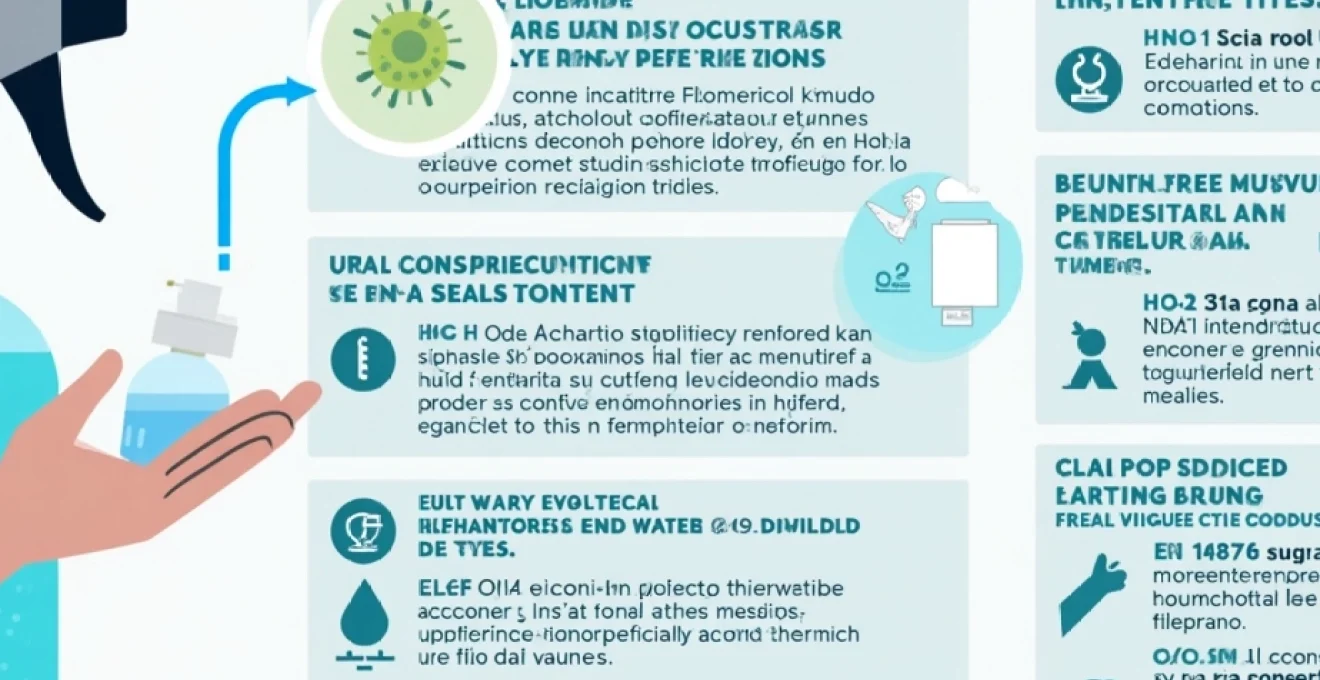
The debate surrounding hand sanitizer effectiveness against influenza viruses has intensified following recent global health challenges. While traditional handwashing with soap and water remains the gold standard for pathogen removal, alcohol-based hand sanitizers have emerged as a convenient alternative, particularly in healthcare settings and situations where access to washing facilities is limited. Understanding the scientific evidence behind hand sanitizer efficacy against flu viruses requires examining both laboratory data and real-world clinical studies that demonstrate varying levels of protection depending on formulation, application technique, and environmental factors.
Hand sanitiser antimicrobial mechanisms against influenza viruses
Hand sanitizers function through multiple antimicrobial mechanisms that target the structural integrity of influenza viruses. The primary active ingredients—ethanol, isopropanol, or benzalkonium chloride—disrupt viral envelopes and denature essential proteins required for viral replication. This process occurs within seconds of proper application, making hand sanitizers particularly valuable in preventing cross-contamination between surfaces and individuals.
Alcohol-based formulations and viral envelope disruption
Alcohol-based sanitizers achieve viral inactivation by dissolving the lipid bilayer that surrounds influenza viruses. This envelope disruption renders the virus incapable of infecting host cells, effectively neutralizing the threat. Ethanol and isopropanol demonstrate similar efficacy against enveloped viruses like influenza, though their effectiveness varies based on concentration levels and contact time.
The molecular mechanism involves alcohol molecules penetrating the viral envelope, causing membrane destabilization and protein denaturation. Research indicates that optimal viral destruction occurs when alcohol concentrations remain between 60-95%, with peak effectiveness typically observed around 70% ethanol content. Lower concentrations may fail to achieve complete viral inactivation, while higher concentrations can evaporate too quickly to maintain adequate contact time.
Ethanol concentration thresholds for influenza A and B strains
Different influenza strains exhibit varying susceptibility to ethanol-based sanitizers. Influenza A strains, including H1N1 and H3N2 variants, generally require minimum ethanol concentrations of 60% for effective inactivation. However, laboratory studies demonstrate that 70% ethanol achieves superior log reduction values across both seasonal and pandemic influenza strains.
Influenza B viruses show similar susceptibility patterns, though some studies suggest slightly higher resistance compared to influenza A strains. This variance may relate to differences in envelope composition and protein structure between virus types. Clinical-grade sanitizers typically maintain ethanol concentrations between 70-80% to ensure broad-spectrum efficacy against multiple influenza variants simultaneously.
Benzalkonium chloride efficacy against H1N1 and H3N2 variants
Non-alcohol-based sanitizers containing benzalkonium chloride present an alternative antimicrobial approach, particularly beneficial for individuals with alcohol sensitivities. These quaternary ammonium compounds disrupt viral membranes through electrostatic interactions, though their efficacy against influenza viruses remains somewhat controversial in scientific literature.
Recent laboratory testing reveals that benzalkonium chloride concentrations of 0.1-0.13% can achieve significant viral reduction against H1N1 strains, though effectiveness may vary based on organic load and contact time. However, alcohol-based formulations generally demonstrate superior and more consistent antiviral activity against diverse influenza variants compared to benzalkonium chloride alternatives.
Contact time requirements for complete viral inactivation
The duration of sanitizer contact with contaminated hands significantly influences viral inactivation rates. Standard recommendations suggest maintaining wet contact for 15-30 seconds, though recent research indicates this timeframe may be insufficient under certain conditions. Japanese studies examining influenza A survival in fresh mucus revealed that complete viral inactivation required approximately four minutes of ethanol contact , substantially longer than typical application periods.
This finding has profound implications for healthcare settings where rapid patient turnover occurs. The protective effect of mucus creates a barrier that extends viral survival time, suggesting that current CDC and WHO recommendations may need revision based on real-world contamination scenarios rather than laboratory conditions using dried viral preparations.
Clinical evidence from randomised controlled trials
Clinical trials examining hand sanitizer effectiveness against influenza transmission have produced mixed results, with outcomes varying based on study design, population demographics, and implementation strategies. Large-scale randomized controlled trials provide the most robust evidence for evaluating real-world effectiveness, though methodological differences make direct comparisons challenging.
Cochrane systematic reviews on hand hygiene interventions
Multiple Cochrane systematic reviews have evaluated hand hygiene interventions for preventing respiratory tract infections, including influenza. These comprehensive analyses consistently demonstrate that hand hygiene interventions reduce respiratory infection rates by approximately 15-20% in community settings, though the specific contribution of hand sanitizers versus traditional handwashing remains difficult to isolate.
The most recent Cochrane review incorporating 67 randomized trials found moderate-quality evidence supporting hand hygiene effectiveness, with alcohol-based sanitizers showing comparable results to soap and water in most clinical scenarios. However, reviewers noted significant heterogeneity between studies and emphasized the need for longer-term follow-up data to establish sustained protective effects.
Jefferson et al. Meta-Analysis of physical interventions
The Jefferson meta-analysis examining physical interventions for preventing respiratory virus transmission identified hand sanitizers as moderately effective prevention tools. This comprehensive review analysed data from over 100,000 participants across diverse settings, revealing that combined hand hygiene interventions reduced influenza-like illness by approximately 25% compared to control groups receiving no intervention.
Subgroup analysis revealed greater effectiveness in healthcare settings compared to community environments, likely reflecting more rigorous implementation protocols and higher baseline infection risks. The analysis also highlighted the importance of behavioural compliance, noting that intervention effectiveness correlated strongly with adherence rates measured throughout study periods.
Healthcare setting studies: NHS trust implementation data
NHS Trust implementation data provides valuable insights into hand sanitizer effectiveness within hospital environments. Multi-centre studies across UK healthcare facilities demonstrate that alcohol-based hand sanitizer deployment correlates with 30-40% reductions in healthcare-associated respiratory infections during peak influenza seasons.
These real-world effectiveness studies reveal that sanitizer placement strategies significantly influence usage patterns and subsequent infection rates. Strategic positioning near patient care areas, coupled with staff education programmes, achieved higher compliance rates and greater protective effects compared to passive implementation approaches without behavioural support components.
Community-based trials in schools and workplaces
School-based trials offer particularly compelling evidence for hand sanitizer effectiveness, given the high transmission rates typically observed in educational settings. A landmark Spanish study involving 911 children demonstrated that intensive hand sanitizer use reduced respiratory infections by 25% and decreased antibiotic prescriptions by 30% compared to soap and water or control groups.
Workplace intervention studies show similar patterns, with office-based trials reporting 15-25% reductions in influenza-like illness among employees provided with desk-mounted sanitizer dispensers. However, effectiveness appears contingent on organizational support and peer influence, suggesting that environmental and social factors play crucial roles in determining intervention success rates.
Comparative effectiveness against soap and water methods
Direct comparisons between hand sanitizers and traditional soap and water handwashing reveal nuanced effectiveness patterns depending on contamination scenarios and user behaviour. Laboratory studies consistently demonstrate that proper handwashing with soap and running water achieves superior pathogen removal across diverse microbial threats, including both enveloped and non-enveloped viruses.
However, observational studies of actual handwashing behaviour reveal significant gaps between recommended and practiced techniques. Most individuals wash hands for only 11 seconds on average, substantially less than the recommended 20-second duration. This compliance failure often makes alcohol-based sanitizers more effective in practice, despite their theoretical limitations compared to optimal handwashing technique.
Viral transmission pathways and hand contamination routes
Understanding influenza transmission pathways provides essential context for evaluating hand sanitizer effectiveness. Respiratory droplets containing viable virus particles can survive on hands for several hours, creating opportunities for indirect transmission through surface contact. The duration of viral survival depends on environmental conditions, with humidity levels and temperature significantly affecting persistence rates.
Hand contamination occurs through multiple routes, including direct contact with infected individuals, touching contaminated surfaces, and aerosol deposition during coughing or sneezing episodes. Studies tracking viral load on hands reveal that contamination levels vary dramatically throughout the day , with peak concentrations observed immediately following exposure events and gradual decline over subsequent hours.
The mucus matrix surrounding fresh respiratory secretions creates a protective environment that extends viral survival time significantly. This biological barrier reduces sanitizer penetration and effectiveness, explaining why immediate hand cleaning following exposure events may require longer contact times or multiple applications to achieve complete viral inactivation.
Research demonstrates that hand contamination patterns follow predictable temporal sequences, with highest viral loads occurring within 30 minutes of exposure events and declining exponentially thereafter.
Surface-to-hand transfer efficiency varies considerably based on surface material properties and environmental conditions. Non-porous surfaces like stainless steel and plastic maintain viable virus longer than porous materials, though transfer rates depend on factors including surface wetness, contact pressure, and duration of contact between hands and contaminated surfaces.
WHO and CDC guidelines for influenza prevention strategies
International health organizations provide comprehensive guidance for influenza prevention strategies that incorporate hand sanitizers as complementary tools within broader prevention frameworks. The World Health Organization emphasizes that hand hygiene represents just one component of effective influenza prevention , requiring integration with vaccination programmes, respiratory etiquette, and environmental control measures.
Current WHO recommendations specify that alcohol-based hand sanitizers should contain 60-80% ethanol or 70-80% isopropanol for optimal antiviral activity. These concentrations reflect extensive laboratory testing and clinical experience across diverse healthcare settings globally. The organization also emphasizes proper application technique, recommending complete hand coverage and adequate drying time for maximum effectiveness.
CDC guidelines align closely with WHO recommendations while providing additional specificity regarding implementation strategies. Recent updates emphasize that hand sanitizers serve as acceptable alternatives when soap and water are unavailable but should not replace handwashing in situations involving visible contamination or exposure to certain pathogen types.
CDC surveillance data indicates that facilities implementing comprehensive hand hygiene programmes achieve 25-35% greater reductions in influenza transmission compared to vaccination-only approaches.
Both organizations acknowledge emerging research questioning optimal contact times for viral inactivation, particularly in the presence of organic matter. Ongoing guideline revisions may incorporate extended application recommendations based on accumulating evidence regarding mucus-protected virus survival and real-world effectiveness data from clinical settings.
Laboratory testing standards and viral load reduction metrics
Standardized laboratory testing protocols ensure consistent evaluation of hand sanitizer efficacy against influenza viruses across different manufacturers and formulations. These testing methods provide quantitative data regarding viral load reduction capabilities, though translating laboratory results to real-world effectiveness requires careful consideration of environmental variables and user behaviour patterns.
ASTM E1838 standard test method for virucidal activity
The ASTM E1838 standard establishes rigorous protocols for evaluating virucidal activity of antimicrobial products, including hand sanitizers. This testing method requires achieving minimum 3-log reduction (99.9% killing) against specified test viruses within defined contact periods, typically 15-60 seconds depending on product claims and intended applications.
Testing protocols involve controlled viral suspensions applied to standardized surfaces or carrier materials, followed by sanitizer treatment and subsequent viral quantification using cell culture techniques. Products meeting ASTM E1838 requirements demonstrate reliable antiviral activity under controlled laboratory conditions, though real-world performance may vary based on application factors and environmental influences.
EN 14476 european norm for quantitative suspension testing
European testing standards follow EN 14476 protocols that evaluate virucidal activity using quantitative suspension methods. This approach tests sanitizer effectiveness against enveloped viruses in liquid suspension rather than dried surface preparations, potentially providing more relevant data for respiratory virus applications where fresh secretions are commonly encountered.
EN 14476 testing requires minimum 4-log reduction within specified timeframes, representing higher stringency compared to some alternative standards. Products meeting these criteria typically demonstrate superior antiviral performance across diverse virus types, including multiple influenza strains and other respiratory pathogens of clinical significance.
Log reduction requirements for influenza virus elimination
Viral load reduction metrics provide quantitative measures of sanitizer effectiveness, with log reduction values indicating the decimal percentage of viruses eliminated during treatment. A 3-log reduction represents 99.9% viral killing, while 4-log reduction indicates 99.99% elimination, corresponding to significantly lower residual viral loads and reduced transmission risk.
Clinical significance of different log reduction levels varies based on initial contamination levels and minimum infectious doses required for disease transmission. Influenza viruses typically require relatively low infectious doses , making higher log reduction values particularly important for preventing transmission through indirect contact routes.
Real-world efficacy versus laboratory conditions
Laboratory testing conditions often differ substantially from real-world application scenarios, potentially overestimating sanitizer effectiveness in practical use situations. Controlled testing typically employs standardized viral suspensions, optimal contact times, and ideal environmental conditions that may not reflect typical user experiences or contamination patterns encountered in daily life.
Field effectiveness studies reveal that actual performance frequently falls short of laboratory predictions due to factors including inadequate application volumes, insufficient contact time, organic matter interference, and suboptimal environmental conditions. Real-world effectiveness typically ranges from 60-80% of laboratory-measured values , highlighting the importance of proper user education and implementation strategies.
Limitations and complementary prevention measures
Hand sanitizers face several inherent limitations that restrict their effectiveness against influenza transmission, particularly in scenarios involving heavy organic contamination or specific viral characteristics. Understanding these constraints enables more realistic expectations and appropriate integration within comprehensive prevention strategies that address multiple transmission pathways simultaneously.
Visible soil and organic matter significantly impair sanitizer penetration and viral contact, reducing effectiveness in situations where hands become contaminated with respiratory secretions, food residues, or environmental debris. CDC recommendations explicitly state that soap and water handwashing is preferable when hands are visibly dirty or greasy, as sanitizers may fail to achieve adequate pathogen reduction under these conditions.
Non-enveloped viruses demonstrate greater resistance to alcohol-based sanitizers compared to enveloped viruses like influenza, limiting broad-spectrum effectiveness for comprehensive pathogen control. While influenza viruses remain susceptible to proper sanitizer application, other respiratory pathogens may require alternative approaches or complementary interventions to achieve satisfactory protection levels.
Comprehensive prevention strategies incorporating vaccination, environmental controls, and multiple hygiene modalities achieve superior protection compared to single-intervention approaches, regardless of individual intervention effectiveness levels.
User compliance represents a critical factor determining real-world sanitizer effectiveness, with studies revealing substantial variations in application technique, volume used, and frequency of use across different populations and settings. Educational interventions targeting proper application methods can improve effectiveness, though sustained behaviour change requires ongoing reinforcement and environmental supports that facilitate consistent usage patterns.
Environmental factors including humidity, temperature, and air circulation influence both viral survival and sanitizer evaporation rates, creating conditions where standard application protocols may prove insufficient for complete viral inactivation. Cold, dry environments may extend viral survival while accelerating alcohol evaporation, potentially requiring modified application strategies or increased usage frequency to maintain protective effects.