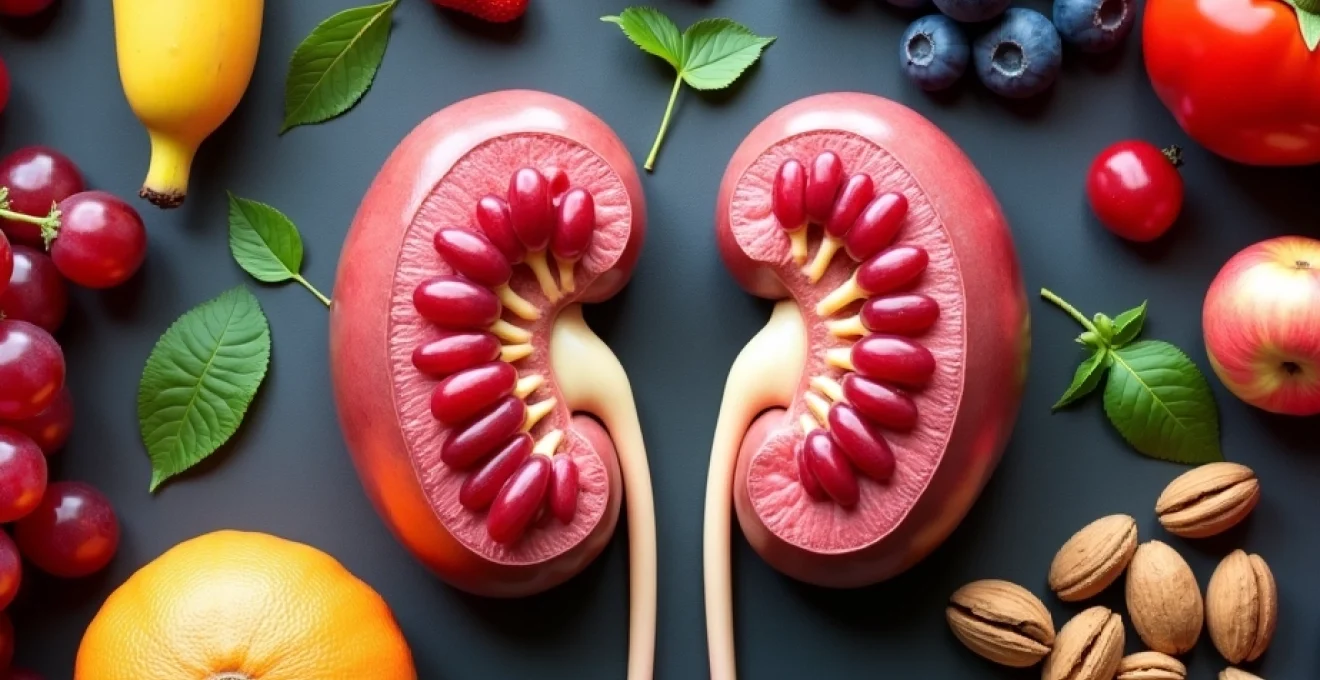
Kidney health represents one of the most crucial aspects of overall wellbeing, yet it often receives insufficient attention until complications arise. Your kidneys work tirelessly, filtering approximately 180 litres of blood daily while maintaining delicate electrolyte balances and removing metabolic waste products. When kidney function begins to decline, the consequences can be far-reaching, affecting cardiovascular health, bone density, and overall quality of life. Fortunately, mounting scientific evidence demonstrates that specific dietary choices can significantly support renal function and potentially slow the progression of chronic kidney disease. Understanding which foods provide optimal kidney support empowers you to make informed nutritional decisions that benefit both your renal health and general wellbeing.
Antioxidant-rich fruits for renal protection and glomerular filtration rate enhancement
The kidneys face constant oxidative stress from their role in filtering metabolic waste products, making antioxidant protection essential for maintaining optimal renal function. Research consistently demonstrates that fruits rich in specific antioxidant compounds can enhance glomerular filtration rates while protecting nephrons from inflammatory damage. These protective effects become particularly important as you age or face increased risk factors for kidney disease.
Cranberries and proanthocyanidins for urinary tract defence
Cranberries contain unique A-type proanthocyanidins that provide exceptional protection for the entire urinary system. These compounds prevent harmful bacteria from adhering to urinary tract walls, reducing infection risk that could potentially lead to kidney complications. Studies indicate that consuming 36 grams of cranberry juice daily can reduce urinary tract infections by up to 38% in susceptible individuals.
The anti-inflammatory properties of cranberries extend beyond infection prevention, with research showing significant reductions in markers of oxidative stress within renal tissue. Fresh cranberries provide the highest concentration of beneficial compounds, though unsweetened cranberry juice offers a practical alternative for daily consumption.
Blueberries and anthocyanins in diabetic nephropathy prevention
Blueberries rank among the most potent sources of anthocyanins, compounds that specifically target the microvascular damage characteristic of diabetic nephropathy. Clinical trials reveal that consuming 150 grams of blueberries three times weekly can improve kidney function markers in individuals with early-stage diabetes complications.
The anthocyanin content in blueberries helps stabilise blood glucose levels while protecting glomerular capillaries from hyperglycaemic damage. Wild blueberries typically contain 25% higher anthocyanin concentrations compared to cultivated varieties, making them particularly valuable for kidney protection protocols.
Red grapes and resveratrol for chronic kidney disease management
Red grapes provide resveratrol, a polyphenolic compound that demonstrates remarkable nephroprotective properties in both laboratory and clinical studies. Resveratrol activates sirtuins, proteins that enhance cellular repair mechanisms within kidney tissue while reducing inflammatory cytokine production.
Regular consumption of red grapes has been associated with improved creatinine clearance rates and reduced proteinuria in individuals with mild to moderate chronic kidney disease. The skin of red grapes contains the highest resveratrol concentrations, emphasising the importance of consuming whole grapes rather than processed grape products.
Pomegranates and punicalagins in oxidative stress reduction
Pomegranates contain punicalagins, ellagitannins that provide three times the antioxidant capacity of green tea. These compounds specifically target renal oxidative stress, helping preserve glomerular basement membrane integrity and maintaining optimal filtration capacity.
Research demonstrates that pomegranate juice consumption can reduce inflammatory markers associated with kidney disease progression by up to 32%. The fruit’s unique combination of anthocyanins, ellagic acid, and punicalagins creates synergistic effects that surpass the protective benefits of individual compounds alone.
Omega-3 fatty acids and Anti-Inflammatory foods for nephron preservation
Chronic inflammation represents a primary driver of kidney disease progression, making anti-inflammatory nutrition strategies essential for nephron preservation. Omega-3 fatty acids demonstrate remarkable efficacy in reducing systemic inflammation while specifically protecting renal tissue from inflammatory damage. The key lies in understanding which sources provide optimal bioavailability and therapeutic ratios of these essential fatty acids.
Wild-caught salmon and EPA-DHA ratios for proteinuria reduction
Wild-caught salmon provides an ideal EPA to DHA ratio of approximately 1.5:1, which research suggests offers optimal anti-inflammatory benefits for kidney health. Clinical studies demonstrate that consuming 150 grams of wild salmon twice weekly can reduce proteinuria by up to 25% in individuals with early-stage chronic kidney disease.
The superior omega-3 profile of wild salmon stems from its natural diet of algae and smaller fish, resulting in higher concentrations of bioactive fatty acids compared to farm-raised alternatives. These omega-3 fatty acids specifically target glomerular inflammation , helping preserve filtration capacity and reducing the progression of kidney disease.
Mackerel and sardines in systemic inflammation control
Mackerel and sardines contain exceptionally high concentrations of EPA and DHA while providing minimal mercury exposure, making them ideal choices for regular kidney-supporting nutrition. Studies indicate that consuming these fatty fish three times weekly can reduce C-reactive protein levels by up to 30%, indicating significant systemic anti-inflammatory effects.
The small size and short lifespan of sardines result in minimal heavy metal accumulation, addressing concerns about mercury toxicity that could potentially harm kidney function. Mackerel provides the highest omega-3 content per serving among commonly available fish species, with 100 grams delivering approximately 2.5 grams of combined EPA and DHA.
Flaxseeds and Alpha-Linolenic acid for renal fibrosis prevention
Ground flaxseeds represent the richest plant-based source of alpha-linolenic acid (ALA), an omega-3 fatty acid that your body converts to EPA and DHA, albeit at limited efficiency rates of approximately 5-10%. However, ALA demonstrates direct anti-fibrotic properties within kidney tissue, helping prevent the scarring that characterises progressive kidney disease.
Research reveals that consuming 30 grams of ground flaxseed daily can significantly reduce markers of renal fibrosis while improving overall kidney function parameters. The lignans present in flaxseeds provide additional antioxidant protection, creating synergistic effects that enhance the omega-3 benefits for kidney health.
Walnuts and polyunsaturated fatty acids in blood pressure regulation
Walnuts uniquely combine high ALA content with arginine, an amino acid that supports nitric oxide production and healthy blood pressure regulation. This combination proves particularly beneficial for kidney health, as hypertension represents one of the leading causes of chronic kidney disease progression.
Clinical trials demonstrate that incorporating 28 grams of walnuts into daily nutrition can reduce systolic blood pressure by an average of 3-5 mmHg, providing meaningful protection for renal blood vessels. The polyunsaturated fatty acid profile of walnuts specifically supports endothelial function , helping maintain optimal blood flow to kidney tissue and preserving filtration capacity over time.
Potassium-controlled vegetables for electrolyte balance in CKD stages
Managing potassium intake becomes increasingly critical as chronic kidney disease progresses, requiring careful selection of vegetables that provide essential nutrients without overwhelming compromised renal function. Understanding which vegetables offer optimal nutritional value while maintaining appropriate potassium levels enables you to create balanced meal plans that support kidney health throughout different stages of CKD.
Cauliflower emerges as an exceptional choice, providing substantial vitamin C, folate, and fibre whilst containing only 88 milligrams of potassium per half-cup serving. This versatile vegetable can replace higher-potassium alternatives like potatoes in many recipes, offering similar texture and satisfaction without the electrolyte burden. Bell peppers, particularly red varieties, deliver powerful antioxidant protection through vitamin C and carotenoids while maintaining relatively low potassium content at approximately 213 milligrams per medium pepper.
Cabbage family vegetables, including white, green, and red varieties, provide exceptional nutritional value for individuals managing kidney disease. These cruciferous vegetables contain potent sulphur compounds that support detoxification pathways while delivering vitamin K, vitamin C, and beneficial plant compounds. A cup of shredded cabbage contains merely 119 milligrams of potassium, making it an ideal foundation for kidney-friendly salads and cooked dishes.
Radishes and turnips represent excellent alternatives to higher-potassium root vegetables, offering satisfying texture and flavour profiles while maintaining appropriate electrolyte levels. Turnips can effectively replace potatoes in many traditional recipes, providing similar cooking properties with significantly lower potassium content. These root vegetables also provide natural diuretic properties that can support healthy fluid balance without overwhelming kidney function.
Preparation methods significantly impact the potassium content of vegetables, with specific techniques helping reduce potassium levels in otherwise moderate to high-potassium vegetables. Double-boiling techniques, where vegetables are boiled in large quantities of water and the cooking liquid discarded, can reduce potassium content by 30-50%. However, this method also removes water-soluble vitamins, necessitating careful nutritional planning to prevent deficiencies.
Understanding portion control becomes crucial when incorporating vegetables into a kidney-supportive diet, as even lower-potassium vegetables can contribute significant electrolyte loads when consumed in large quantities.
Low-phosphorus protein sources and phosphate binder alternatives
Phosphorus management represents one of the most challenging aspects of kidney-supportive nutrition, particularly as kidney function declines and phosphorus clearance becomes impaired. Excessive phosphorus accumulation can lead to bone disease, cardiovascular complications, and accelerated kidney damage, making careful protein source selection essential for long-term renal health.
Egg whites provide an exceptional protein source for individuals managing phosphorus restrictions, delivering high-quality complete protein with minimal phosphorus content. Two large egg whites provide approximately 7 grams of protein whilst containing only 10 milligrams of phosphorus, creating an ideal protein-to-phosphorus ratio for kidney health maintenance. This makes egg whites particularly valuable for individuals requiring higher protein intake whilst managing phosphorus restrictions.
Fresh fish and poultry offer superior phosphorus profiles compared to processed meats, which often contain phosphate additives that significantly increase phosphorus bioavailability. Wild-caught fish typically contains 150-250 milligrams of phosphorus per 100-gram serving, with excellent protein quality and beneficial omega-3 fatty acids. Choosing fresh, unprocessed protein sources becomes crucial for managing phosphorus intake whilst maintaining adequate protein nutrition.
Plant-based proteins present unique advantages for phosphorus management, as plant-bound phosphorus demonstrates significantly lower bioavailability compared to animal-derived phosphorus. Legumes, whilst containing moderate phosphorus levels, provide only 20-40% bioavailable phosphorus compared to the 60-70% absorption rate of animal proteins. This characteristic makes plant proteins valuable components of kidney-supportive nutrition plans, particularly when combined with appropriate preparation methods.
Tofu and tempeh represent particularly beneficial plant protein sources, providing complete amino acid profiles whilst maintaining moderate phosphorus levels with limited bioavailability. These soy-based proteins can effectively replace higher-phosphorus animal proteins in many recipes, offering versatility and nutritional value for kidney health maintenance.
Understanding food labelling becomes essential for identifying hidden phosphate additives, which appear in many processed foods under various chemical names. Common phosphate additives include sodium phosphate, calcium phosphate, and potassium phosphate, all of which demonstrate nearly 100% bioavailability and can significantly impact phosphorus balance. Reading ingredient lists carefully and choosing minimally processed foods helps avoid these problematic additives whilst maintaining nutritional variety.
Natural phosphorus absorption rarely exceeds 70%, whilst phosphate additives demonstrate near-complete absorption, making additive avoidance crucial for phosphorus management in kidney disease.
Hydration-supporting foods and natural diuretics for kidney stone prevention
Adequate hydration represents the foundation of kidney stone prevention, yet many individuals struggle to maintain optimal fluid intake through water consumption alone. Incorporating hydration-supporting foods and natural diuretic compounds can significantly enhance fluid balance whilst providing additional nutrients that specifically support kidney stone prevention mechanisms.
Watermelon provides exceptional hydration support, containing approximately 91% water along with natural citrate compounds that inhibit calcium oxalate crystal formation. The fruit’s high water content contributes meaningfully to daily fluid intake whilst providing potassium and lycopene for additional kidney protection. Consuming 200 grams of watermelon provides approximately 180 millilitres of water along with beneficial electrolytes and antioxidants.
Cucumber offers similar hydration benefits with even lower calorie content, making it ideal for individuals managing weight whilst supporting kidney health. The vegetable’s natural diuretic properties help promote healthy urine flow whilst providing silica compounds that support kidney tissue health. Fresh cucumber contains approximately 96% water, making it one of the most hydrating foods available for kidney stone prevention.
Citrus fruits provide dual benefits for kidney stone prevention through both hydration support and citrate content, which specifically inhibits stone formation. Lemons and limes contain the highest citrate concentrations, with fresh lemon juice providing approximately 5.9 grams of citrate per 100 millilitres. Regular citrus consumption can increase urinary citrate levels by up to 40% , providing significant protection against calcium-based kidney stones.
Herbal teas offer excellent hydration whilst providing specific compounds that support kidney function and stone prevention. Nettle tea demonstrates mild diuretic properties whilst providing minerals that support overall kidney health. Dandelion tea contains potassium compounds that can help balance sodium levels whilst promoting healthy urine production. These herbal options provide flavour variety that can help maintain consistent hydration habits.
Celery provides natural sodium compounds along with high water content, creating a balance that supports healthy fluid regulation without overwhelming kidney function. The vegetable’s natural diuretic properties help promote toxin elimination whilst providing beneficial plant compounds that support overall renal health. Incorporating celery into regular nutrition through soups, salads, and snacks can meaningfully contribute to hydration goals whilst providing kidney-supportive nutrients.
Mediterranean diet components and DASH protocol integration for renal health
The convergence of Mediterranean and DASH (Dietary Approaches to Stop Hypertension) dietary principles creates an optimal framework for comprehensive kidney health support, addressing multiple risk factors including hypertension, inflammation, and oxidative stress simultaneously. This integrated approach has demonstrated remarkable efficacy in both preventing kidney disease and slowing progression in individuals with existing renal complications.
Extra virgin olive oil represents a cornerstone of kidney-protective nutrition, providing monounsaturated fats that reduce systemic inflammation whilst supporting cardiovascular health. Research demonstrates that replacing saturated fats with olive oil can reduce markers of kidney damage by up to 20% whilst improving blood pressure control. The polyphenol compounds in high-quality olive oil provide additional antioxidant protection specifically beneficial for renal tissue preservation.
Whole grains within the Mediterranean-DASH framework provide sustained energy release whilst avoiding the blood sugar spikes that can damage kidney microvasculature over time. Quinoa emerges as particularly beneficial, providing complete protein along with magnesium and fibre whilst maintaining moderate potassium levels appropriate for most stages of kidney disease. Brown rice and steel-cut oats offer additional whole grain options that support stable blood glucose levels whilst providing kidney-protective nutrients.
The herb and spice emphasis within Mediterranean cuisine provides exceptional kidney benefits through concentrated antioxidant compounds and natural flavour enhancement that reduces reliance on harmful sodium additions. Turmeric contains curcumin compounds that specifically target kidney inflammation, whilst garlic provides sulphur compounds that support detoxification pathways. Fresh herbs like parsley, basil, and oregano contribute meaningful antioxidant protection whilst enhancing meal satisfaction and adherence to kidney-protective nutrition patterns.
Nuts and seeds within this integrated approach provide essential fatty acids and plant proteins whilst requiring careful portion control for individuals managing potassium or phosphorus restrictions. Almonds and pistachios, consumed in 28-gram portions, provide beneficial fats and protein whilst maintaining appropriate mineral levels for most kidney health situations. The key lies in understanding individual tolerance levels and adjusting portions accordingly whilst maintaining the overall dietary pattern benefits.
The Mediterranean-DASH integration demonstrates superior outcomes for kidney health compared to either approach alone, with studies showing up to 35% reduction in kidney disease progression risk when following combined principles.
Practical implementation of this integrated approach requires understanding seasonal availability and preparation methods that maximise nutrient retention whilst minimising harmful
additives that could compromise kidney health. Choosing organic produce when possible helps minimise pesticide exposure whilst supporting optimal nutrient density. Meal preparation techniques such as batch cooking Mediterranean-inspired dishes with DASH-compliant sodium levels can facilitate consistent adherence to this powerful kidney-protective eating pattern.
Weekly meal planning becomes essential for successful implementation, incorporating seasonal vegetables, lean proteins, and healthy fats in appropriate proportions for individual kidney function levels. This systematic approach ensures nutritional adequacy whilst maintaining the flexibility necessary for long-term dietary adherence and optimal kidney health outcomes.