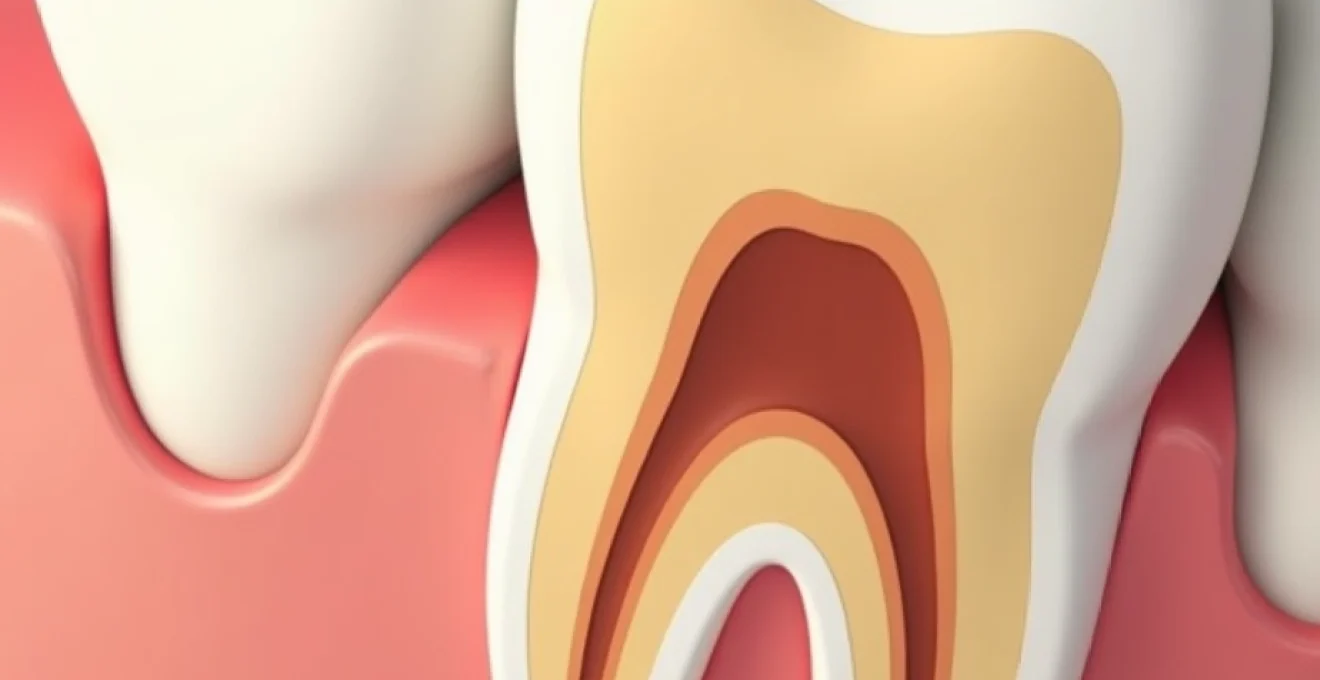
Wisdom tooth pain can transform simple activities like eating and speaking into uncomfortable ordeals. As these third molars attempt to emerge through the gums, typically between ages 17 and 25, they often encounter insufficient space in modern human jaws, leading to impaction and subsequent discomfort. The pain associated with wisdom tooth eruption affects approximately 70% of individuals, making effective pain management strategies essential while awaiting professional dental intervention. Natural remedies offer accessible, evidence-based solutions for managing acute wisdom tooth discomfort, providing relief through anti-inflammatory, antimicrobial, and analgesic properties found in common household items and herbal preparations.
Understanding wisdom tooth eruption and associated pain mechanisms
The emergence of wisdom teeth represents one of the most challenging dental processes in human development. These third molars begin forming around age seven but remain dormant until late adolescence or early adulthood. During eruption, the tooth must penetrate through dense gum tissue and potentially navigate around existing teeth, creating mechanical pressure that triggers inflammatory responses in surrounding tissues.
Impaction occurs when insufficient jaw space prevents normal eruption patterns, forcing wisdom teeth to emerge at awkward angles or remain partially buried beneath gum tissue. This condition, medically termed pericoronitis , creates an ideal environment for bacterial accumulation. The partially exposed tooth crown becomes trapped under a flap of gum tissue called an operculum, which acts as a bacterial reservoir and contributes to persistent inflammation.
The pain experienced during wisdom tooth eruption stems from multiple physiological mechanisms. Prostaglandins, inflammatory mediators released during tissue trauma, sensitise nerve endings and increase blood flow to the affected area. Simultaneously, mechanical pressure from the erupting tooth compresses surrounding nerves, creating sharp, throbbing sensations that can radiate to the ear, jaw, and neighbouring teeth. Understanding these pain pathways helps explain why certain natural remedies prove particularly effective in managing wisdom tooth discomfort.
Evidence-based natural Anti-Inflammatory remedies for pericoronitis relief
Natural anti-inflammatory compounds offer significant therapeutic benefits for managing wisdom tooth pain by targeting the underlying inflammatory processes. These remedies work through various mechanisms, including cyclooxygenase inhibition, free radical scavenging, and direct tissue cooling effects that provide both immediate relief and support for the healing process.
Clove oil eugenol application: dosage and direct contact methods
Clove oil contains eugenol, a phenolic compound with potent analgesic and antimicrobial properties that have been used in dental applications for centuries. Research demonstrates that eugenol effectively blocks sodium channels in nerve fibres, providing localised anaesthesia comparable to synthetic topical anaesthetics. The compound also exhibits significant antibacterial activity against common oral pathogens, including Streptococcus mutans and Porphyromonas gingivalis.
For direct application, dilute pure clove essential oil with a carrier oil such as coconut or olive oil at a ratio of 1:4 to prevent tissue irritation. Apply the diluted solution using a cotton swab directly to the affected gum tissue, holding it in place for 60-90 seconds before removing. Alternatively, place a whole clove directly on the painful area and bite down gently without chewing, allowing natural oils to release gradually over 5-10 minutes.
Turmeric curcumin paste: preparation ratios and topical application techniques
Turmeric contains curcumin, a powerful anti-inflammatory compound that inhibits nuclear factor-kappa B (NF-κB), a key regulator of inflammatory gene expression. Studies indicate that curcumin’s anti-inflammatory effects rival those of conventional non-steroidal anti-inflammatory drugs (NSAIDs) while offering additional antimicrobial benefits against oral bacteria.
Create an effective turmeric paste by combining one teaspoon of ground turmeric with half a teaspoon of salt and sufficient mustard oil or coconut oil to form a thick paste. The salt provides additional antimicrobial properties whilst the oil enhances curcumin absorption. Apply the paste directly to the affected gum area using clean fingers or a cotton swab, leaving it in place for 10-15 minutes before rinsing with warm water. Repeat this application 2-3 times daily for optimal anti-inflammatory effects.
Cold compress cryotherapy: temperature control and application duration protocols
Cryotherapy represents one of the most effective immediate pain relief methods for wisdom tooth discomfort. Cold application causes vasoconstriction, reducing blood flow to inflamed tissues and subsequently decreasing swelling and pain sensation. The numbing effect occurs through slowed nerve conduction velocity, providing temporary but significant pain relief.
Maintain ice pack temperatures between 32-50°F (-0°C to 10°C) for optimal therapeutic effect without causing tissue damage. Wrap ice packs in a thin towel to prevent direct skin contact and apply to the external jaw area for 15-20 minutes, followed by 15-minute rest periods. This alternating protocol prevents tissue damage whilst maximising anti-inflammatory benefits. Never apply ice directly to the gum tissue, as this can cause localised frostbite and delayed healing.
Peppermint oil menthol treatment: dilution standards and gingival application
Menthol, the primary active compound in peppermint oil, provides cooling and analgesic effects through activation of cold-sensitive TRPM8 receptors. This mechanism creates a numbing sensation whilst simultaneously providing mild anti-inflammatory benefits. Peppermint oil also demonstrates antimicrobial properties against various oral pathogens, supporting overall oral health during wisdom tooth eruption.
Dilute peppermint essential oil with a carrier oil at a 1:3 ratio before gingival application to prevent mucosal irritation. Apply the diluted solution using a cotton ball or clean finger, gently massaging the affected gum area for 30-60 seconds. Alternatively, prepare a cooling mouth rinse by adding 2-3 drops of peppermint oil to a cup of cooled peppermint tea, swishing the solution for 1-2 minutes before expectorating.
Antimicrobial oral rinses and saltwater solutions for operculum infection control
Bacterial accumulation beneath the operculum represents a primary source of wisdom tooth pain and complications. Effective antimicrobial rinses help reduce bacterial loads, prevent secondary infections, and promote healing of inflamed gum tissues. These solutions work through osmotic effects, direct antimicrobial activity, and mechanical irrigation that dislodges trapped food particles and bacteria.
Hypertonic saline solutions: concentration percentages and rinsing frequency
Saltwater rinses create hypertonic environments that draw fluid from swollen tissues through osmosis, effectively reducing inflammation and promoting healing. The antimicrobial properties of salt solutions stem from their ability to disrupt bacterial cell walls and create inhospitable conditions for pathogenic microorganisms.
Prepare effective saline solutions using a 2-3% salt concentration by dissolving one teaspoon of sea salt or table salt in 240ml of warm water. The water temperature should be comfortably warm (approximately 37-40°C) to enhance salt dissolution and provide soothing effects. Rinse vigorously for 30-60 seconds, ensuring the solution reaches all areas around the affected wisdom tooth. Perform this rinse 4-6 times daily, particularly after meals and before bedtime, to maintain optimal antimicrobial activity.
Hydrogen peroxide dilution protocols for bacterial reduction
Hydrogen peroxide serves as an effective oxidising agent that eliminates anaerobic bacteria commonly associated with wisdom tooth infections. Its effervescent action provides mechanical cleansing whilst the oxygen released during decomposition creates an unfavourable environment for pathogenic bacteria. However, proper dilution is crucial to prevent tissue irritation and enamel damage.
Dilute 3% hydrogen peroxide with an equal volume of warm water to create a 1.5% solution suitable for oral use. Rinse gently for 30 seconds, allowing the solution to bubble around the affected area before expectorating completely. Limit hydrogen peroxide rinses to twice daily for no more than 3-5 consecutive days to prevent disruption of beneficial oral bacteria and potential tissue irritation.
Tea tree oil mouthwash: melaleuca alternifolia preparation guidelines
Tea tree oil contains terpinen-4-ol and other monoterpenes that demonstrate broad-spectrum antimicrobial activity against oral bacteria, fungi, and viruses. Research indicates that tea tree oil effectively reduces gingival inflammation and bacterial counts when used as an adjunctive oral hygiene measure. However, its potent nature requires careful dilution to prevent adverse reactions.
Create a safe tea tree oil mouthwash by adding 3-5 drops of pure tea tree oil to 240ml of warm water. Alternatively, mix one drop of tea tree oil with one teaspoon of coconut oil as a carrier, then dissolve this mixture in warm water. Swish the solution for 30-60 seconds, ensuring complete expectoration as tea tree oil should never be swallowed. Use this antimicrobial rinse twice daily, preferably after regular tooth brushing.
Apple cider vinegar ph balance: acetic acid concentration for oral use
Apple cider vinegar’s acetic acid content provides antimicrobial benefits whilst helping restore optimal oral pH balance. The acidic environment created by diluted apple cider vinegar inhibits bacterial growth and can help reduce inflammation associated with wisdom tooth eruption. However, the acidic nature requires significant dilution to prevent enamel erosion and soft tissue irritation.
Dilute apple cider vinegar with water at a 1:4 ratio, creating a solution with approximately 1% acetic acid content. Add one tablespoon of raw, unfiltered apple cider vinegar to four tablespoons of warm water, ensuring thorough mixing. Rinse for 15-30 seconds before expectorating completely, then rinse with plain water to neutralise residual acidity. Limit use to once daily, preferably in the evening, to minimise potential enamel softening effects.
Herbal analgesics and traditional pain management approaches
Traditional herbal medicine offers numerous plant-based compounds with demonstrated analgesic properties for managing wisdom tooth pain. These natural alternatives often provide gentler side effect profiles compared to synthetic medications whilst delivering effective pain relief through various pharmacological mechanisms including prostaglandin inhibition, nerve desensitisation, and anti-inflammatory activity.
Willow bark salicin extract: natural aspirin alternative preparation
Willow bark contains salicin, a natural precursor to aspirin that provides anti-inflammatory and analgesic effects. Upon ingestion, salicin converts to salicylic acid in the liver, offering pain relief similar to synthetic salicylates but with reduced gastrointestinal side effects. This makes willow bark particularly valuable for individuals who cannot tolerate conventional NSAIDs.
Prepare willow bark tea by steeping one teaspoon of dried willow bark powder in 240ml of boiling water for 10-15 minutes. Strain the mixture and allow it to cool to a comfortable temperature before using as a mouth rinse. Alternatively, chew small pieces of fresh willow bark directly, allowing the natural juices to contact the affected gum area. The typical dosage ranges from 60-120mg of salicin content daily, equivalent to approximately 1-2 teaspoons of dried bark powder.
Chamomile bisabolol compounds: Anti-Inflammatory tea rinse techniques
Chamomile contains bisabolol and chamazulene, compounds with potent anti-inflammatory and mild sedative properties that can help reduce both pain and anxiety associated with wisdom tooth discomfort. These compounds work by inhibiting inflammatory mediator release whilst providing gentle antimicrobial effects against oral pathogens.
Brew chamomile tea using 2-3 tea bags or two tablespoons of dried chamomile flowers in 240ml of boiling water. Steep for 5-10 minutes to extract maximum therapeutic compounds, then cool to a comfortable temperature. Use the cooled tea as a mouth rinse, swishing for 1-2 minutes around the affected area, or apply soaked chamomile tea bags directly to the painful gum tissue for 10-15 minutes.
The gentle nature of chamomile makes it suitable for frequent use throughout the day, providing cumulative anti-inflammatory benefits without the risk of tissue irritation associated with stronger herbal preparations.
Ginger gingerol application: fresh root versus powder effectiveness
Ginger contains gingerols and shogaols, bioactive compounds with significant anti-inflammatory and analgesic properties. These compounds inhibit cyclooxygenase and lipoxygenase enzymes, reducing prostaglandin production and subsequent pain sensation. Fresh ginger root typically contains higher concentrations of active gingerols compared to dried powder preparations.
For direct application, slice fresh ginger root into small pieces and chew gently on the affected side, allowing the natural juices to contact inflamed tissues. Alternatively, create a ginger paste by crushing fresh ginger with a small amount of water and applying directly to the gum tissue. Fresh ginger provides approximately 2-3 times the gingerol content of dried powder, making it the preferred preparation for acute pain management.
Vanilla extract Alcohol-Based numbing: vanillin content and application methods
Pure vanilla extract contains vanillin and ethyl alcohol, both of which contribute to its numbing properties. The alcohol content (typically 35-40%) provides immediate antiseptic and numbing effects, whilst vanillin offers mild analgesic properties. This combination makes vanilla extract a readily available option for temporary pain relief.
Apply pure vanilla extract using a cotton ball or swab directly to the affected gum area, holding it in place for 1-2 minutes. The alcohol content provides immediate numbing whilst the vanillin compounds offer sustained pain relief. Ensure you use pure vanilla extract rather than artificial vanilla flavoring, as the latter lacks the therapeutic alcohol content and vanillin concentration necessary for effective pain relief.
Nutritional modifications and dietary interventions during acute episodes
Dietary modifications play a crucial role in managing wisdom tooth pain by reducing mechanical irritation, minimising inflammatory responses, and supporting the healing process. Strategic food choices can significantly impact both pain levels and recovery time whilst providing essential nutrients for tissue repair and immune function.
During acute wisdom tooth pain episodes, prioritise soft, nutrient-dense foods that require minimal chewing and provide anti-inflammatory benefits. Cold foods such as yogurt, smoothies, and ice cream can provide temporary numbing effects whilst delivering protein and calcium necessary for tissue repair. However, avoid extremely cold items that may trigger sensitivity in already inflamed tissues.
Incorporate foods rich in vitamin C, such as citrus fruits (consumed as smoothies to avoid acid contact with inflamed tissues), strawberries, and bell peppers, to support collagen synthesis and immune function. Omega-3 fatty acids found in fish, flaxseeds, and walnuts provide natural anti-inflammatory effects that can complement topical treatments. Consider blending these foods into smoothies or soups to maintain nutritional intake without exacerbating pain.
Avoid hard, crunchy, or sticky foods that can become trapped around the wisdom tooth area and exacerbate inflammation. Eliminate spicy foods, acidic beverages, and alcohol, as these can irritate already sensitive tissues and delay healing. Hot beverages should be consumed at lukewarm temperatures to prevent vasodilation and increased throbbing sensations.
Maintaining proper hydration becomes even more critical during wisdom tooth pain episodes, as adequate fluid intake supports natural healing processes and helps flush bacteria and food particles from the affected area.
When home remedies require professional dental intervention: red flag symptoms
While natural remedies provide effective short-term relief for wisdom tooth pain, certain symptoms indicate the need for immediate professional dental evaluation. Understanding these warning signs helps prevent serious complications such as systemic infections, adjacent tooth damage, or cyst formation that may require more extensive treatment.
Seek urgent dental care if wisdom tooth pain is accompanied by facial swelling that extends beyond the immediate gum area, particularly if it affects the cheek, jaw, or neck regions. This swelling pattern may indicate spreading infection that requires antibiotic intervention or surgical drainage. Similarly, difficulty opening the mouth (trismus) or swallowing suggests inflammation of deeper facial tissues that can compromise airway function.
Fever above 101°F (38.3°C) in conjunction with wisdom tooth
pain often signals bacterial infection requiring antibiotic treatment. Persistent severe pain lasting more than 48 hours despite consistent home remedy application may indicate impaction severity that necessitates surgical intervention.
Monitor for signs of secondary complications including persistent bleeding from the gum area, especially if blood appears dark or clotted, which may suggest tissue necrosis or deep infection. Bad breath (halitosis) accompanied by a metallic taste indicates bacterial overgrowth that has overwhelmed natural oral defenses. Numbness or tingling in the lip, chin, or tongue suggests potential nerve involvement requiring immediate professional evaluation.
Difficulty sleeping due to throbbing pain that intensifies when lying down indicates increased intracranial pressure from inflammation. This symptom pattern, combined with radiating pain to the ear or temple regions, suggests the need for prescription pain management and possible surgical consultation. Home remedies should complement, not replace, professional dental care when these warning signs appear.
Remember that wisdom tooth pain is your body’s signal that intervention is needed. While natural remedies provide valuable temporary relief, persistent or worsening symptoms require professional evaluation to prevent serious complications that could affect your overall health and well-being.
Additionally, if home remedies fail to provide any relief after 24 hours of consistent application, or if pain progressively worsens despite treatment, seek dental consultation promptly. Early professional intervention often prevents the need for more complex procedures and reduces overall treatment time and discomfort. Keep a pain diary noting symptom patterns, remedy effectiveness, and any concerning changes to help your dentist make accurate diagnostic and treatment decisions.