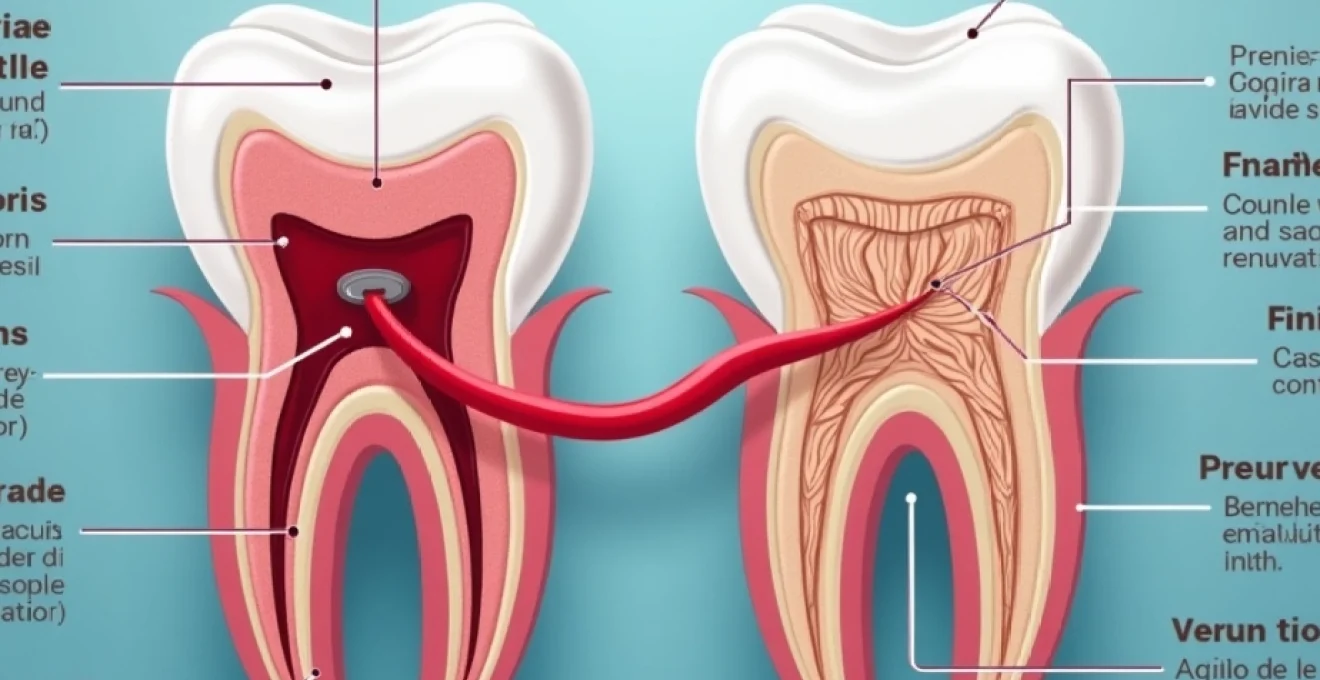
The relationship between oral health and cardiovascular wellbeing represents one of the most compelling areas of medical research in recent decades. Emerging evidence consistently demonstrates that periodontal disease extends far beyond the confines of the mouth, potentially influencing systemic health conditions including hypertension. Research from leading institutions such as University College London has revealed that adults with severe periodontal disease face twice the likelihood of developing elevated blood pressure compared to individuals with healthy gums. This connection affects millions globally, with periodontal disease impacting nearly half of adults over 30 years old, whilst hypertension remains a leading risk factor for cardiovascular mortality. Understanding these interconnected health conditions becomes increasingly crucial as healthcare professionals recognise the mouth as a window into overall health status.
Pathophysiological mechanisms linking periodontal disease to cardiovascular function
The biological pathways connecting periodontal infection to elevated blood pressure involve complex inflammatory cascades that extend throughout the cardiovascular system. When periodontal pathogens invade gum tissues, they trigger a sustained immune response that generates inflammatory mediators capable of affecting distant organ systems. These pathways represent more than simple coincidental associations between two common conditions.
Systemic inflammatory response and C-Reactive protein elevation
Chronic periodontal inflammation acts as a persistent source of systemic inflammatory markers, particularly C-reactive protein (CRP) and interleukin-6. Research demonstrates that individuals with severe periodontitis exhibit CRP levels averaging 2-3 times higher than those with healthy periodontal tissues. This elevation matters significantly because CRP serves as both a marker and mediator of cardiovascular risk. The inflammatory burden created by periodontal bacteria doesn’t remain localised to oral tissues but circulates throughout the bloodstream, affecting vascular function across multiple organ systems.
Studies measuring inflammatory biomarkers reveal that effective periodontal treatment can reduce CRP levels by 15-20% within six months. This reduction parallels improvements in endothelial function and arterial stiffness measurements. The inflammatory response generated by periodontal pathogens creates a state of chronic low-grade inflammation that predisposes individuals to hypertensive changes in vascular reactivity.
Endothelial dysfunction through Cytokine-Mediated pathways
The endothelium, the thin layer lining blood vessels, represents a primary target for periodontal disease-related inflammatory damage. Cytokines released during periodontal infection, including tumour necrosis factor-alpha and interleukin-1 beta, directly impair endothelial nitric oxide synthase activity. This impairment reduces nitric oxide bioavailability, a crucial molecule for maintaining vascular relaxation and optimal blood pressure regulation.
Clinical studies using flow-mediated dilation testing demonstrate that individuals with periodontitis show measurably reduced endothelial function compared to periodontally healthy controls. The dysfunction manifests as decreased ability of blood vessels to relax appropriately in response to increased blood flow, creating conditions conducive to elevated blood pressure. Research indicates that non-surgical periodontal therapy can improve endothelial function by 8-12% within three to six months of treatment completion.
Bacterial translocation and molecular mimicry effects
Periodontal pathogens possess the ability to invade bloodstream circulation through ulcerated gingival tissues, creating bacteraemia events that occur particularly during activities such as tooth brushing or dental procedures. Once in circulation, these bacteria can colonise distant sites, including arterial walls and cardiac tissues. Molecular mimicry represents another concerning mechanism whereby periodontal bacterial antigens resemble human tissue proteins, potentially triggering autoimmune responses that affect cardiovascular function.
Laboratory studies have identified periodontal bacteria DNA within atherosclerotic plaques, suggesting direct bacterial involvement in vascular pathology. The presence of these pathogens in arterial walls correlates with increased plaque instability and elevated local inflammatory activity. This bacterial translocation creates sustained antigenic stimulation that contributes to chronic inflammatory states associated with hypertensive cardiovascular changes.
Oxidative stress impact on vascular smooth muscle
Periodontal infection generates substantial oxidative stress through increased reactive oxygen species production and decreased antioxidant capacity. This oxidative imbalance affects vascular smooth muscle cell function, promoting cellular proliferation and migration patterns associated with arterial stiffening. Research demonstrates that individuals with periodontitis exhibit significantly reduced plasma antioxidant levels and increased markers of oxidative damage.
The oxidative stress burden created by chronic periodontal inflammation affects multiple cardiovascular regulatory pathways. Superoxide radicals generated during periodontal infection can interact with nitric oxide, reducing its cardiovascular protective effects whilst simultaneously promoting inflammatory vascular changes. Studies measuring oxidative stress markers show improvements following successful periodontal therapy, correlating with enhanced blood pressure control and improved arterial compliance measurements.
Clinical evidence from longitudinal studies and Meta-Analyses
The epidemiological evidence supporting the periodontal disease-hypertension connection has grown substantially over the past two decades, with multiple large-scale studies confirming this relationship across diverse populations. These investigations provide compelling evidence that the association extends beyond shared risk factors to represent a genuine biological connection.
Framingham heart study Periodontal-Hypertension correlations
Data from the renowned Framingham Heart Study revealed significant associations between periodontal disease severity and incident hypertension over extended follow-up periods. Participants with severe periodontitis demonstrated a 23% increased risk of developing hypertension during the study period, independent of traditional cardiovascular risk factors including age, smoking status, and body mass index. The longitudinal design of this investigation provides robust evidence for temporality, suggesting that periodontal disease precedes hypertensive development rather than simply occurring alongside it.
Analysis of Framingham data also revealed dose-response relationships between periodontal disease severity and blood pressure elevation. Individuals with moderate periodontitis showed intermediate risk levels, whilst those with severe disease demonstrated the highest hypertensive risk. These findings support biological plausibility for the periodontal-cardiovascular connection whilst controlling for numerous potential confounding variables.
NHANES database analysis of gingival bleeding and blood pressure
The National Health and Nutrition Examination Survey (NHANES) database has provided extensive population-level evidence linking periodontal inflammation markers to elevated blood pressure measurements. Analysis of over 11,000 participants revealed that individuals with gingival bleeding, a key indicator of periodontal inflammation, had significantly higher systolic blood pressure readings averaging 2.3-3.0 mmHg elevation compared to those without bleeding.
The NHANES analysis demonstrated that participants with gum disease were less likely to achieve target blood pressure levels despite antihypertensive medication use, suggesting that periodontal inflammation may interfere with optimal hypertension management.
This population-based evidence indicates that periodontal inflammation may compromise blood pressure control effectiveness, highlighting the importance of comprehensive oral health assessment in hypertensive patients. The data suggests that addressing periodontal disease could enhance overall cardiovascular risk management strategies.
Korean national health insurance cohort findings
South Korean national health insurance data encompassing over 200,000 participants provided additional confirmation of the periodontal-hypertensive relationship across Asian populations. This massive cohort study revealed that individuals diagnosed with periodontitis faced a 7% increased risk of developing hypertension over a five-year follow-up period. The consistency of findings across different ethnic populations strengthens the evidence for universal biological mechanisms underlying this association.
Korean research also demonstrated that more frequent dental cleaning visits correlated with reduced hypertensive risk, suggesting that preventive periodontal care may offer cardiovascular protective benefits. Participants receiving regular professional periodontal maintenance showed 12% lower rates of incident hypertension compared to those with irregular dental care patterns.
Systematic reviews of prospective cardiovascular risk studies
Meta-analyses combining data from multiple prospective studies consistently demonstrate significant associations between periodontal disease and hypertensive risk. A comprehensive review of 12 longitudinal studies involving over 280,000 participants revealed a pooled relative risk of 1.15 for hypertension development in individuals with periodontal disease. The robustness of this finding across diverse study populations and methodologies provides compelling evidence for clinical significance.
These systematic reviews also identify important effect modifiers, including age, smoking status, and diabetes presence. Younger individuals with periodontal disease appear to face particularly elevated hypertensive risk, whilst the association remains significant but attenuated in older populations. This age-related pattern suggests that periodontal disease may accelerate cardiovascular ageing processes, making early intervention particularly crucial.
Periodontal pathogens and hypertensive disease progression
Specific periodontal bacterial species demonstrate distinct capabilities for influencing cardiovascular function through various pathogenic mechanisms. Porphyromonas gingivalis , recognised as a keystone pathogen in periodontitis development, produces virulence factors that can directly affect blood vessel function and blood pressure regulation. Research has identified this organism within atherosclerotic plaques, suggesting direct involvement in cardiovascular pathology rather than merely association with disease states.
Laboratory studies demonstrate that P. gingivalis lipopolysaccharide can induce endothelial dysfunction within hours of exposure, reducing nitric oxide production and increasing inflammatory cytokine release. Tannerella forsythia and Treponema denticola , other key periodontal pathogens, similarly demonstrate cardiovascular effects through complement activation and molecular mimicry mechanisms. These findings suggest that targeting specific periodontal bacteria through antimicrobial therapy could potentially offer cardiovascular protective benefits.
Clinical investigations reveal that individuals harbouring high levels of periodontal pathogens demonstrate greater blood pressure variability and reduced response to antihypertensive medications.
The presence of specific periodontal bacteria correlates with increased arterial stiffness measurements and elevated pulse wave velocity, indicating accelerated vascular ageing processes.
This evidence supports the concept that periodontal bacterial burden represents a modifiable cardiovascular risk factor warranting clinical attention in hypertensive patients.
Recent research explores the role of periodontal pathogen-derived enzymes in cardiovascular disease progression. Gingipains produced by P. gingivalis can cleave important cardiovascular regulatory proteins, including components of the coagulation cascade and inflammatory response pathways. These enzymatic activities create systemic effects that extend far beyond local periodontal tissue damage, influencing blood pressure regulation and cardiovascular risk profiles.
Angiotensin-converting enzyme activity and gingival inflammation
The renin-angiotensin-aldosterone system represents a crucial pathway for blood pressure regulation, and emerging evidence suggests that periodontal inflammation can significantly influence angiotensin-converting enzyme (ACE) activity. Research demonstrates that individuals with periodontitis exhibit elevated serum ACE levels compared to periodontally healthy controls, potentially contributing to enhanced vasoconstriction and sodium retention associated with hypertensive development.
Gingival tissues themselves express components of the renin-angiotensin system, including ACE, angiotensin receptors, and renin. During periodontal inflammation, local ACE activity increases substantially, creating conditions for enhanced angiotensin II production within oral tissues. This local angiotensin II generation can influence both local inflammatory responses and systemic cardiovascular function through circulating hormone effects.
Clinical studies reveal that successful periodontal therapy can reduce serum ACE activity by 15-20% within three to six months of treatment completion. This reduction correlates with improved blood pressure control and enhanced response to ACE inhibitor medications in hypertensive patients with periodontitis. The findings suggest that periodontal inflammation may interfere with optimal ACE inhibitor effectiveness, highlighting the importance of comprehensive oral health assessment in cardiovascular disease management.
Research investigating ACE gene polymorphisms in periodontal patients reveals interesting interactions between genetic susceptibility and inflammatory burden. Individuals carrying specific ACE gene variants demonstrate enhanced susceptibility to both periodontal disease progression and hypertensive development when both conditions occur simultaneously. These genetic interactions suggest that personalised approaches to cardiovascular risk assessment should consider both periodontal status and genetic predisposition patterns.
Therapeutic interventions and blood pressure modification outcomes
The therapeutic implications of the periodontal-hypertensive connection extend beyond simple risk recognition to encompass active treatment strategies that may offer cardiovascular protective benefits. Evidence from intervention studies demonstrates that addressing periodontal disease can produce measurable improvements in blood pressure parameters and cardiovascular risk markers.
Non-surgical periodontal therapy impact on systolic pressure
Non-surgical periodontal therapy, including scaling and root planing procedures, consistently demonstrates blood pressure reduction effects in clinical trials. Studies report average systolic blood pressure reductions of 3-5 mmHg following comprehensive periodontal treatment, with effects becoming apparent within 2-3 months and persisting for at least six months post-treatment. These pressure reductions may appear modest but represent clinically significant improvements comparable to lifestyle modifications or low-dose antihypertensive medications.
Research demonstrates that blood pressure reduction magnitude correlates with periodontal treatment success, measured through clinical attachment level gains and bleeding reduction. Patients achieving optimal periodontal healing responses show the greatest cardiovascular improvements, suggesting that effective infection control represents the key mechanism underlying blood pressure benefits. The temporal relationship between periodontal healing and cardiovascular improvement supports causality rather than coincidental association.
Scaling and root planing effects on endothelial function
Flow-mediated dilation testing reveals significant improvements in endothelial function following non-surgical periodontal therapy. Studies report 8-15% improvements in endothelial-dependent vasodilation within three to six months of periodontal treatment completion. These functional improvements correlate with reduced inflammatory marker levels and enhanced nitric oxide bioavailability, supporting the biological mechanisms proposed for periodontal-cardiovascular connections.
Arterial stiffness measurements also show consistent improvements following periodontal therapy, with pulse wave velocity reductions averaging 0.5-1.0 m/s in treated patients. These changes indicate enhanced arterial compliance and improved cardiovascular risk profiles. The magnitude of arterial stiffness improvement correlates with baseline periodontal disease severity, suggesting that more extensive periodontal treatment may offer greater cardiovascular benefits.
Antibiotic adjunct therapy and cardiovascular biomarkers
Studies investigating systemic antibiotic use as adjunct to mechanical periodontal therapy reveal enhanced cardiovascular benefits compared to mechanical treatment alone. Combinations including doxycycline or amoxicillin plus metronidazole demonstrate superior blood pressure reduction effects and greater improvements in endothelial function measures.
The additional cardiovascular benefits of antibiotic therapy suggest that systemic bacterial burden reduction may be crucial for optimising cardiovascular protective effects of periodontal treatment.
Antimicrobial therapy appears particularly beneficial for patients with severe periodontitis or those harbouring high levels of specific periodontal pathogens. However, the appropriate use of systemic antibiotics must balance potential cardiovascular benefits against concerns regarding antimicrobial resistance development and adverse drug effects. Clinical decision-making requires careful consideration of individual patient risk factors and periodontal disease characteristics.
Long-term maintenance protocols for dual disease management
Longitudinal studies demonstrate that sustained periodontal maintenance therapy provides ongoing cardiovascular protective benefits beyond initial treatment effects. Patients receiving regular professional periodontal maintenance at three to four-month intervals maintain blood pressure improvements and show reduced rates of cardiovascular events compared to those receiving less frequent care. The maintenance phase appears crucial for preserving both periodontal health and cardiovascular benefits achieved through initial therapy.
Research reveals that patients with both periodontitis and hypertension require more frequent periodontal maintenance compared to those with periodontal disease alone. The enhanced inflammatory burden associated with dual disease presence creates conditions requiring intensive ongoing management to prevent disease recurrence and maintain cardiovascular protective effects. Collaborative care models involving both dental and medical professionals demonstrate superior outcomes for managing patients with concurrent periodontal disease and hypertension.
Clinical assessment protocols for dual screening programs
The established connection between periodontal disease and hypertension necessitates integrated screening approaches that address both conditions simultaneously. Healthcare professionals increasingly recognise the value of collaborative assessment protocols that can identify at-risk individuals and provide comprehensive management strategies. These approaches represent evolution beyond traditional siloed healthcare delivery toward more holistic patient care models.
Dental professionals can effectively screen for hypertension using simple blood pressure measurement protocols integrated into routine dental examinations. Studies demonstrate that dental office blood pressure screening identifies previously undiagnosed hypertension in 15-
20% of patients, indicating substantial opportunities for early hypertensive detection in dental settings. Similarly, medical professionals can incorporate basic periodontal screening using simple measures such as gingival bleeding assessment and pocket depth evaluation during routine physical examinations.
Collaborative screening protocols should include standardised assessment forms that capture both cardiovascular and periodontal risk factors simultaneously. Integrated questionnaires can identify shared risk factors including smoking, diabetes, and family history whilst documenting symptoms of both conditions. This comprehensive approach enables healthcare providers to recognise patients requiring interdisciplinary management and coordinate appropriate referral pathways.
Technology-enhanced screening tools, including automated blood pressure monitors and periodontal screening devices, can facilitate efficient dual assessment protocols in various healthcare settings. Research demonstrates that structured screening programs increase identification rates for both conditions whilst improving patient awareness of interconnected health relationships. These programs prove particularly valuable in community health centres and primary care settings where patients may have limited access to specialised dental or cardiovascular care.
Training protocols for healthcare professionals should emphasise the bidirectional nature of periodontal-hypertensive relationships, ensuring that both dental and medical providers understand when to initiate screening for the companion condition. Cross-training initiatives improve overall screening effectiveness whilst enhancing collaborative patient management approaches. Documentation standards should facilitate communication between dental and medical providers, ensuring that important findings are appropriately shared and acted upon.
Quality improvement initiatives can track screening effectiveness through metrics including identification rates for previously undiagnosed conditions, appropriate referral patterns, and patient follow-through with recommended care. Regular program evaluation ensures that screening protocols remain efficient and cost-effective whilst maximising patient benefit. The integration of electronic health records can facilitate seamless information sharing between dental and medical providers, supporting comprehensive patient management strategies.
Patient education components of screening programs should emphasise the scientific basis for periodontal-cardiovascular connections whilst providing actionable guidance for risk reduction. Educational materials can help patients understand why dental health matters for cardiovascular wellbeing, increasing motivation for preventive care compliance. Motivational interviewing techniques prove particularly effective for encouraging patients to address both periodontal and cardiovascular risk factors simultaneously.
The growing body of evidence linking periodontal disease to hypertension represents a paradigm shift in understanding oral-systemic health connections. Healthcare professionals must recognise that optimal cardiovascular risk management increasingly requires attention to periodontal health status, whilst dental care providers should understand their role in cardiovascular disease prevention. This integrative approach offers patients comprehensive care that addresses root causes of disease rather than treating conditions in isolation.
Future research directions should focus on refining our understanding of dose-response relationships between periodontal disease severity and cardiovascular risk, identifying optimal treatment protocols for dual disease management, and developing cost-effective screening strategies for diverse populations. Personalised medicine approaches may eventually enable clinicians to identify patients most likely to benefit from intensive periodontal-cardiovascular intervention programs.
The economic implications of periodontal-cardiovascular connections warrant further investigation, particularly regarding cost savings achievable through preventive periodontal care in high-risk cardiovascular populations. Healthcare systems increasingly recognise that investment in comprehensive oral health programs may yield substantial returns through reduced cardiovascular disease burden and associated healthcare costs.