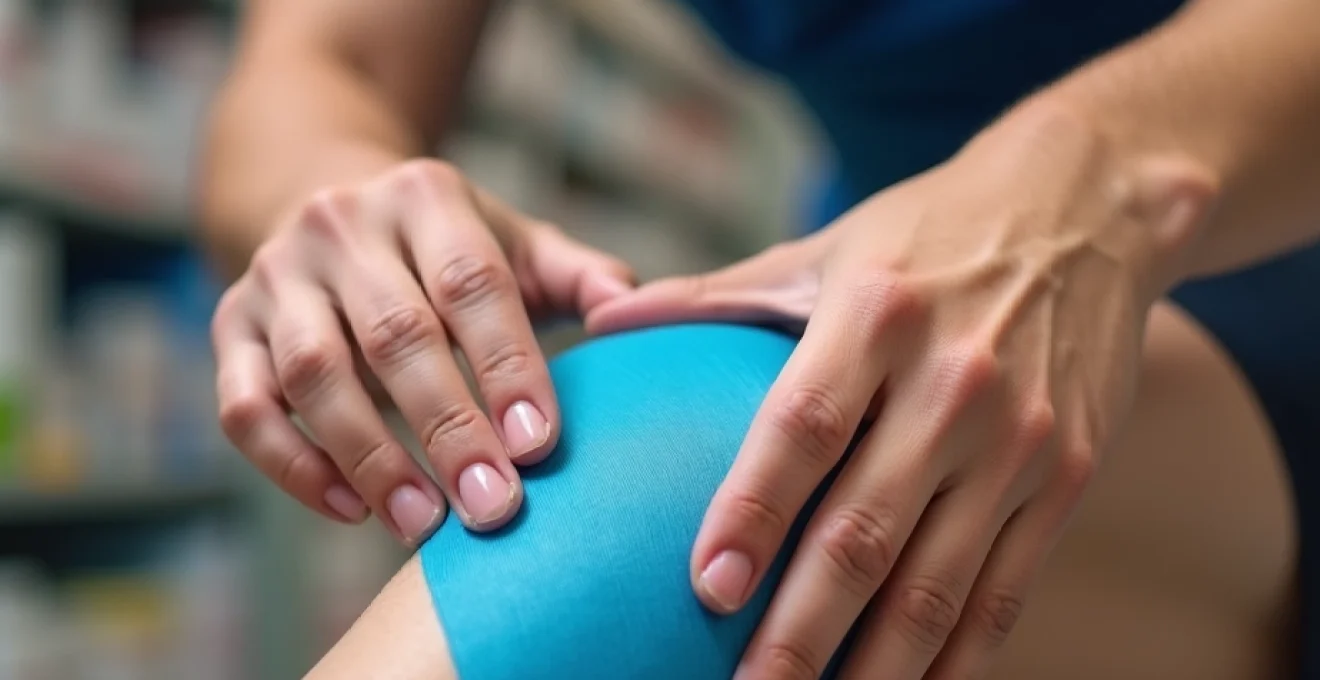
Kinesiology tape has revolutionised the way athletes and individuals approach injury prevention and recovery support. CVS Pharmacy stocks an extensive range of KT Tape products, making this therapeutic tool accessible to consumers seeking relief from muscle tension, joint discomfort, and movement restrictions. Understanding the proper application techniques, contraindications, and product variations available at CVS locations can significantly impact your therapeutic outcomes and overall experience with kinesiology taping.
The popularity of therapeutic taping has grown exponentially since professional athletes began showcasing colourful tape patterns during major sporting events. What started as a clinical tool developed by Dr. Kenzo Kase in the late 1970s has evolved into a mainstream therapeutic option that combines mobility support with pain management. CVS Pharmacy recognises this growing demand by maintaining comprehensive inventory levels across multiple KT Tape product lines.
KT tape product range available at CVS pharmacy locations
CVS Pharmacy maintains an extensive inventory of KT Tape products designed to meet diverse therapeutic needs and user preferences. The pharmacy chain’s commitment to accessibility means that customers can find both basic and advanced kinesiology tape options without requiring prescription authorisation. This availability transforms CVS locations into convenient resources for individuals seeking immediate therapeutic support or those maintaining ongoing taping protocols.
KT tape pro synthetic kinesiology tape specifications
The KT Tape Pro synthetic formulation represents the pinnacle of durability and performance within the brand’s product portfolio. This synthetic blend offers superior longevity compared to cotton-based alternatives, maintaining adhesive integrity for up to seven days under normal usage conditions. The synthetic material provides enhanced water resistance, making it particularly suitable for individuals who engage in swimming, intense perspiration activities, or frequent showering during their recovery period.
Professional athletic trainers often recommend the Pro synthetic version for athletes participating in multi-day competitions or training camps where tape replacement opportunities may be limited. The material’s enhanced elasticity properties create more consistent tension distribution across the application area, potentially improving therapeutic outcomes for muscle facilitation and joint decompression techniques.
KT tape original Cotton-Based therapeutic tape options
The original cotton-based KT Tape formulation remains a popular choice for individuals seeking a more breathable option with excellent skin compatibility. Cotton fibres provide natural moisture-wicking properties that help prevent skin maceration during extended wear periods. This formulation typically maintains effective adhesion for three to five days, making it ideal for short-term therapeutic applications or individuals with sensitive skin conditions.
Cotton-based kinesiology tape offers superior conformability to complex body contours, particularly around joint areas where movement creates varying tension patterns. The material’s natural give allows for more comfortable adaptation to dynamic movement patterns whilst maintaining therapeutic support levels throughout the application period.
KT tape gentle hypoallergenic adhesive formulation
CVS Pharmacy stocks KT Tape Gentle specifically formulated for individuals with sensitive skin or those prone to adhesive reactions. This specialised formulation utilises a modified adhesive compound that reduces the risk of contact dermatitis whilst maintaining sufficient bonding strength for therapeutic effectiveness. The gentle adhesive formulation makes removal significantly more comfortable, reducing the risk of skin trauma during tape discontinuation.
Healthcare professionals frequently recommend the Gentle formulation for elderly patients, individuals with compromised skin integrity, or those requiring frequent tape replacement cycles. The reduced adhesive strength may necessitate more frequent reapplication, but this trade-off often proves worthwhile for maintaining skin health throughout extended treatment protocols.
KT tape performance+ enhanced durability features
The Performance+ line incorporates advanced adhesive technology designed to withstand extreme environmental conditions and intensive physical activity. This premium formulation includes enhanced moisture management properties and improved elasticity recovery, ensuring consistent therapeutic support throughout demanding usage scenarios. The Performance+ series often features reinforced edge construction that reduces the likelihood of premature lifting or edge curling.
Professional recommendations typically favour Performance+ formulations for individuals engaged in contact sports, outdoor activities with variable weather exposure, or occupations requiring repetitive motion patterns that challenge standard tape durability. The enhanced formulation justifies its premium pricing through extended wear periods and maintained therapeutic effectiveness under challenging conditions.
Kinesiology tape application techniques and muscle targeting
Proper application technique fundamentally determines therapeutic effectiveness regardless of the specific KT Tape product selected from CVS Pharmacy’s inventory. Understanding the mechanical principles behind different taping methods enables users to maximise therapeutic outcomes whilst minimising the risk of adverse reactions or application failures. Professional physical therapists emphasise that technique consistency often matters more than brand selection when achieving desired therapeutic results.
Inhibition taping method for overactive muscle groups
Inhibition taping techniques target overactive or hypertonic muscle groups by applying the tape from insertion to origin with moderate stretch tension. This application method creates a mechanical load that theoretically reduces excessive muscle firing patterns and promotes relaxation within the targeted tissue. The inhibition technique proves particularly effective for addressing muscle spasms, trigger point tension, and postural imbalances caused by muscle hyperactivity.
Professional application of inhibition taping typically involves applying 25-50% stretch to the central portion of the tape whilst maintaining anchor points without tension. The lifting effect created by this application method may alter sensory input to the central nervous system, potentially reducing excessive muscle activation patterns through neurological feedback mechanisms.
Facilitation technique for weak quadriceps and hamstring support
Facilitation taping approaches target weak or inhibited muscle groups by applying tape from the muscle origin toward its insertion point with light to moderate tension. This technique aims to enhance proprioceptive feedback and potentially improve muscle recruitment patterns during functional movement. Quadriceps facilitation commonly addresses weakness following knee injuries, whilst hamstring facilitation supports posterior chain activation in individuals with gluteal weakness or hip dysfunction.
The facilitation technique requires precise tension management to avoid over-stimulation whilst providing sufficient mechanical input to enhance muscle function. Professional recommendations suggest starting with lighter tension applications and gradually increasing support levels based on individual response patterns and functional improvement markers.
Lymphatic drainage application for Post-Exercise recovery
Lymphatic drainage taping utilises specific fan-cut patterns and minimal tension application to create skin lifting effects that theoretically enhance fluid movement within superficial lymphatic vessels. This technique proves particularly valuable for addressing post-exercise swelling, minor injury-related oedema, and circulation enhancement in areas prone to fluid accumulation.
Professional lymphatic taping requires specialised cutting techniques and precise placement to achieve optimal drainage pathways without impeding natural lymphatic flow patterns.
The success of lymphatic drainage applications depends heavily on understanding anatomical drainage patterns and avoiding application methods that might inadvertently restrict natural fluid movement. Professional guidance often proves essential for achieving consistent results with lymphatic drainage techniques.
Joint decompression taping for patellofemoral pain syndrome
Joint decompression techniques utilise strategic tape placement to create space within joint structures and reduce compressive forces on sensitive tissues. Patellofemoral pain syndrome applications typically involve specific patellar unloading patterns that aim to improve tracking mechanics and reduce contact pressures within the patellofemoral joint space.
Effective joint decompression requires understanding of biomechanical dysfunction patterns and precise tape placement to achieve desired unloading effects. The technique often combines multiple application methods to address both muscular imbalances and joint mechanical dysfunctions simultaneously.
Medical contraindications and skin sensitivity assessment
Understanding medical contraindications and conducting proper skin sensitivity assessments prevents adverse reactions and ensures safe therapeutic outcomes when using KT Tape products from CVS Pharmacy. Healthcare professionals emphasise that certain medical conditions and skin conditions require careful consideration or complete avoidance of kinesiology taping applications. Recognising these contraindications protects patient safety and prevents complications that could worsen existing medical conditions.
Absolute contraindications include active deep vein thrombosis, where increased lymphatic flow could potentially dislodge blood clots and create life-threatening embolic events. Individuals with active cancer should avoid kinesiology taping over tumour sites, as enhanced circulation could theoretically promote unwanted cellular activity. Open wounds, active infections, and severely compromised skin integrity represent additional absolute contraindications that require complete avoidance of adhesive applications.
Relative contraindications require careful assessment and potential medical consultation before proceeding with kinesiology taping applications. Diabetes with peripheral neuropathy poses risks due to reduced sensation that might prevent recognition of adverse skin reactions. Individuals with lymphoedema following lymph node removal require modified application techniques and professional supervision to prevent fluid accumulation complications. Pregnancy applications should always involve healthcare provider consultation, particularly when addressing pelvic or abdominal regions.
Skin sensitivity testing provides essential safety screening before full therapeutic applications. Professional recommendations include applying a small test strip to the forearm for at least one hour whilst monitoring for signs of irritation, itching, or allergic reactions. Individuals with known adhesive allergies or sensitive skin conditions should consider the KT Tape Gentle formulation available at CVS locations, which utilises modified adhesive compounds designed for reactive skin types.
Between 5% and 15% of individuals may experience adhesive sensitivity reactions, making preliminary skin testing a crucial safety measure for first-time users.
CVS pharmacy In-Store availability and pricing structure
CVS Pharmacy maintains consistent KT Tape inventory across most locations, though specific product availability may vary based on regional demand patterns and store size classifications. The pharmacy chain’s distribution network ensures that basic KT Tape formulations remain readily available, whilst specialty products like the Gentle or Performance+ lines might require special ordering at smaller locations. CVS’s online inventory system allows customers to verify product availability at specific locations before travelling, saving time and ensuring access to desired formulations.
Pricing structures at CVS reflect competitive market positioning whilst accommodating various budget considerations. Standard cotton-based KT Tape rolls typically range from £15-25, depending on roll length and regional pricing variations. The Pro synthetic formulations command premium pricing due to enhanced durability features, often retailing 20-30% higher than standard cotton options. Performance+ and Gentle formulations occupy the highest price points within the range, reflecting their specialised adhesive technologies and targeted market applications.
CVS ExtraCare rewards programme provides additional value through regular promotional offerings and cash-back opportunities on KT Tape purchases. Seasonal promotions often coincide with major sporting events or back-to-school periods when athletic participation increases. Bulk purchasing options may provide cost savings for individuals requiring frequent tape replacement or those managing chronic conditions requiring ongoing taping support.
Professional healthcare providers can establish commercial accounts with CVS Pharmacy locations to access volume pricing discounts and streamlined ordering processes. These arrangements prove particularly valuable for physical therapy clinics, sports medicine practices, and athletic training programmes requiring consistent KT Tape supplies. The commercial account structure often includes expedited special ordering capabilities and priority access to new product releases within the KT Tape product line.
Professional athletic trainer recommendations and clinical evidence
Athletic trainers and sports medicine professionals increasingly incorporate KT Tape applications into comprehensive treatment protocols, though clinical evidence regarding efficacy remains mixed across different therapeutic applications. Professional consensus suggests that kinesiology taping proves most effective when combined with other therapeutic interventions rather than serving as a standalone treatment modality. Clinical experience demonstrates significant individual variation in response patterns, with some individuals experiencing substantial benefits whilst others show minimal improvement from taping applications.
Recent systematic reviews indicate moderate evidence supporting kinesiology tape use for short-term pain reduction and functional improvement in specific conditions such as patellofemoral pain syndrome and lymphoedema management. However, long-term efficacy data remains limited, and placebo effects may contribute to perceived benefits in some applications. Professional recommendations emphasise the importance of proper technique training and realistic expectation management when incorporating kinesiology taping into treatment plans.
Athletic trainers report that approximately 60-70% of patients experience meaningful benefit from properly applied kinesiology taping techniques, though individual responses vary significantly based on condition type and application method.
Evidence-based practice guidelines suggest that kinesiology taping shows strongest support for applications involving muscle facilitation, short-term pain management, and lymphatic drainage enhancement. Weaker evidence exists for claims regarding injury prevention and performance enhancement, though anecdotal reports from athletes continue to support these applications. Professional education programmes emphasise the importance of understanding research limitations whilst maintaining clinical flexibility for individual patient responses.
Contemporary sports medicine practices increasingly utilise kinesiology taping as part of movement re-education programmes, where the tape serves to enhance proprioceptive awareness rather than provide mechanical support. This approach aligns with current evidence suggesting that sensory input modification may represent the primary mechanism behind therapeutic benefits rather than direct mechanical tissue effects.
Pre-application skin preparation and tape longevity optimisation
Proper skin preparation significantly impacts both adhesive performance and therapeutic effectiveness when using KT Tape products from CVS Pharmacy. Professional application protocols emphasise thorough cleaning with alcohol-based solutions to remove skin oils, lotions, and debris that can compromise adhesive bonding. Allow complete skin drying before tape application, as residual moisture creates barriers between the adhesive and skin surface that reduce bonding strength and longevity.
Hair removal considerations require balancing adhesive performance with skin comfort during removal procedures. Fine hair typically doesn’t interfere significantly with tape adhesion, whilst dense hair growth may prevent proper skin contact and create premature lifting points. Professional recommendations suggest trimming rather than shaving dense hair to reduce ingrown hair risks whilst maintaining adequate adhesive contact. Sensitive skin areas may benefit from hair removal techniques that minimise skin irritation before tape application.
Temperature and humidity conditions during application affect both immediate adhesive bonding and long-term tape performance. Optimal application occurs at room temperature with moderate humidity levels, allowing the adhesive to achieve proper molecular bonding with skin surfaces. Cold conditions may require brief tape warming before application to enhance adhesive flow characteristics, whilst excessive heat can cause premature adhesive activation that complicates handling during application procedures.
Activation techniques following tape placement enhance adhesive bonding strength and improve longevity outcomes. Professional protocols recommend firm rubbing across the entire tape surface immediately after application to generate heat that activates adhesive compounds and promotes molecular bonding with skin surfaces. This activation process typically requires 30-60 seconds of continuous pressure application across all tape areas to achieve optimal results.
Edge sealing techniques prevent premature lifting and extend effective wear periods by addressing common failure points where tape edges encounter clothing friction or moisture exposure. Professional applications often incorporate edge rounding and pressure application specifically targeting tape margins where lifting typically initiates. These preventive measures can extend effective tape life from three days to five days or longer under normal usage conditions.