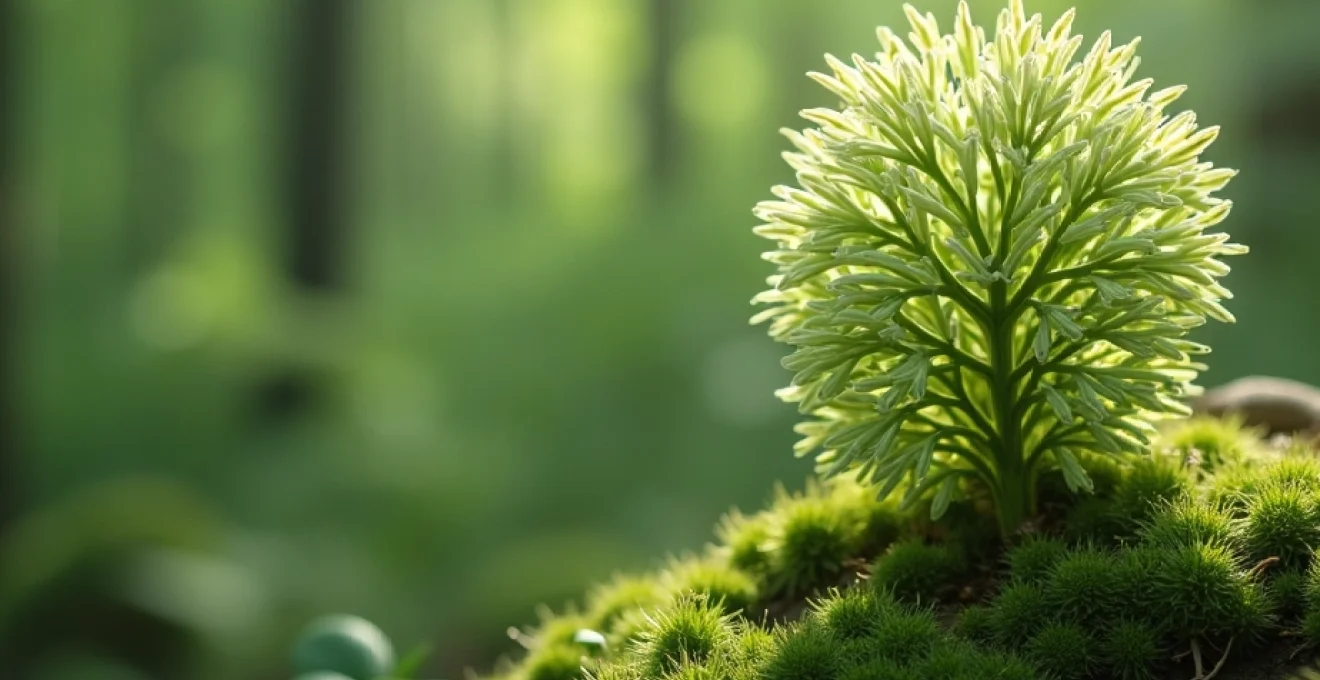
Lycopodium clavatum, commonly known as club moss or running pine, stands as one of the most fascinating plants in both traditional medicine and modern therapeutic applications. This ancient pteridophyte has captured the attention of herbalists, homeopaths, and researchers for centuries due to its unique spore production and diverse medicinal properties. The plant’s distinctive yellow spores have been prized across multiple cultures, while its aerial parts continue to find applications in contemporary natural health practices.
From the misty woodlands of Europe to the temperate forests of North America, Lycopodium clavatum has established itself as a cornerstone species in ethnobotanical traditions. Its therapeutic versatility spans digestive health, liver protection, and neurological support, making it particularly valuable in today’s integrative medicine landscape. The plant’s remarkable ability to produce bioactive compounds has positioned it at the forefront of phytochemical research, revealing new possibilities for natural therapeutic interventions.
Botanical classification and morphological characteristics of lycopodium clavatum
Understanding the botanical identity of Lycopodium clavatum requires examining its unique position within the plant kingdom. This species belongs to an ancient lineage of vascular plants that predates flowering plants by millions of years, offering insights into early terrestrial plant evolution. The morphological features of club moss reflect adaptations that have allowed it to persist through dramatic environmental changes throughout geological time.
Taxonomic position within lycopodiaceae family
Lycopodium clavatum occupies a distinctive taxonomic position within the Lycopodiaceae family, representing one of approximately 400 species in the genus. This classification places it within the division Lycopodiophyta, class Lycopodiopsida, and order Lycopodiales. The taxonomic hierarchy reflects evolutionary relationships that date back approximately 400 million years, making lycopods among the most ancient vascular plant groups still thriving today.
The genus Lycopodium encompasses species characterised by their homosporous reproduction and distinctive branching patterns. Modern phylogenetic studies have refined the classification system, sometimes separating certain species into related genera such as Huperzia and Diphasiastrum. However, Lycopodium clavatum remains firmly established within the core Lycopodium group, distinguished by its specific morphological and reproductive characteristics.
Distinctive sporangial and strobili structures
The reproductive structures of Lycopodium clavatum represent one of its most remarkable features, with sporangia organised into distinctive cone-like structures called strobili. These cylindrical reproductive organs typically measure 2-5 centimetres in length and are positioned at the tips of specialised branches. The strobili contain numerous sporangia, each housing thousands of microscopic spores that serve as the plant’s reproductive units.
Each sporangium develops within modified leaves called sporophylls, which differ significantly from the vegetative leaves in both structure and function. The sporophylls are triangular and closely packed, creating the characteristic appearance that gives club moss its common name. The timing of spore release is precisely coordinated with environmental conditions, typically occurring during dry periods when wind dispersal is most effective.
Microscopic spore morphology and identification markers
The spores of Lycopodium clavatum exhibit distinctive morphological features that make them readily identifiable under microscopic examination. These unicellular structures measure approximately 25-35 micrometres in diameter and display a characteristic tetrahedral shape with prominent ridges and reticulate surface patterns. The spore wall consists of multiple layers, including an outer exine and inner intine, both contributing to the spore’s remarkable durability.
Sporopollenin , the primary component of the spore wall, provides exceptional resistance to degradation and chemical treatment. This biochemical composition explains why Lycopodium spores have been preserved in geological deposits spanning millions of years. The surface ornamentation patterns, visible under scanning electron microscopy, serve as diagnostic features for species identification and have proven valuable in palynological studies.
Habitat distribution across temperate and boreal regions
Lycopodium clavatum demonstrates remarkable ecological adaptability, thriving across diverse temperate and boreal ecosystems throughout the Northern Hemisphere. The species typically inhabits acidic soils in coniferous and mixed forests, where it forms extensive creeping networks through its prostrate stems. These habitats provide the specific microclimate conditions necessary for successful establishment and reproduction.
The plant’s distribution extends from sea level to elevations exceeding 3,000 metres, reflecting its tolerance for varying environmental conditions. However, club moss populations face increasing pressure from habitat fragmentation and climate change. Conservation efforts have become critical in regions where intensive agriculture and urban development threaten traditional club moss habitats. The species’ slow growth rate and specific habitat requirements make recovery from disturbance particularly challenging.
Phytochemical composition and active constituents analysis
The therapeutic potential of Lycopodium clavatum stems from its complex phytochemical profile, which includes a diverse array of bioactive compounds. Modern analytical techniques have revealed the presence of numerous secondary metabolites that contribute to the plant’s medicinal properties. These compounds are distributed unevenly throughout different plant parts, with the highest concentrations typically found in the aerial portions and spores.
Alkaloid profile including lycopodine and clavotoxine
The alkaloid content of Lycopodium clavatum represents one of its most pharmacologically significant features, with over 200 structurally diverse alkaloids identified to date. Lycopodine and clavotoxine serve as the primary alkaloid markers, exhibiting potent biological activities that contribute to the plant’s therapeutic effects. These compounds belong to the lycopodium alkaloid family, characterised by complex polycyclic structures derived from lysine and ornithine precursors.
Recent research has focused on the neuroprotective properties of these alkaloids, particularly their ability to inhibit acetylcholinesterase activity. This mechanism of action has generated significant interest in the context of neurodegenerative disorders, where acetylcholine deficiency plays a central role in cognitive decline. The alkaloid concentration varies seasonally and geographically, with northern populations generally exhibiting higher alkaloid levels than their southern counterparts.
Triterpene compounds and saponin content
Triterpene compounds constitute another major class of bioactive constituents in Lycopodium clavatum, contributing to its hepatoprotective and anti-inflammatory properties. These compounds, derived from squalene precursors, include both free triterpenes and saponin glycosides. The saponin content is particularly notable in the aerial parts, where these compounds may serve defensive functions against herbivory and pathogen attack.
Analytical studies have identified several specific triterpene structures, including clavatum saponins and related compounds. These molecules exhibit interesting biological activities, including membrane-stabilising effects and interactions with cholesterol metabolism. The triterpene profile appears to be influenced by environmental factors such as light exposure and soil composition, suggesting adaptive significance for these compounds.
Flavonoid distribution in aerial parts
Flavonoids represent a significant component of the Lycopodium clavatum phytochemical portfolio, with aerial parts containing various flavone and flavonol derivatives. Apigenin stands out as a major flavonoid constituent, demonstrating potent antioxidant and anti-inflammatory activities. Research has shown that apigenin from club moss exhibits particularly strong protective effects against UV-induced cellular damage.
The flavonoid distribution pattern reflects the plant’s adaptation to environmental stresses, with higher concentrations typically found in light-exposed tissues. These compounds contribute to the plant’s characteristic pale green coloration and may play roles in photoprotection and pathogen resistance. Seasonal variations in flavonoid content have been documented, with peak concentrations occurring during active growth periods.
Volatile oil components and terpene analysis
The volatile oil fraction of Lycopodium clavatum contains numerous terpene compounds that contribute to its characteristic aroma and potentially its therapeutic effects. Gas chromatography-mass spectrometry analysis has revealed the presence of monoterpenes, sesquiterpenes, and their oxygenated derivatives. These compounds are primarily concentrated in the aerial parts, where they may serve as chemical defence mechanisms.
The terpene composition shows considerable variation based on geographic origin and harvesting conditions. Some populations exhibit distinct chemotypes, suggesting genetic variation in terpene biosynthesis pathways. This chemical diversity has implications for quality control in commercial preparations and highlights the importance of proper sourcing and standardisation protocols.
Spore wall constituents and sporopollenin properties
The unique composition of Lycopodium clavatum spore walls has attracted considerable scientific attention due to the remarkable properties of sporopollenin. This biopolymer exhibits exceptional chemical stability, resisting degradation by acids, bases, and enzymes under conditions that destroy most other biological materials. The sporopollenin matrix incorporates various other compounds, including lipids and proteins, creating a complex protective barrier.
Recent investigations have explored the potential applications of sporopollenin in biotechnology and materials science. The spore wall’s natural microencapsulation properties suggest possibilities for drug delivery systems and other biomedical applications. Understanding the detailed structure and formation of sporopollenin continues to reveal new insights into plant biology and potential technological applications.
Traditional homeopathic applications and materia medica
Lycopodium clavatum holds a distinguished position within the homeopathic materia medica, representing one of the most thoroughly studied and widely prescribed constitutional remedies. The homeopathic preparation process transforms the crude plant material into highly potentised medicines that address both acute conditions and deep-seated chronic disorders. This transformation process, involving serial dilution and succussion, is believed to enhance the therapeutic potential while minimising adverse effects.
Samuel hahnemann’s original provings and documentation
The introduction of Lycopodium into homeopathic practice traces back to Samuel Hahnemann’s meticulous proving studies conducted in the early 19th century. Hahnemann’s original documentation revealed a complex symptom picture encompassing digestive disturbances, urinary complaints, and distinctive mental-emotional patterns. These early provings established the foundational understanding of Lycopodium’s therapeutic scope and constitutional indications.
Hahnemann’s methodology involved administering prepared Lycopodium to healthy volunteers and carefully recording all observed symptoms and sensations. The systematic nature of these provings created a comprehensive symptom database that continues to guide modern prescribing practices. Subsequent provings by other homeopathic physicians have expanded and refined this original framework, contributing additional layers of clinical understanding.
Constitutional prescribing patterns for lycopodium patients
The constitutional profile of Lycopodium patients encompasses distinctive physical, mental, and emotional characteristics that guide prescribing decisions. These individuals typically exhibit a characteristic body habitus, often presenting with digestive weakness, liver congestion, and a tendency toward right-sided symptoms. Mental symptoms frequently include intellectual insecurity masked by authoritarian behaviour, fear of public speaking, and anticipatory anxiety about new situations.
Physical generals in Lycopodium patients often include a desire for warm food and drinks, aggravation from 4-8 PM, and improvement from gentle motion. The digestive system commonly shows signs of dysfunction, with bloating after eating small amounts, craving for sweets, and irregular bowel function. These patterns help practitioners identify suitable candidates for Lycopodium constitutional treatment.
Potentisation methods from 6X to 200C preparations
The preparation of homeopathic Lycopodium involves specific potentisation methods that transform the original plant material into therapeutic dilutions. Lower potencies such as 6X and 30X retain measurable amounts of original substance, while higher potencies like 200C contain no detectable molecular traces of the source material. Each potency level is believed to address different aspects of the disease process and patient constitution.
The selection of appropriate potency levels requires careful consideration of patient sensitivity, symptom acuity, and constitutional factors that influence individual response patterns.
Clinical experience suggests that acute conditions often respond to lower potencies administered frequently, while chronic constitutional treatment typically employs higher potencies given less frequently. The centesimal scale (C potencies) is most commonly used for Lycopodium, though decimal (X) and millesimal (LM) potencies also find specific applications in clinical practice.
Classical repertory symptoms in kent’s repertory
Kent’s Repertory, the classical reference work for homeopathic symptom analysis, contains extensive entries for Lycopodium clavatum across multiple organ systems. These repertory entries reflect the accumulated clinical experience of homeopathic practitioners over more than a century of therapeutic use. The breadth of Lycopodium’s repertory coverage demonstrates its polychrest nature and wide therapeutic applicability.
Digestive system entries predominate in the Lycopodium repertory, reflecting the remedy’s particular affinity for gastrointestinal disorders. Mental and emotional symptoms also feature prominently, highlighting the psychosomatic connections that characterise this remedy. The systematic organisation of symptoms in Kent’s Repertory facilitates precise remedy selection based on individual case presentations.
Ethnobotanical uses across indigenous medicine systems
The ethnobotanical significance of Lycopodium clavatum extends across numerous indigenous medicine systems throughout its native range. Traditional knowledge holders have recognised the therapeutic potential of club moss for generations, developing sophisticated preparation methods and application protocols. These traditional uses provide valuable insights into the plant’s medicinal properties and continue to inform modern therapeutic applications.
Native American tribes historically utilised Lycopodium spores for treating skin conditions, wounds, and diaper rash in infants. The spores’ natural drying properties and antimicrobial activity made them particularly valuable for managing moisture-related skin problems. Traditional preparation methods often involved careful collection of mature spores during optimal harvesting periods, followed by specific processing techniques to maintain therapeutic potency.
European folk medicine traditions have incorporated Lycopodium in various forms, including decoctions of the whole plant for kidney and bladder disorders. Traditional herbalists recognised the plant’s affinity for the urogenital system, using it to address kidney stones, urinary tract infections, and related conditions. These applications align closely with modern understanding of the plant’s diuretic and anti-inflammatory properties.
Asian traditional medicine systems, particularly in China and India, have documented uses of related Lycopodium species for similar therapeutic purposes. The Ayurvedic tradition recognises club moss as having heating properties and uses it for conditions characterised by cold and damp constitutional imbalances. These traditional perspectives provide context for understanding the plant’s energetic properties and therapeutic indications.
Modern pharmacological research and clinical studies
Contemporary scientific research has begun to validate many traditional uses of Lycopodium clavatum through rigorous pharmacological studies and clinical trials. This research bridges the gap between traditional knowledge and modern medical understanding, providing evidence-based support for the plant’s therapeutic applications. The multidisciplinary approach to Lycopodium research encompasses phytochemistry, pharmacology, toxicology, and clinical medicine.
Neuroprotective properties and acetylcholinesterase inhibition
Recent studies have demonstrated significant neuroprotective properties in Lycopodium clavatum extracts, particularly related to acetylcholinesterase inhibition. This mechanism of action has generated considerable interest in the context of Alzheimer’s disease and other neurodegenerative conditions. Research conducted on memory-impaired rat models showed that Lycopodium treatment improved both learning ability and memory function while increasing cerebral blood flow.
The acetylcholinesterase inhibitory activity appears to be primarily attributed to the alkaloid content, with specific compounds showing potent and selective inhibition of this crucial enzyme. Clinical implications of this research suggest potential applications in cognitive enhancement and neurodegenerative disease management. However, additional human clinical trials are needed to fully establish therapeutic efficacy and optimal dosing protocols.
Neuroimaging studies have revealed that Lycopodium treatment can enhance cerebral blood flow patterns, potentially explaining some of its cognitive benefits. The improved circulation may support neuronal function and protect against ischaemic damage. These findings align with traditional uses of the plant for mental fatigue and cognitive support, providing mechanistic validation for historical applications.
Anti-inflammatory mechanisms and cytokine modulation
The anti-inflammatory properties of Lycopodium clavatum involve complex interactions with multiple inflammatory pathways and cytokine systems. Research has identified specific compounds that inhibit pro-inflammatory mediators while
promoting anti-inflammatory cytokines such as interleukin-10. Studies have demonstrated that apigenin, one of the key flavonoid constituents, effectively downregulates nuclear factor-kappa B (NF-κB) and mitogen-activated protein kinase (MAPK) pathways, which are central to inflammatory responses.
Experimental models have shown that Lycopodium extracts can significantly reduce inflammatory markers including tumour necrosis factor-alpha (TNF-α), interleukin-1 beta (IL-1β), and cyclooxygenase-2 (COX-2). The modulation of these inflammatory mediators occurs through multiple mechanisms, including direct enzyme inhibition and transcriptional regulation. These findings support traditional uses of the plant for inflammatory conditions and suggest potential applications in chronic inflammatory diseases.
The anti-inflammatory activity appears to be dose-dependent and varies based on the extraction method and plant part used. Spore extracts typically demonstrate stronger anti-inflammatory effects compared to aerial parts, likely due to higher concentrations of bioactive compounds. This mechanistic understanding helps explain the historical preference for spore-based preparations in traditional medicine systems.
Hepatoprotective effects in experimental models
Extensive research has validated the traditional use of Lycopodium clavatum for liver disorders through comprehensive hepatoprotective studies. Animal models of chemically-induced liver damage have consistently shown that Lycopodium extracts provide significant protection against hepatotoxicity. These studies typically involve exposure to hepatotoxic agents followed by treatment with various Lycopodium preparations.
The hepatoprotective mechanisms involve multiple pathways, including enhanced antioxidant enzyme activity, reduced lipid peroxidation, and improved cellular membrane stability. Biochemical markers of liver function, such as alanine aminotransferase (ALT), aspartate aminotransferase (AST), and alkaline phosphatase, show marked improvement following Lycopodium treatment. Additionally, histopathological examination reveals reduced inflammatory infiltration and preserved liver architecture.
Research has specifically focused on the plant’s ability to protect against drug-induced hepatotoxicity, a common clinical concern in modern medicine. The results suggest potential applications as a complementary therapy in patients requiring hepatotoxic medications. However, clinical translation of these findings requires careful consideration of dosing, timing, and potential drug interactions.
Long-term studies have investigated the plant’s effects on liver regeneration and fibrosis prevention. The triterpene compounds appear particularly important in these processes, promoting hepatocyte proliferation and inhibiting fibrotic changes. These findings align with traditional uses of club moss for chronic liver conditions and suggest broader therapeutic applications in hepatology.
Antimicrobial activity against pathogenic strains
Microbiological research has revealed significant antimicrobial properties in Lycopodium clavatum extracts, validating traditional topical applications for wound healing and skin conditions. Laboratory studies have tested various extraction methods against common pathogenic bacteria, fungi, and viruses. The antimicrobial activity varies considerably based on the extraction solvent, plant part, and target organism.
Gram-positive bacteria, including Staphylococcus aureus and Streptococcus pyogenes, show particular sensitivity to Lycopodium extracts. The minimal inhibitory concentrations (MIC) for these organisms fall within ranges that suggest therapeutic potential for topical applications. Antifungal activity has been demonstrated against dermatophytes and yeasts, supporting traditional uses for fungal skin infections.
The antimicrobial mechanisms appear to involve multiple targets, including cell wall disruption, membrane permeabilisation, and interference with metabolic processes. This multi-target approach may reduce the likelihood of resistance development, an advantage over single-target synthetic antimicrobials. The spore extracts typically demonstrate stronger antimicrobial activity than other plant parts, likely due to concentrated bioactive compounds.
Recent investigations have explored synergistic effects when Lycopodium extracts are combined with conventional antimicrobials. These combination studies suggest potential applications in reducing antibiotic resistance and enhancing treatment efficacy. However, standardisation of extraction methods and active compound identification remain critical challenges for clinical development of antimicrobial applications.