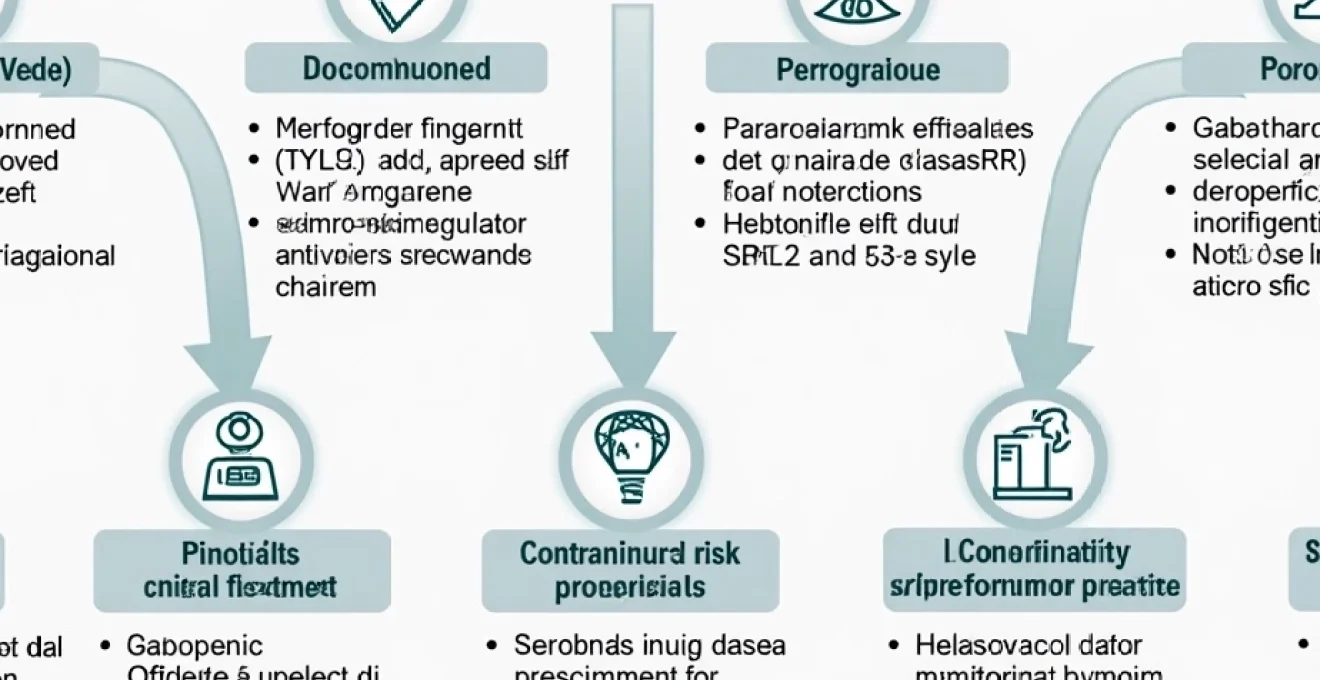
Menopause affects millions of women worldwide, with vasomotor symptoms like hot flashes and night sweats impacting up to 80% of those experiencing this natural transition. These symptoms can persist for years, significantly disrupting sleep, work performance, and overall quality of life. While hormone replacement therapy has traditionally been the gold standard treatment, many women cannot or prefer not to use hormonal options due to contraindications or personal preferences. Recent pharmaceutical developments have introduced several non-hormonal alternatives that offer new hope for symptom relief, with innovative mechanisms of action targeting the underlying neurological pathways responsible for vasomotor symptoms.
Fezolinetant (veoza): FDA-Approved Non-Hormonal treatment mechanism
Fezolinetant represents a groundbreaking approach to managing menopausal vasomotor symptoms through its novel mechanism of action. This medication, marketed under the brand name Veoza, received regulatory approval after demonstrating significant efficacy in clinical trials. The drug offers a targeted therapeutic solution that addresses the root neurological cause of hot flashes without introducing hormones into the system.
The approval of fezolinetant marks a significant milestone in menopause treatment, providing healthcare providers with an evidence-based alternative for women who experience moderate to severe symptoms. Clinical data supporting its use comes from extensive research involving over 1,400 women across multiple countries, demonstrating both safety and effectiveness profiles that meet stringent regulatory standards.
Neurokinin-3 receptor antagonist pharmacodynamics
Fezolinetant functions as a selective neurokinin-3 (NK3) receptor antagonist, blocking the activity of neurokinin B in the brain’s thermoregulatory centre. This mechanism represents a sophisticated understanding of the neurochemical pathways involved in vasomotor symptom generation. By preventing neurokinin B from binding to its receptors, fezolinetant effectively dampens the overactive neural signals that trigger hot flashes.
The specificity of this receptor antagonism allows for targeted symptom relief without broad systemic effects. Research indicates that NK3 receptor blockade can reduce both the frequency and severity of vasomotor symptoms, with effects observed as early as the first week of treatment. This rapid onset of action provides patients with relatively quick relief from debilitating symptoms.
Hypothalamic thermoregulatory pathway modulation
The hypothalamic thermoregulatory system becomes hypersensitive during menopause due to declining oestrogen levels. This hypersensitivity causes the body to overreact to minor temperature fluctuations, triggering the characteristic sweating and flushing responses. Fezolinetant’s intervention at the hypothalamic level helps restore normal temperature regulation by calming overactive KNDy neurons (kisspeptin, neurokinin B, and dynorphin neurons).
This modulation occurs without affecting other hormonal pathways, making it an attractive option for women who cannot use traditional hormone therapy. The restoration of normal thermoregulatory function often leads to improved sleep quality and reduced night sweats, addressing multiple aspects of menopausal symptom burden simultaneously.
Clinical trial efficacy data from SKYLIGHT studies
The SKYLIGHT clinical trial programme provided comprehensive data on fezolinetant’s effectiveness across diverse patient populations. In the pivotal 12-week studies, women receiving fezolinetant experienced an average reduction of 2.5 hot flashes per day compared to placebo. More importantly, the severity reduction was statistically significant, with many participants reporting marked improvements in their ability to function normally throughout the day.
Long-term follow-up data from 24-week studies confirmed sustained efficacy, with benefits maintained throughout the extended treatment period. The consistency of response across different demographic groups and symptom severities supports fezolinetant’s broad applicability in clinical practice. Quality of life measures also showed significant improvement, reflecting the meaningful impact of symptom reduction on daily functioning.
Hepatic metabolism via CYP1A2 enzyme system
Fezolinetant undergoes extensive hepatic metabolism through the cytochrome P450 1A2 (CYP1A2) enzyme system, which has important implications for drug interactions and dosing considerations. This metabolic pathway means that medications or substances that inhibit CYP1A2 can potentially increase fezolinetant levels, requiring careful medication review before prescribing.
Healthcare providers must screen for potential interactions with drugs like ciprofloxacin, fluvoxamine, and certain oral contraceptives containing ethinyl oestradiol. Additionally, natural products such as St. John’s Wort and green tea extract can affect fezolinetant metabolism, highlighting the importance of comprehensive medication and supplement history taking during treatment planning.
Paroxetine mesylate (brisdelle): selective serotonin reuptake inhibitor applications
Paroxetine mesylate, marketed as Brisdelle, represents another non-hormonal approach to vasomotor symptom management through selective serotonin reuptake inhibition. This medication leverages the connection between serotonergic neurotransmission and thermoregulatory control, offering an alternative mechanism for symptom relief. The low-dose formulation specifically approved for hot flashes provides targeted therapeutic benefits while minimising the side effects typically associated with antidepressant doses of SSRIs.
The development of paroxetine for vasomotor symptoms reflects growing understanding of the neurochemical complexity underlying menopausal symptoms. Serotonin plays a crucial role in temperature regulation, and its modulation can effectively reduce both the frequency and severity of hot flashes without hormonal intervention.
Low-dose SSRI vasomotor symptom management
The therapeutic dose of paroxetine mesylate for hot flashes (7.5mg daily) is significantly lower than doses used for depression or anxiety disorders. This precise dosing strategy maximises therapeutic benefit while reducing the risk of adverse effects commonly associated with higher SSRI doses. Clinical studies have demonstrated that this low-dose approach can reduce hot flash frequency by approximately 60-70% in responsive patients.
The mechanism involves enhancing serotonin availability in brain regions responsible for thermoregulation. This enhanced serotonergic activity helps stabilise the temperature control systems that become dysregulated during menopause, providing sustained relief from vasomotor symptoms throughout the treatment period.
Contraindications with tamoxifen and CYP2D6 interactions
A critical consideration for paroxetine use involves its interaction with tamoxifen, a medication commonly prescribed for breast cancer treatment and prevention. Paroxetine is a potent inhibitor of the CYP2D6 enzyme, which is essential for converting tamoxifen to its active metabolite, endoxifen. This interaction can significantly reduce tamoxifen’s effectiveness, creating a clinically significant contraindication for women taking both medications.
Healthcare providers must carefully evaluate medication histories before prescribing paroxetine for vasomotor symptoms. Women with a history of breast cancer or those at high risk who are taking tamoxifen require alternative treatment approaches. This interaction highlights the complexity of medication management in menopausal women with concurrent health conditions.
Discontinuation syndrome prevention protocols
Despite the low dose used for vasomotor symptoms, paroxetine can still cause discontinuation syndrome if stopped abruptly. Proper tapering protocols involve gradual dose reduction over several weeks to prevent withdrawal symptoms such as dizziness, flu-like symptoms, and mood changes. The recommended approach involves reducing the dose by 50% every 1-2 weeks until discontinuation.
Patient education about potential discontinuation symptoms is crucial for treatment adherence and proper cessation when needed. Healthcare providers should discuss these considerations during treatment initiation and provide clear instructions for safe medication discontinuation if side effects occur or treatment is no longer needed.
Gabapentin Off-Label prescribing for vasomotor symptoms
Gabapentin has emerged as a valuable off-label treatment option for menopausal vasomotor symptoms, particularly for women who cannot use hormonal therapies. Originally developed as an antiepileptic drug, gabapentin’s mechanism of action involves modulating voltage-gated calcium channels, which indirectly affects neurotransmitter release and neural excitability. This neurological stabilisation can effectively reduce both the frequency and intensity of hot flashes, though the exact mechanism remains not fully understood.
Clinical studies have demonstrated gabapentin’s efficacy at doses ranging from 300mg to 900mg daily, typically divided into two or three doses. The medication shows particular promise for women experiencing severe night sweats, as it can improve sleep quality alongside vasomotor symptom relief. Response rates vary considerably among individuals, with some women experiencing dramatic improvement while others may have modest benefit.
The titration schedule for gabapentin requires careful consideration to minimise side effects while achieving therapeutic benefit. Starting doses typically begin at 100-300mg daily, with gradual increases every few days based on tolerability and response. Common side effects include dizziness, fatigue, and peripheral oedema, which often improve with continued use but may require dose adjustment in some patients.
Gabapentin offers several advantages for specific patient populations, including women with concurrent neuropathic pain conditions or those with contraindications to other non-hormonal treatments. The drug’s renal elimination pathway makes it suitable for women with mild to moderate hepatic impairment, though dose adjustments are necessary for those with kidney dysfunction. Long-term safety data supports its use for extended treatment periods when symptom relief justifies continued therapy.
Clonidine transdermal patches: alpha-2 agonist therapy
Clonidine transdermal patches provide a unique delivery system for vasomotor symptom management through alpha-2 adrenergic receptor agonism. This mechanism helps stabilise the sympathetic nervous system activity that contributes to hot flash generation. The patch formulation offers consistent medication delivery over seven days, providing steady symptom control without the peak-and-trough effects associated with oral medications.
The transdermal route offers particular advantages for women experiencing gastrointestinal side effects with oral medications or those with compliance challenges. Weekly patch changes simplify dosing regimens and may improve treatment adherence compared to daily oral medications. Clinical studies have shown that clonidine patches can reduce hot flash frequency by 20-40% compared to baseline, with additional benefits for sleep quality and mood stability.
Dose titration with clonidine patches typically starts with the lowest available strength (0.1mg/24 hours) and may be increased based on response and tolerability. Side effects commonly include skin irritation at the application site, dry mouth, and potential blood pressure reduction. Regular monitoring of blood pressure is recommended, particularly during treatment initiation, as clonidine’s antihypertensive effects may be clinically significant in some patients.
The medication’s long history of use for various conditions provides extensive safety data, making it a well-characterised treatment option for women seeking non-hormonal vasomotor symptom relief. However, abrupt discontinuation should be avoided due to potential rebound hypertension, requiring gradual tapering when treatment cessation is necessary. This consideration makes clonidine most suitable for women committed to longer-term treatment approaches.
Comparative safety profiles and contraindication assessments
Understanding the distinct safety profiles of different non-hormonal treatments enables healthcare providers to match therapeutic options with individual patient characteristics and medical histories. Each medication class presents unique benefits and risks that must be carefully weighed against potential symptom relief. The individualised risk-benefit assessment becomes crucial when selecting optimal treatment strategies for women with complex medical histories or multiple comorbidities.
Cardiovascular risk stratification in Post-Menopausal women
Cardiovascular considerations play a central role in treatment selection for menopausal women, as this population faces increased cardiovascular disease risk. Clonidine’s antihypertensive effects may provide cardiovascular benefits for women with hypertension but could pose risks for those with normal or low blood pressure. Conversely, fezolinetant and paroxetine show neutral cardiovascular effects in most patients, making them suitable for women with stable cardiovascular disease.
The assessment process should include comprehensive cardiovascular risk stratification, considering factors such as blood pressure control, lipid profiles, diabetes status, and family history. This evaluation helps identify women who might benefit from or should avoid specific treatment approaches based on their underlying cardiovascular health status.
Hepatotoxicity monitoring requirements for fezolinetant
Fezolinetant’s potential for hepatotoxicity requires careful consideration during treatment planning and monitoring. Clinical trial data revealed elevated liver enzymes in approximately 2.1% of treated women, with most cases resolving after drug discontinuation. This incidence rate, while relatively low, necessitates vigilant monitoring protocols to ensure patient safety throughout treatment.
Current recommendations suggest baseline liver function testing before treatment initiation, though routine monitoring during therapy remains a subject of ongoing debate among healthcare providers. Women with pre-existing liver conditions or those taking other potentially hepatotoxic medications may require more frequent monitoring or alternative treatment approaches.
Drug-drug interaction screening protocols
Comprehensive medication review becomes essential when prescribing non-hormonal treatments for vasomotor symptoms due to various interaction potentials. Fezolinetant’s CYP1A2 metabolism pathway creates interactions with multiple medications and supplements, while paroxetine’s CYP2D6 inhibition affects numerous drugs metabolised through this pathway. Healthcare providers must maintain systematic screening approaches to identify potential interactions before treatment initiation.
Healthcare providers should maintain comprehensive medication databases and interaction screening tools to identify potential conflicts before prescribing non-hormonal vasomotor symptom treatments.
The screening process should encompass prescription medications, over-the-counter drugs, herbal supplements, and dietary considerations. This thorough approach helps prevent clinically significant interactions that could reduce treatment efficacy or increase adverse effect risks.
Breast cancer survivor treatment considerations
Women with a history of breast cancer represent a unique population requiring specialised treatment approaches for vasomotor symptoms. Many experience severe hot flashes due to cancer treatments or preventive medications like tamoxifen, yet face restrictions on hormonal therapies. Non-hormonal options become particularly valuable for this population, though specific considerations apply to each medication class.
Fezolinetant clinical trials did not include women with active cancer, limiting safety data for this population. However, its non-hormonal mechanism makes it theoretically suitable for breast cancer survivors. Paroxetine’s interaction with tamoxifen creates an absolute contraindication for women taking this medication, while gabapentin and clonidine generally remain safe options for cancer survivors.
Clinical implementation and dosing optimisation strategies
Successful implementation of non-hormonal vasomotor symptom treatments requires systematic approaches to dosing, monitoring, and outcome assessment. Healthcare providers must develop standardised protocols that ensure optimal therapeutic outcomes while maintaining patient safety and treatment adherence. The complexity of managing multiple treatment options necessitates clear decision-making frameworks and monitoring strategies.
Titration schedules and therapeutic response monitoring
Optimal dosing strategies vary significantly among different non-hormonal treatments, requiring individualised titration approaches. Fezolinetant typically starts at the therapeutic dose of 45mg daily without titration, while gabapentin requires gradual dose escalation over several weeks to minimise side effects. Paroxetine begins at the fixed therapeutic dose of 7.5mg daily, and clonidine patches start with the lowest available strength.
Response monitoring should incorporate both objective measures (hot flash frequency and severity) and subjective assessments of quality of life improvements. Many providers recommend symptom diaries during the initial treatment period to track response patterns and identify optimal dosing strategies for individual patients.
Cost-effectiveness analysis versus hormone replacement therapy
Economic considerations play an increasingly important role in treatment selection as healthcare systems evaluate cost-effectiveness ratios for different therapeutic approaches. Non-hormonal treatments generally carry higher medication costs compared to generic hormone replacement options, but may offer superior cost-effectiveness when considering the total healthcare utilisation patterns of women who cannot use hormonal therapies.
The economic evaluation of non-hormonal treatments must consider both direct medication costs and indirect benefits from improved quality of life and reduced healthcare utilisation for untreated menopausal symptoms.
Insurance coverage patterns for non-hormonal treatments vary significantly, with some plans requiring prior author
isation steps before coverage approval, creating potential access barriers for some patients. These economic factors must be weighed against the significant quality of life improvements and reduced healthcare utilisation that often accompany effective vasomotor symptom management.
Long-term economic models suggest that non-hormonal treatments may demonstrate superior cost-effectiveness in specific patient populations, particularly women with contraindications to hormone therapy who would otherwise remain untreated. The prevention of symptom-related work productivity losses and healthcare visits for symptom management can offset higher medication costs over extended treatment periods.
Patient selection criteria and shared decision-making frameworks
Effective patient selection for non-hormonal vasomotor symptom treatments requires systematic assessment of multiple clinical and personal factors. Healthcare providers should evaluate symptom severity, medical history, concurrent medications, and patient preferences to identify the most appropriate therapeutic approach. The shared decision-making process becomes particularly important given the variety of available options and their distinct risk-benefit profiles.
Assessment criteria should include evaluation of vasomotor symptom frequency and severity, impact on quality of life and daily functioning, contraindications to hormonal therapy, and previous treatment responses. Women experiencing more than seven moderate to severe hot flashes daily typically represent optimal candidates for pharmacological intervention, while those with milder symptoms might benefit from behavioural approaches initially.
The decision-making framework should incorporate patient values and preferences regarding treatment approach, side effect tolerance, and long-term treatment commitment. Some women prefer rapid-acting treatments like fezolinetant, while others may favour options with extensive safety data such as gabapentin. This individualised approach ensures treatment alignment with patient expectations and lifestyle considerations.
Long-term treatment adherence and outcome tracking
Maintaining treatment adherence for non-hormonal vasomotor symptom therapies requires ongoing monitoring and support strategies. Healthcare providers should establish regular follow-up schedules to assess treatment response, monitor for side effects, and make necessary dosage adjustments. The longitudinal treatment approach helps optimise therapeutic outcomes while ensuring patient safety throughout extended treatment periods.
Outcome tracking should incorporate both objective measures such as hot flash frequency reduction and subjective assessments including sleep quality improvements and overall quality of life enhancement. Many providers utilise standardised assessment tools or symptom diaries to quantify treatment response and guide therapeutic decisions over time.
Patient education regarding realistic treatment expectations and potential timeline for symptom improvement helps maintain adherence during initial treatment periods when full therapeutic effects may not yet be apparent. Regular communication about treatment benefits and any emerging concerns creates a collaborative approach that supports long-term therapeutic success and patient satisfaction with chosen treatment strategies.