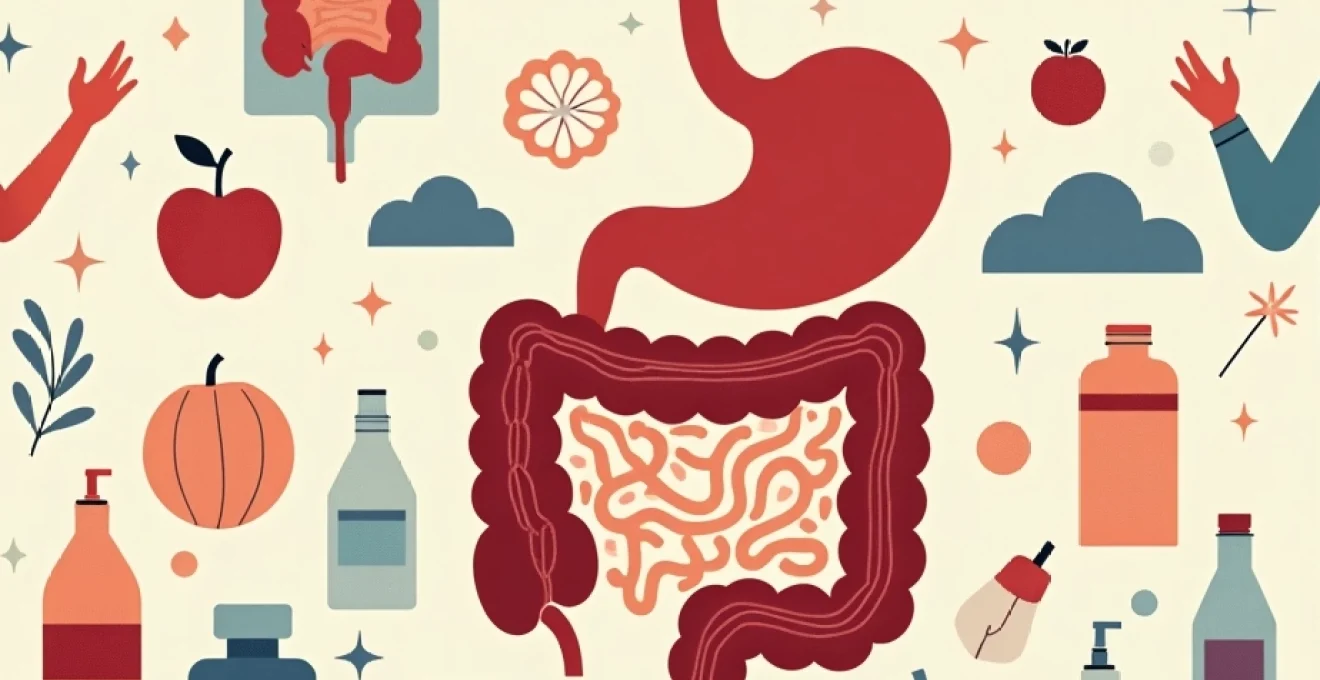
The global colon cleansing market has witnessed unprecedented growth, with millions of consumers seeking quick fixes for digestive discomfort, bloating, and perceived toxin accumulation. High-street pharmacies and online retailers now stock an overwhelming array of over-the-counter gut cleansing products, each promising dramatic health transformations. Yet beneath the glossy marketing claims lies a complex landscape of scientific evidence, physiological mechanisms, and potential health implications that demand careful examination.
This surge in popularity reflects modern society’s growing awareness of gut health’s importance, coupled with increasing skepticism about traditional medicine’s approach to digestive wellness. However, the question remains: do these readily available products deliver on their ambitious promises, or do they represent expensive placebos with potentially harmful side effects?
Pharmacological mechanisms of popular OTC colon cleansing products
Understanding how over-the-counter gut cleansing products function requires examining their active ingredients and pharmacological pathways. Most commercial formulations rely on established laxative mechanisms that have been studied extensively in clinical settings. These products typically fall into four primary categories: osmotic agents, bulk-forming substances, stimulant laxatives, and combination formulas that blend multiple approaches for purported enhanced effectiveness.
The effectiveness of any colon cleansing product depends largely on its ability to increase water content in the intestinal tract, stimulate peristalsis, or bulk up stool consistency. However, the duration and intensity of these effects vary significantly between different formulations, creating confusion among consumers about which products might suit their specific needs.
Magnesium-based laxatives: milk of magnesia and epsom salt formulations
Magnesium-based laxatives represent one of the most commonly used osmotic agents in over-the-counter gut cleansing products. Magnesium hydroxide (milk of magnesia) and magnesium sulfate (Epsom salt) work by drawing water into the intestinal lumen through osmotic pressure. This mechanism creates a rapid onset of bowel movements, typically within 30 minutes to 6 hours of ingestion.
Clinical studies demonstrate that magnesium-based products achieve bowel evacuation rates exceeding 85% when used according to manufacturer instructions. However, the electrolyte imbalances they can create pose significant risks, particularly for individuals with kidney dysfunction or cardiovascular conditions. The body’s natural magnesium regulation can become disrupted with frequent use, leading to hypermagnesemia in susceptible populations.
Psyllium husk and methylcellulose Bulk-Forming agents
Bulk-forming agents like psyllium husk and methylcellulose operate through an entirely different mechanism compared to osmotic laxatives. These soluble fibres absorb water in the digestive tract, expanding to create larger, softer stools that stimulate natural peristaltic movements. Unlike harsh stimulant laxatives, bulk-forming agents typically produce gentler, more predictable bowel movements that closely mimic natural digestive processes.
Research indicates that psyllium husk can increase stool weight by up to 3.4 grams per gram of psyllium consumed. This substantial bulking effect not only promotes regularity but may also help maintain beneficial gut bacteria populations. However, inadequate fluid intake with these products can paradoxically worsen constipation, creating impacted stool masses that require medical intervention.
Senna alexandrina and cascara sagrada stimulant laxative properties
Stimulant laxatives containing senna alexandrina or cascara sagrada represent the most potent category of over-the-counter gut cleansing ingredients. These botanical compounds directly irritate the intestinal mucosa, triggering powerful contractions that can produce dramatic bowel movements within 6-12 hours. The active compounds, primarily anthraquinones, bind to specific receptors in the enteric nervous system.
While effective for acute constipation relief, regular use of stimulant laxatives can lead to tolerance and dependency. Studies show that chronic senna use may damage the myenteric plexus, the nerve network controlling intestinal motility. This structural damage can create a cycle where increasingly higher doses become necessary to achieve the same cleansing effect.
Polyethylene glycol solutions and osmotic cleansing efficacy
Polyethylene glycol (PEG) solutions have gained popularity in consumer gut cleansing products due to their proven efficacy in medical colonoscopy preparation. These synthetic polymers create osmotic pressure without significant electrolyte absorption, theoretically reducing the risk of dangerous fluid and electrolyte imbalances. PEG-based cleanses can effectively clear the colon of faecal matter within 4-6 hours.
However, the volume requirements for effective PEG cleansing often exceed what consumers find tolerable. Medical-grade preparations typically require consuming 2-4 litres of solution, while consumer products often contain insufficient concentrations to achieve complete colon evacuation. This dilution may provide a false sense of cleansing effectiveness while delivering minimal actual benefit.
Clinical evidence and Peer-Reviewed research on detox cleanse efficacy
The scientific literature surrounding commercial gut cleansing products presents a complex picture that often contradicts marketing claims. Peer-reviewed research consistently demonstrates that healthy individuals possess robust natural detoxification systems that rarely require external intervention. The liver, kidneys, and gastrointestinal tract work synergistically to eliminate waste products and maintain homeostasis without additional “cleansing” support.
Most clinical studies examining colon cleansing focus on medical applications rather than consumer wellness products. This research gap creates significant challenges when attempting to evaluate the real-world effectiveness of over-the-counter formulations. The studies that do exist often reveal concerning disconnects between consumer expectations and actual physiological outcomes.
Systematic reviews of commercial products like colon broom and super colon cleanse
Systematic reviews examining popular commercial gut cleansing brands reveal a troubling lack of high-quality clinical evidence supporting their health claims. A 2019 analysis of 20 leading colon cleansing products found that fewer than 30% had conducted any form of clinical testing on their specific formulations. Products like Colon Broom, which primarily contains psyllium husk and citric acid, rely on ingredient research rather than product-specific studies.
The few studies that do exist often suffer from significant methodological flaws, including small sample sizes, lack of proper control groups, and short follow-up periods. Many manufacturers fund their own research, creating potential conflicts of interest that may influence study design and interpretation. This evidence deficit makes it challenging for healthcare providers to offer evidence-based guidance about these products.
Gastroenterology studies on intestinal flora disruption Post-Cleansing
Perhaps the most concerning finding from recent gastroenterology research involves the impact of intensive gut cleansing on intestinal microbiome diversity. Studies using advanced DNA sequencing techniques demonstrate that aggressive colon cleansing can reduce beneficial bacterial populations by up to 50% within 48 hours. This microbiome disruption may persist for weeks or months after a single cleansing episode.
The loss of protective bacterial strains like Lactobacillus and Bifidobacterium can create opportunities for pathogenic organisms to establish infections. Research published in the Journal of Clinical Gastroenterology found that individuals who performed frequent colon cleansing showed increased susceptibility to Clostridioides difficile infections. The ecological disruption created by these products may cause more harm than the perceived benefits they provide.
Hepatic detoxification pathways and gastrointestinal intervention limitations
Understanding hepatic detoxification pathways reveals fundamental limitations in the gut cleansing approach to toxin removal. The liver’s Phase I and Phase II detoxification systems process the vast majority of environmental toxins and metabolic waste products. These sophisticated enzymatic pathways operate continuously and require specific cofactors and nutrients rather than periodic “cleansing” interventions.
Colon cleansing products cannot directly influence hepatic detoxification capacity or enhance the liver’s natural functions. While some manufacturers claim their products support liver health, the gastrointestinal tract serves primarily as an elimination pathway rather than a detoxification organ. This mechanistic disconnect challenges the fundamental premise underlying most commercial gut cleansing products.
Randomised controlled trials comparing cleanse protocols to placebo
The limited number of randomised controlled trials examining gut cleansing protocols consistently fail to demonstrate meaningful health benefits beyond temporary symptom relief. A landmark 2020 study comparing three popular cleansing regimens to placebo found no significant differences in energy levels, mood, or digestive function after 30 days. Participants in both treatment and control groups reported similar improvements in perceived wellness.
These findings suggest that many benefits attributed to gut cleansing may result from placebo effects, dietary modifications, or lifestyle changes that accompany cleanse protocols. The psychological impact of taking proactive steps toward health improvement may account for much of the satisfaction consumers report with these products.
Gastrointestinal physiology and natural detoxification processes
The human gastrointestinal system represents one of nature’s most sophisticated waste management and nutrient processing systems. The colon naturally eliminates waste products through coordinated muscular contractions called peristalsis, while beneficial bacteria ferment undigested carbohydrates into short-chain fatty acids that nourish intestinal cells. This intricate ecosystem maintains itself through complex feedback mechanisms that respond to dietary changes, stress levels, and overall health status.
Understanding normal physiological processes reveals why external cleansing interventions may be unnecessary for most individuals. The intestinal mucosa regenerates completely every 3-5 days, constantly renewing its protective barrier function. Mucus production creates a natural lubricant that facilitates waste elimination, while specialised immune cells patrol the gut lining to prevent harmful bacterial overgrowth. These self-maintaining systems operate efficiently without requiring periodic “resets” or intensive cleansing protocols.
The concept of accumulated toxins requiring removal contradicts current understanding of intestinal physiology. Unlike popular claims about waste buildup, healthy colons do not store significant amounts of old faecal matter. Transit times typically range from 12-72 hours, ensuring that waste products move through the system at appropriate rates. When constipation occurs, addressing underlying causes through dietary fibre, hydration, and physical activity proves more effective than aggressive cleansing interventions.
Natural detoxification pathways extend far beyond the gastrointestinal tract, involving complex interactions between multiple organ systems. The kidneys filter blood continuously, removing water-soluble toxins through urine production. The lungs eliminate volatile compounds through respiration, while the skin provides a third route for waste elimination through sweat. This multi-organ approach ensures redundancy and efficiency in toxin removal that cannot be replicated by focusing solely on colon cleansing.
Contraindications and adverse effects of unsupervised gut cleansing
The seemingly benign nature of over-the-counter gut cleansing products masks significant potential for adverse effects, particularly when used without proper medical supervision. Electrolyte imbalances represent the most immediate and serious risk, with documented cases of severe dehydration, kidney dysfunction, and cardiac arrhythmias following intensive cleansing protocols. These complications can develop rapidly, especially in vulnerable populations including elderly individuals, pregnant women, and those with chronic medical conditions.
Mechanical complications pose another serious concern, particularly with enema-based or high-volume cleansing approaches. Bowel perforation, though rare, can occur when excessive pressure or irritating substances damage the intestinal wall. Even minor mucosal injuries can provide entry points for bacterial infections, potentially leading to sepsis in severe cases. The risk-benefit ratio becomes particularly unfavourable when considering these potential complications against the limited proven benefits of consumer cleansing products.
Healthcare professionals increasingly report seeing patients with complications from unsupervised gut cleansing, ranging from mild dehydration to life-threatening electrolyte imbalances that require hospitalisation.
Medication interactions present additional hazards that many consumers fail to consider. Intensive cleansing can accelerate the elimination of oral medications, potentially reducing their effectiveness or creating dangerous fluctuations in blood levels. This concern proves particularly relevant for individuals taking medications with narrow therapeutic windows, such as warfarin, digoxin, or lithium. The unpredictable absorption patterns created by gut cleansing can compromise treatment efficacy for serious medical conditions.
Psychological dependency on cleansing products represents a subtler but equally concerning long-term risk. Some individuals develop compulsive cleansing behaviours, believing they cannot maintain normal digestive function without regular product use. This psychological reliance can evolve into disordered eating patterns or body dysmorphia related to perceived toxin accumulation. The marketing messages promoting frequent cleansing may inadvertently contribute to these problematic relationships with body image and digestive health.
Certain medical conditions create absolute contraindications for gut cleansing products. Inflammatory bowel disease, bowel obstruction, severe haemorrhoids, and recent bowel surgery all represent situations where cleansing could cause serious harm. Additionally, individuals with eating disorders, electrolyte abnormalities, or kidney disease should avoid these products entirely. The lack of screening protocols in over-the-counter sales means that many consumers with contraindications unknowingly expose themselves to unnecessary risks.
Medical professional perspectives from gastroenterology and hepatology specialists
Gastroenterology specialists consistently express concern about the growing popularity of commercial gut cleansing products, citing the disconnect between marketing claims and scientific evidence. Professional medical organisations, including the American Gastroenterological Association and British Society of Gastroenterology, have issued statements cautioning against routine colon cleansing for healthy individuals. These position papers emphasise that no credible evidence supports claims about improved health or disease prevention through periodic gut cleansing.
Hepatology experts particularly question claims about enhanced detoxification, noting that the liver’s sophisticated enzymatic systems cannot be improved through colon cleansing interventions. The concept of accumulated toxins requiring removal contradicts fundamental understanding of hepatic metabolism and clearance mechanisms. When patients present with concerns about toxin buildup, liver specialists typically recommend optimising nutrition, maintaining adequate hydration, and addressing any underlying liver dysfunction rather than pursuing cleansing protocols.
The human body has evolved remarkably efficient detoxification systems that operate continuously without requiring external intervention. Claims about accumulated toxins needing periodic removal through cleansing products lack scientific foundation.
Clinical gastroenterologists report increasing numbers of patients seeking advice about gut cleansing products, often after experiencing adverse effects or disappointing results. Many patients express confusion about conflicting information from healthcare providers and marketing materials. This communication gap highlights the need for more proactive education about normal digestive physiology and the limited role of cleansing interventions in maintaining gut health.
Emergency medicine physicians have documented rising cases of complications related to over-the-counter gut cleansing, particularly among individuals who combine multiple products or exceed recommended dosages. These presentations often involve severe dehydration, electrolyte abnormalities, and occasionally more serious complications requiring intensive care management. The increasing frequency of these cases has prompted calls for enhanced regulation and consumer education about potential risks.
Preventive medicine specialists advocate for evidence-based approaches to digestive health that focus on sustainable lifestyle modifications rather than periodic cleansing interventions. Regular physical activity, adequate fibre intake, stress management, and maintaining healthy sleep patterns provide proven benefits for gut function without the risks associated with commercial cleansing products. These professionals emphasise that true digestive wellness emerges from consistent healthy habits rather than intensive short-term interventions that may disrupt normal physiological processes.