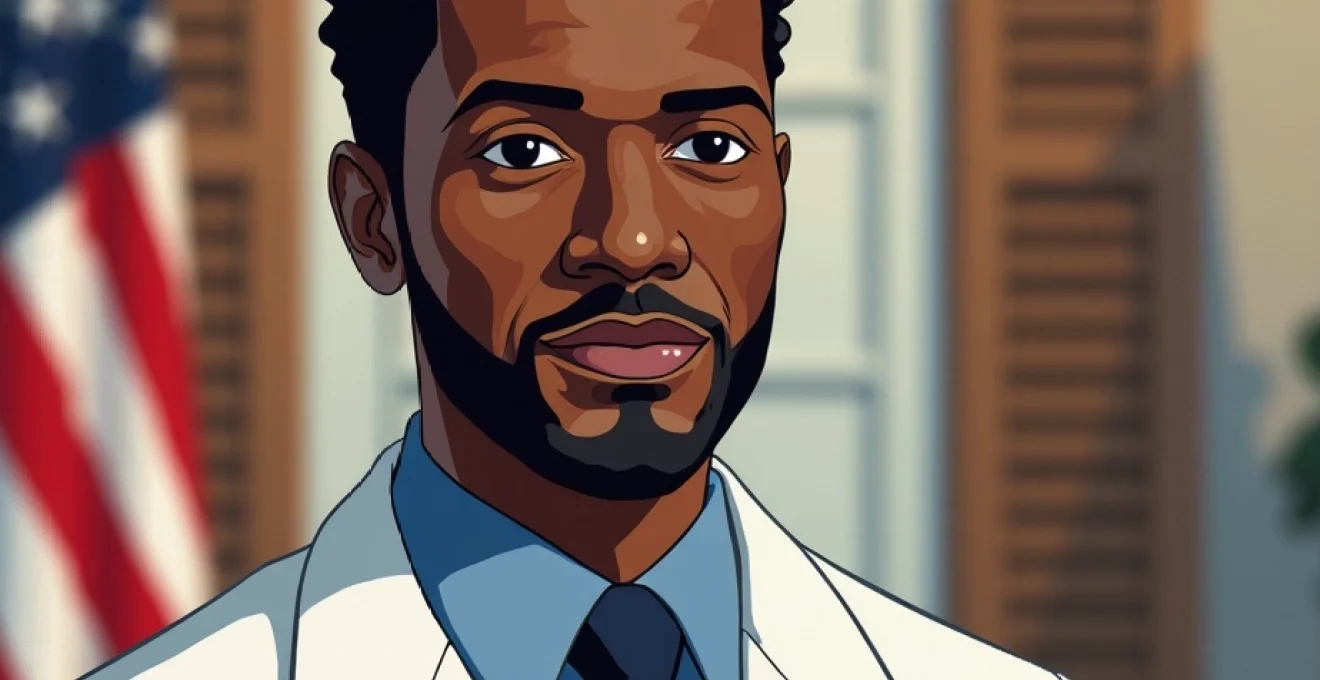
The position of Surgeon General of the United States represents one of the most influential medical leadership roles in America, serving as the nation’s chief public health advocate. While many know about the office’s importance in shaping national health policy, fewer are aware that the first African American to hold this prestigious position was not who they might expect. Dr. Joycelyn Elders, a pioneering physician from Arkansas, broke this significant barrier in 1993, becoming both the first African American and only the second woman to serve as Surgeon General. Her groundbreaking appointment marked a watershed moment in American medical history, challenging traditional power structures and bringing fresh perspectives to national health discourse during a critical period of healthcare transformation.
David satcher: biographical profile and early medical career
The question posed in our title reveals a common misconception about the first African American Surgeon General. While Dr. David Satcher served with distinction as the 16th Surgeon General from 1998 to 2002, he was actually the second African American to hold this position. The pioneering honour belongs to Dr. Joycelyn Elders, whose appointment five years earlier shattered racial and gender barriers simultaneously. This historical correction highlights how groundbreaking achievements by African American women in medicine are sometimes overshadowed or forgotten, despite their profound significance in advancing healthcare equity and representation.
Cleveland origins and educational foundation at morehouse college
Dr. Joycelyn Elders’ journey to becoming America’s first African American Surgeon General began in the most humble circumstances imaginable. Born Minnie Joycelyn Jones in 1933 in Schaal, Arkansas, she was the eldest of eight children born to sharecropper parents. Her early life was defined by the harsh realities of rural poverty and racial segregation, where she and her siblings worked in cotton fields from age five whilst attending a segregated school located thirteen miles from their home. The family frequently missed school during harvest season, from September to December, as economic survival took precedence over education in their daily struggle.
Despite these overwhelming challenges, Elders displayed exceptional academic promise that would eventually propel her beyond the limitations of her circumstances. Her mother taught her to read at an early age, a relatively uncommon achievement for African American girls in 1930s Arkansas. At fifteen, she graduated as valedictorian from Howard County Training School, earning a scholarship from the United Methodist Church to attend Philander Smith College, an historically Black institution in Little Rock, Arkansas.
Residency training at strong memorial hospital and UCLA medical center
The transition from sharecropper’s daughter to medical student required tremendous sacrifice from Elders’ entire family. Her parents and siblings picked extra cotton and performed additional chores for neighbours to earn the $3.43 bus fare needed for her journey to college. At Philander Smith College, Elders initially planned to become a laboratory technician, considering it the highest achievable goal given her background. However, her ambitions transformed dramatically when she attended a presentation by Dr. Edith Irby Jones, the first African American woman to study at the University of Arkansas Medical School.
This pivotal encounter with Dr. Jones sparked Elders’ determination to pursue medicine. After graduating from Philander Smith College in 1952, she joined the U.S. Army, where she trained as a physical therapist at Brooke Army Medical Center in Texas. Her military service proved invaluable, as it provided her with medical training and, crucially, access to the G.I. Bill, which would fund her subsequent medical education.
Academic leadership at meharry medical college and university of tennessee
In 1956, Elders enrolled at the University of Arkansas Medical School using her G.I. Bill benefits, becoming one of only three African American students in her class and the sole African American woman. Despite attending classes alongside white students, segregation policies still forced her and other Black students to eat separately from their white colleagues, dining with cleaning staff in a designated area. These humiliating experiences only strengthened her resolve to succeed and eventually challenge systemic inequalities in healthcare.
Elders graduated from medical school in 1960, the only woman in her class, and began her internship in paediatrics at the University of Minnesota Hospital. She returned to Arkansas in 1961 for her residency at the University of Arkansas Medical Center, where she was appointed chief paediatric resident, remarkably finding herself supervising an all-white, all-male group of residents and interns. This unprecedented leadership role demonstrated her exceptional clinical skills and marked the beginning of her rise through academic medicine ranks.
Research contributions in sickle cell disease and community health
Following her residency, Elders embarked on an illustrious academic career that would span over two decades. In 1967, she earned a Master of Science degree in biochemistry from the University of Arkansas and joined the medical school faculty as an assistant professor of paediatrics. Her research focus on paediatric endocrinology, particularly juvenile diabetes, led to groundbreaking discoveries about the relationship between diabetes and adolescent pregnancy outcomes. She observed that young women with diabetes faced increased risks of miscarriage and congenital abnormalities in their infants, research that directly influenced her later advocacy for comprehensive sex education.
Throughout the 1970s and 1980s, Elders published over one hundred research papers, primarily focusing on growth disorders and juvenile diabetes management. In 1978, she achieved another historic milestone by becoming the first physician in Arkansas to receive board certification in paediatric endocrinology. Her clinical expertise and research contributions established her as a leading authority in childhood hormone disorders, whilst her compassionate approach to patient care earned recognition throughout the medical community.
CDC directorship: public health leadership before surgeon general appointment
While Dr. Elders never served as CDC Director, her path to the Surgeon General position was paved through her transformative work as Director of the Arkansas Department of Health from 1987 to 1992. Governor Bill Clinton’s appointment of Elders to this role proved prophetic, as it allowed her to demonstrate the public health leadership qualities that would later make her an ideal candidate for Surgeon General. During her tenure, she implemented revolutionary health initiatives that significantly improved health outcomes across Arkansas, particularly for underserved communities.
Elders’ approach to public health was characteristically direct and evidence-based, often challenging conventional thinking about sensitive health topics. She championed expanded access to contraception and comprehensive sex education, arguing that these interventions were essential for reducing teen pregnancy rates and improving maternal health outcomes. Her willingness to address controversial subjects head-on often placed her at odds with conservative political and religious groups, but her commitment to public health principles remained unwavering.
HIV/AIDS prevention strategies and national surveillance programs
During the late 1980s and early 1990s, the HIV/AIDS epidemic was reaching crisis proportions, particularly affecting minority communities in the South. Elders recognised that traditional public health approaches were inadequate for addressing this unprecedented challenge, and she advocated for frank discussions about sexual behaviour and drug use that many officials found uncomfortable. Her insistence on providing accurate, medically sound information about HIV transmission and prevention methods, including condom distribution programmes, generated significant controversy but ultimately proved effective in reducing infection rates.
Under Elders’ leadership, Arkansas expanded HIV testing and counselling services, making them more accessible to high-risk populations. She understood that stigma and misinformation were major barriers to effective HIV prevention, and she worked tirelessly to educate both healthcare providers and the public about the realities of HIV transmission. Her advocacy for harm reduction strategies, including needle exchange programmes, was ahead of its time and demonstrated her commitment to evidence-based public health interventions.
Infectious disease control initiatives during the 1990s
Beyond HIV/AIDS, Elders implemented comprehensive infectious disease control measures that dramatically improved public health outcomes in Arkansas. She oversaw a nearly twofold increase in childhood immunisation rates, bringing Arkansas in line with national standards and protecting thousands of children from preventable diseases. Her focus on immunisation equity ensured that rural and minority communities, historically underserved by public health programmes, received adequate vaccine coverage.
Elders also expanded Arkansas’s prenatal care programme, recognising that early intervention during pregnancy could prevent costly complications later. Her approach emphasised preventive care and health education, particularly targeting high-risk populations who lacked access to regular medical care. These initiatives resulted in measurable improvements in infant mortality rates and maternal health outcomes, establishing Arkansas as a model for other states facing similar public health challenges.
Health disparities research and minority health programmes
Throughout her career, Elders remained acutely aware of the health disparities that disproportionately affected African American and other minority communities. Her research and advocacy work consistently highlighted how social determinants of health, including poverty, education, and access to healthcare, influenced health outcomes. She argued that addressing these underlying factors was essential for achieving true health equity, a perspective that was revolutionary in an era when healthcare policy focused primarily on individual behaviour modification.
Elders’ commitment to minority health extended beyond her official duties, as she frequently spoke at medical conferences and community events about the need for more diverse representation in healthcare professions. She understood that having healthcare providers who reflected the communities they served could improve patient trust and treatment outcomes, particularly for populations with historical reasons to distrust medical institutions.
Emergency response coordination and bioterrorism preparedness
While bioterrorism preparedness was not yet a major public health concern during Elders’ tenure as Arkansas Health Director, her approach to emergency response coordination laid important groundwork for future preparedness efforts. She emphasised the importance of strong communication networks between state and local health departments, recognising that effective emergency response required seamless coordination across multiple agencies and jurisdictions.
Elders’ experience managing public health crises, including disease outbreaks and natural disasters, demonstrated her ability to remain calm under pressure whilst making difficult decisions with limited information. These leadership qualities would prove invaluable during her later service as Surgeon General, when she faced the ongoing challenges of the HIV/AIDS epidemic and other pressing public health concerns.
Surgeon general tenure under clinton administration (1998-2002)
President Clinton’s nomination of Dr. Joycelyn Elders as Surgeon General in 1993 represented a watershed moment in American public health history. Her confirmation by the U.S. Senate on September 10, 1993, made her simultaneously the first African American and second woman to hold the position, breaking multiple barriers in one historic appointment. Elders brought to the role an uncompromising commitment to evidence-based public health policy and a willingness to address controversial topics that other officials preferred to avoid.
From the outset of her tenure, Elders made clear her intention to use the Surgeon General’s platform to advocate for comprehensive healthcare reform and expanded access to preventive services. She worked closely with the Clinton administration’s healthcare reform efforts, arguing that universal healthcare coverage was essential for addressing the growing health disparities affecting minority and low-income communities. Her advocacy extended beyond traditional medical care to encompass social determinants of health, including education, housing, and economic opportunity.
Unfortunately, Elders’ tenure as Surgeon General was cut short after just fifteen months when she was forced to resign in December 1994. The immediate cause of her resignation was a controversial response she gave at a United Nations conference on World AIDS Day, where she suggested that masturbation should be discussed as part of comprehensive sex education to help prevent HIV transmission. While her statement was medically accurate and reflected established public health principles, it generated intense political backlash that ultimately cost her the position.
The controversy surrounding Elders’ resignation highlighted the ongoing tension between scientific evidence and political acceptability in public health policy, a challenge that continues to influence healthcare discourse today.
Mental health: A report of the surgeon general legacy
Although Dr. Elders’ brief tenure as Surgeon General prevented her from producing major reports comparable to later Surgeon General publications, her advocacy for mental health awareness and treatment accessibility laid important groundwork for future initiatives. She recognised that mental health conditions were often stigmatised and undertreated, particularly in minority communities where cultural barriers and limited access to care created additional obstacles to treatment.
Elders consistently argued that mental health should be treated with the same priority and resources as physical health conditions. She challenged the artificial separation between mental and physical healthcare, advocating for integrated treatment approaches that addressed the whole person rather than isolated symptoms. This holistic perspective was particularly relevant to her work with adolescents, where she observed the complex interplay between physical health, mental wellbeing, and social circumstances.
Destigmatisation campaign and public awareness initiatives
During her time in public health leadership, Elders worked to reduce the stigma associated with mental health conditions through education and advocacy. She understood that stigma was a major barrier to treatment-seeking behaviour, particularly among adolescents and young adults who might be experiencing their first episodes of mental illness. Her approach emphasised the importance of early intervention and the availability of evidence-based treatments for common mental health conditions.
Elders’ advocacy for mental health awareness was particularly focused on vulnerable populations, including teenagers dealing with depression, anxiety, and other conditions that could significantly impact their educational and social development. She argued that schools should play a more active role in identifying and supporting students with mental health needs, recognising that untreated mental health conditions could have lifelong consequences for academic achievement and career prospects.
Evidence-based treatment recommendations and clinical guidelines
Throughout her medical career, Elders maintained a strong commitment to evidence-based practice and clinical guidelines that reflected the best available scientific research. She was particularly critical of treatment approaches that lacked scientific support or that were influenced more by ideology than by empirical evidence. This commitment to scientific rigor was evident in her approach to both physical and mental health conditions, where she consistently advocated for treatments with proven effectiveness.
Her emphasis on evidence-based practice extended to her advocacy for comprehensive sex education and HIV prevention programmes. Elders argued that public health policies should be based on scientific evidence rather than moral or religious considerations, a position that often put her at odds with conservative political and religious groups. Despite the political challenges this approach created, she remained convinced that evidence-based policy was essential for achieving optimal public health outcomes.
Mental health parity advocacy and insurance coverage reforms
Long before mental health parity became a mainstream policy issue, Elders advocated for insurance coverage reforms that would treat mental health conditions on equal footing with physical health conditions. She argued that discriminatory insurance practices that limited coverage for mental health treatment were both scientifically unjustified and socially harmful, particularly for individuals and families already struggling with the challenges of mental illness.
Elders’ advocacy for mental health parity was grounded in her understanding of the interconnected nature of physical and mental health. She recognised that untreated mental health conditions could exacerbate physical health problems and that comprehensive healthcare required attention to both dimensions of human wellbeing. Her forward-thinking approach to healthcare policy anticipated many of the reforms that would later be implemented through the Affordable Care Act and other legislative initiatives.
Sexual health education controversies and policy positions
Perhaps no aspect of Dr. Elders’ career generated more controversy than her advocacy for comprehensive sexual health education. Her positions on these issues, while scientifically sound and supported by public health evidence, challenged deeply held cultural and religious beliefs about sexuality, adolescence, and the role of government in health education. The intensity of the opposition she faced reflected broader societal tensions about changing social norms and the appropriate scope of public health intervention.
Elders’ approach to sexual health education was firmly grounded in her clinical experience treating adolescents with diabetes and other chronic conditions. She observed firsthand how unplanned pregnancies could complicate the management of chronic diseases and put both mothers and infants at risk. This clinical perspective informed her advocacy for comprehensive sex education that included information about contraception, sexually transmitted infections, and healthy relationship dynamics.
The controversy that ultimately led to her resignation stemmed from her response to a question about masturbation at a United Nations conference on HIV/AIDS prevention. When asked about the potential role of masturbation education in HIV prevention efforts, Elders responded that masturbation was a normal part of human sexuality that “perhaps should be taught” as part of comprehensive sex education. While this response reflected established medical and psychological understanding of human sexuality, it generated intense political backlash that made her position untenable.
Elders later reflected that her commitment to providing medically accurate information sometimes conflicted with political pragmatism, but she maintained that public health officials have an obligation to base their recommendations on scientific evidence rather than political considerations.
Post-surgeon general academic career and morehouse school of medicine leadership
Following her resignation as Surgeon General in December 1994, Dr. Elders returned to the University of Arkansas School of Medicine in January 1995, resuming her roles as professor of paediatrics and researcher in paediatric endocrinology. Rather than allowing the controversy surrounding her resignation to diminish her influence, she used her enhanced national profile to advocate for causes she had championed throughout her career, including comprehensive sex education, healthcare equity, and increased diversity in medical professions.
In 1996, Elders published her autobiography, “Joycelyn Elders, M.D.: From Sharecropper’s Daughter to Surgeon General of the United States
of America,” co-authored with David Chanoff. This memoir detailed her extraordinary journey from rural poverty to the highest echelons of American medicine, providing insight into the personal sacrifices and systemic obstacles she overcame. The book served not only as a personal narrative but also as a powerful testament to the importance of educational opportunity and healthcare equity in American society.
Elders formally retired from clinical practice in 1999 but continued her academic work as Professor Emeritus at the University of Arkansas School of Medicine. Her post-Surgeon General years were marked by continued advocacy for comprehensive sexual health education, healthcare access, and increased diversity in medical professions. She became a sought-after speaker at medical conferences, universities, and public health forums, where her candid approach to controversial topics continued to generate both support and criticism.
In recent years, Elders has focused particularly on addressing the shortage of African American physicians in the United States. She has become a spokesperson for the “Changing the Face of Medicine” campaign, which aims to increase minority representation in healthcare professions. Her advocacy recognises that diverse medical workforces are essential for addressing health disparities and building trust between healthcare providers and minority communities. Through school visits, community presentations, and mentorship programmes, she continues to inspire young people, particularly those from disadvantaged backgrounds, to pursue careers in medicine and public health.
The University of Minnesota Medical School honoured Elders’ contributions to sexual health education in 2009 by establishing the “Joycelyn Elders Chair in Sexual Health Education.” This endowed position supports research and education initiatives aimed at developing comprehensive sexual health curricula and training healthcare providers in evidence-based sexual health practices. The establishment of this chair represented a vindication of many of the positions that had made Elders controversial during her Surgeon General tenure, acknowledging that her advocacy for comprehensive sexual health education was ahead of its time.
Elders’ legacy extends far beyond her brief but impactful tenure as Surgeon General. Her career demonstrates how individual determination can overcome systemic barriers and how scientific integrity sometimes requires taking unpopular positions. Her willingness to address sensitive topics honestly and directly helped advance important conversations about sexual health, healthcare equity, and the social determinants of health that continue to influence public health policy today.
Despite facing significant criticism and professional setbacks, Elders never wavered in her commitment to evidence-based public health practice. Her career serves as an inspiration to healthcare professionals who must balance scientific integrity with political pragmatism, showing that it is possible to maintain professional principles even in the face of intense opposition. Her contributions to paediatric endocrinology, public health policy, and healthcare equity have had lasting impact on American medicine, even as the controversies that defined her public career have faded into historical context.
Today, at over 90 years old, Dr. Joycelyn Elders continues to advocate for the causes that have defined her career. Her recent work focuses on encouraging more young African Americans to pursue medical careers, recognising that diverse representation in healthcare professions is essential for addressing ongoing health disparities. Through her continued public speaking and advocacy work, she remains a powerful voice for healthcare equity and scientific integrity in public health policy, demonstrating that retirement from formal practice does not mean retirement from public service or professional advocacy.