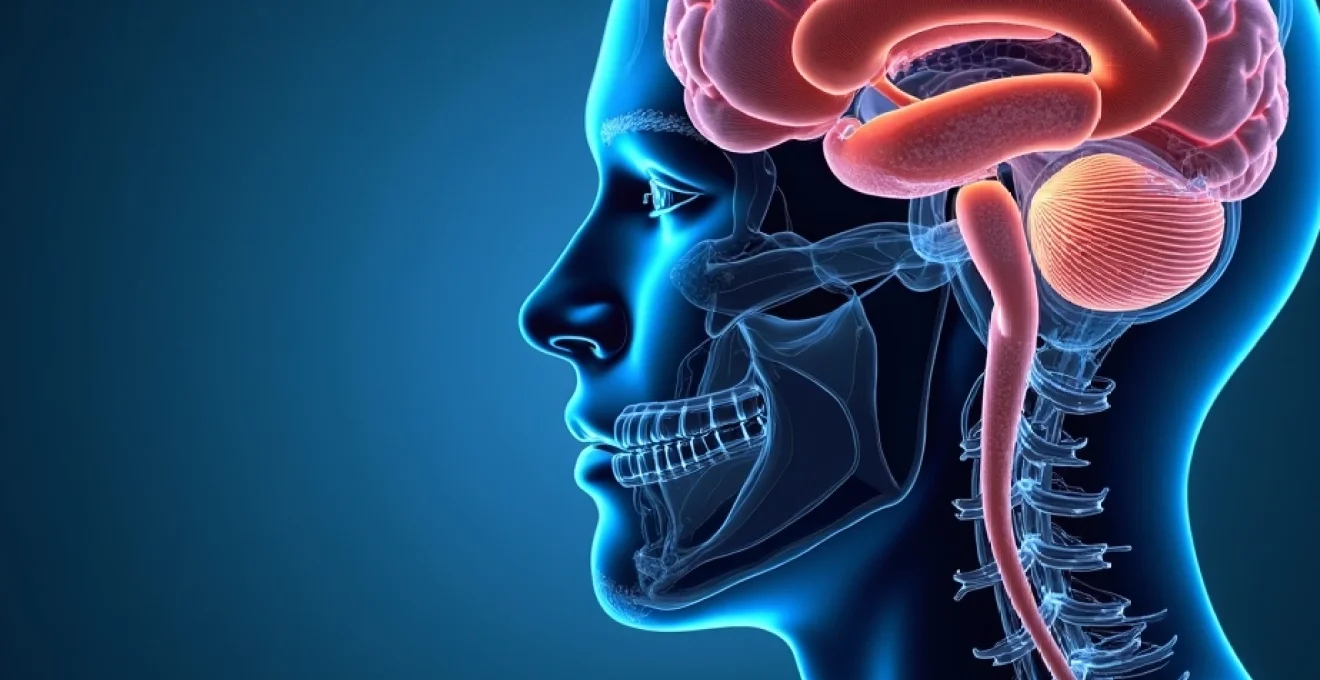
Vagus nerve stimulation represents a groundbreaking therapeutic intervention for individuals with treatment-resistant depression, offering hope where conventional treatments have failed. This innovative neuromodulation technique harnesses the power of the body’s longest cranial nerve to influence brain chemistry and restore emotional balance. With approximately one-third of depression patients experiencing inadequate response to traditional pharmacological interventions, VNS emerges as a critical addition to the psychiatric treatment arsenal. The procedure involves implanting a pacemaker-like device that delivers carefully calibrated electrical impulses to the left vagus nerve, creating cascading effects throughout the central nervous system that can alleviate depressive symptoms and improve quality of life for those suffering from this debilitating condition.
Neuroanatomical foundations of vagus nerve stimulation in depression treatment
Vagus nerve pathway architecture and Afferent-Efferent connections
The vagus nerve, designated as cranial nerve X, represents the most extensive cranial nerve in the human body, establishing crucial bidirectional communication pathways between the brain and peripheral organs. This complex neural superhighway comprises approximately 80% afferent fibres and 20% efferent fibres, creating an intricate network that influences multiple physiological systems. The left vagus nerve, specifically targeted in VNS therapy, demonstrates distinct anatomical advantages over its right counterpart, particularly in terms of cardiac safety considerations.
Afferent vagal fibres originate from various visceral organs and transmit sensory information to the brainstem, where they synapse primarily in the nucleus tractus solitarius. These ascending pathways carry vital information about internal organ status, inflammatory states, and metabolic conditions, all of which can significantly impact mood regulation. The sophisticated architecture of these pathways allows for precise modulation of neural activity through external stimulation, creating therapeutic opportunities for depression treatment.
Nucleus tractus solitarius integration with limbic system networks
The nucleus tractus solitarius serves as the primary relay station for vagal afferent information, functioning as a critical integration centre that processes and distributes incoming signals to relevant brain regions. This brainstem nucleus maintains extensive connections with limbic system structures, including the amygdala, hippocampus, and hypothalamus, which are fundamental to emotional processing and mood regulation. When VNS delivers electrical impulses to the vagus nerve, these signals travel along afferent pathways to activate the nucleus tractus solitarius.
From this central processing hub, neural information cascades through established networks to influence key brain regions implicated in depression pathophysiology. The intricate connectivity patterns between the nucleus tractus solitarius and limbic structures enable VNS to modulate emotional responses, stress reactivity, and mood states. This anatomical foundation explains why vagal stimulation can produce such profound effects on depressive symptoms, even though the stimulation occurs peripherally rather than directly within the brain.
Locus coeruleus noradrenergic modulation through vagal stimulation
The locus coeruleus, the brain’s primary noradrenergic nucleus, receives significant input from vagal pathways and plays a pivotal role in depression treatment mechanisms associated with VNS. This small but influential brainstem structure contains the majority of norepinephrine-producing neurons in the central nervous system and maintains extensive projections throughout the brain. Vagal stimulation activates locus coeruleus neurons, leading to increased norepinephrine release in target regions including the prefrontal cortex, hippocampus, and amygdala.
Enhanced noradrenergic activity through VNS contributes to improved mood regulation, increased attention and focus, and better stress resilience. The modulation of locus coeruleus function represents one of the key mechanisms by which VNS exerts its antidepressant effects. Research has demonstrated that chronic vagal stimulation leads to sustained increases in norepinephrine turnover in brain regions critical for emotional processing, providing a neurochemical basis for the therapeutic benefits observed in clinical practice.
Hippocampal neurogenesis enhancement via BDNF upregulation
Brain-derived neurotrophic factor upregulation represents a crucial mechanism through which VNS promotes neuroplasticity and supports recovery from depression. The hippocampus, a brain region consistently implicated in depression pathophysiology and often showing structural abnormalities in depressed patients, benefits significantly from increased BDNF expression induced by vagal stimulation. This neurotrophin plays essential roles in neuronal survival, synaptic plasticity, and the formation of new neural connections.
VNS-induced BDNF upregulation promotes hippocampal neurogenesis, potentially reversing some of the structural brain changes associated with chronic depression. The enhancement of neuroplasticity through BDNF mechanisms may explain why VNS effects often continue to improve over time, with many patients experiencing progressive symptom reduction over months or years of treatment. This neuroplasticity enhancement distinguishes VNS from many pharmacological interventions, offering the potential for more enduring therapeutic benefits.
VNS device technology and implantation protocols
Cyberonics VNS therapy system technical specifications
The VNS Therapy System represents sophisticated biomedical engineering designed to deliver precise electrical stimulation to the vagus nerve over extended periods. The pulse generator, approximately the size of a pocket watch, contains advanced circuitry capable of producing highly controlled electrical waveforms with programmable parameters. The device typically weighs between 25-30 grams and measures roughly 55mm in diameter with a thickness of 10-13mm, making it suitable for subcutaneous implantation in the upper chest region.
Modern VNS devices incorporate titanium housing for biocompatibility and longevity, with lithium battery technology providing operational lifespans of 6-15 years depending on stimulation parameters. The system includes sophisticated sensing capabilities that can detect changes in heart rate and automatically adjust stimulation accordingly. These technological advances have significantly improved the reliability and effectiveness of VNS therapy while reducing the frequency of surgical interventions required for battery replacement.
Livanova AspireSR generator programming parameters
The AspireSR generator incorporates advanced heart rate-based seizure detection technology that has been adapted for depression treatment applications. Programming parameters include output current ranging from 0.25 to 3.5 milliamperes, pulse width adjustable from 130 to 1000 microseconds, and stimulation frequency typically set between 20-30 Hz. The duty cycle, representing the ratio of stimulation time to rest time, commonly follows patterns of 30 seconds stimulation followed by 5 minutes of rest, though these parameters can be individualised based on patient response and tolerance.
Magnet-activated stimulation provides patients with on-demand therapy options, allowing for additional stimulation during periods of increased symptoms or stress. The magnetic activation feature delivers pre-programmed stimulation bursts that can provide rapid symptomatic relief. Clinical experience has shown that optimal parameter selection requires careful titration over several months, with gradual increases in stimulation intensity to maximise therapeutic benefit while minimising side effects.
Surgical implantation technique for left cervical vagus nerve
The surgical implantation of VNS devices requires precise anatomical knowledge and meticulous technique to ensure optimal therapeutic outcomes while minimising complications. The procedure typically involves two surgical incisions: one in the upper left chest for pulse generator placement and another along the left sternocleidomastoid muscle for vagus nerve access. The left vagus nerve is preferentially targeted due to its more favourable anatomical position and reduced risk of cardiac complications compared to right-sided stimulation.
During the cervical approach, surgeons must carefully identify and isolate the vagus nerve while avoiding damage to adjacent structures including the carotid artery and jugular vein. The nerve is gently separated from surrounding connective tissue, and the helical electrode leads are positioned around the nerve trunk. Proper electrode placement is critical for therapeutic efficacy , requiring adequate contact with the nerve while avoiding excessive compression that could impair nerve function or cause tissue damage.
Electrode lead positioning and impedance testing protocols
Electrode lead positioning involves precise placement of the helical coils around the left vagus nerve to ensure optimal electrical contact while maintaining nerve integrity. The leads consist of biocompatible materials including platinum-iridium electrodes and silicone insulation designed to withstand the mechanical stresses of neck movement and physiological motion. Proper positioning requires the electrodes to be snugly fitted around the nerve without causing constriction or compromising blood flow.
Intraoperative impedance testing verifies proper electrical connectivity between the pulse generator and the vagus nerve, with acceptable impedance values typically ranging from 500 to 3000 ohms. Post-implantation testing includes brief stimulation trials to confirm proper system function and assess patient tolerance. Impedance monitoring continues throughout the patient’s treatment course , providing valuable information about lead integrity and helping to identify potential complications such as lead migration or fracture that might compromise therapeutic effectiveness.
Therapeutic mechanisms of action in Treatment-Resistant depression
Monoaminergic neurotransmitter system modulation
VNS exerts profound effects on monoaminergic neurotransmitter systems, particularly norepinephrine, serotonin, and dopamine pathways that are fundamentally disrupted in depression. The stimulation of vagal afferents activates brainstem nuclei that project throughout the brain, leading to increased release of these crucial neurotransmitters in regions including the prefrontal cortex, hippocampus, and striatum. Noradrenergic enhancement through locus coeruleus activation represents a primary mechanism, with studies demonstrating sustained increases in norepinephrine turnover following chronic VNS treatment.
Serotonergic modulation occurs through vagal connections to the raphe nuclei, the brain’s primary serotonin-producing centres. VNS-induced activation of these nuclei leads to increased serotonin availability in synaptic clefts throughout the brain, particularly in limbic and cortical regions critical for mood regulation. The multi-neurotransmitter approach of VNS may explain its effectiveness in treatment-resistant cases where single-pathway interventions have failed, providing a more comprehensive neurochemical rebalancing than traditional antidepressant medications.
HPA axis dysregulation correction through vagal stimulation
Hypothalamic-pituitary-adrenal axis dysfunction represents a hallmark of major depressive disorder, with chronic elevation of cortisol levels contributing to both psychological symptoms and physical health complications. VNS demonstrates remarkable capacity to normalise HPA axis function through its extensive connections to hypothalamic regulatory centres. Vagal afferent activation influences paraventricular nucleus neurons that control corticotropin-releasing hormone release, thereby modulating the entire stress response cascade.
Clinical studies have documented significant reductions in cortisol levels and improvements in circadian rhythm regulation following VNS treatment. The restoration of normal HPA axis function contributes not only to mood improvement but also to better sleep patterns, enhanced immune function, and reduced inflammation. This comprehensive stress system normalisation may explain why VNS patients often experience improvements in multiple domains of functioning beyond depression symptoms alone, including cognitive performance and physical health measures.
Gamma-aminobutyric acid pathway enhancement
GABA pathway enhancement through VNS represents a crucial therapeutic mechanism that addresses the excitation-inhibition imbalance characteristic of depression. Vagal stimulation increases GABAergic activity in key brain regions, promoting neural inhibition and reducing excessive excitatory signalling that contributes to depressive symptomatology. The enhancement of GABA function occurs through multiple mechanisms, including increased GABA synthesis, enhanced receptor sensitivity, and improved GABAergic interneuron function.
Increased GABAergic activity contributes to anxiety reduction, improved emotional regulation, and better stress resilience in VNS patients. The modulation of GABA systems also supports improved sleep quality and reduced agitation, common benefits reported by patients receiving VNS therapy. The GABAergic enhancement complements the monoaminergic effects of VNS, creating a balanced neurochemical environment that supports sustained mood improvement and emotional stability.
Inflammatory cytokine suppression via cholinergic anti-inflammatory response
The cholinergic anti-inflammatory pathway activated by VNS provides a unique therapeutic mechanism that addresses the inflammatory component of depression. Vagal stimulation triggers the release of acetylcholine, which binds to nicotinic receptors on immune cells and suppresses the production of pro-inflammatory cytokines including tumour necrosis factor-alpha, interleukin-1 beta, and interleukin-6. This inflammatory suppression is particularly relevant for depression treatment, as elevated cytokine levels are consistently associated with depressive symptoms and treatment resistance.
The anti-inflammatory effects of VNS extend beyond cytokine modulation to include improvements in overall immune system balance and reduced oxidative stress. Patients receiving VNS often demonstrate normalisation of inflammatory markers and improvements in conditions commonly comorbid with depression, such as autoimmune disorders and chronic pain syndromes. This anti-inflammatory mechanism distinguishes VNS from purely neurochemical interventions, offering benefits for the growing population of depression patients with elevated inflammatory profiles who may be less responsive to traditional antidepressants.
Clinical efficacy evidence from randomised controlled trials
The RECOVER trial represents the most comprehensive evaluation of VNS efficacy for treatment-resistant depression, involving 493 participants across 84 sites in a carefully controlled study design. This landmark study demonstrated statistically significant improvements in multiple outcome measures, even among patients who had previously failed an average of 13 different treatment approaches. The trial’s rigorous methodology included blinded assessments by off-site clinicians and comprehensive evaluation of functional outcomes beyond traditional depression rating scales.
While the primary outcome measure showed modest differences between active and control groups, secondary analyses revealed substantial benefits in quality of life measures and functional capacity assessments. Patients receiving active VNS demonstrated significant improvements in their ability to perform daily living activities, with 47% achieving clinically meaningful functional gains compared to 24% in the control group. The delayed onset of benefits, with most improvements occurring in the final months of the trial, aligns with the known time course of VNS effects and supports the need for extended treatment periods to achieve optimal outcomes.
Long-term follow-up studies have provided additional evidence for sustained VNS efficacy, with some patients maintaining or experiencing further improvement in depressive symptoms years after device implantation. A multi-site study tracking patients for up to five years demonstrated response rates of 67% and remission rates of 43% at the final assessment point. These findings suggest that VNS may provide more durable therapeutic benefits than many pharmacological interventions, potentially offering a cost-effective long-term solution for treatment-resistant depression despite the significant upfront investment required for device implantation.
Clinical data consistently demonstrates that VNS effects build gradually over time, with optimal benefits often not apparent until 12-18 months of treatment, requiring patience and persistence from both patients and healthcare providers.
VNS stimulation parameter optimisation for depression
Optimal stimulation parameter selection represents a critical aspect of VNS therapy that significantly influences treatment outcomes and patient tolerance. The process of parameter optimisation typically begins with conservative settings and involves gradual titration over several months based on patient response and side effect profiles. Initial parameters commonly include output currents of 0.25-0.5 milliamperes, pulse widths of 250-500 microseconds, and frequencies of 20-30 Hz, with duty cycles of 30 seconds on and 5 minutes off.
Individual patient factors including age, comorbid medical conditions, and depression severity influence optimal parameter selection. Younger patients may tolerate higher stimulation intensities, while elderly individuals or those with cardiovascular conditions may require more conservative approaches. The personalisation of stimulation parameters requires ongoing collaboration between patients and healthcare providers, with regular assessments to balance therapeutic efficacy against tolerability concerns.
Recent advances in VNS technology have introduced adaptive stimulation protocols that automatically adjust parameters based on physiological feedback, particularly heart rate variability patterns. These closed-loop systems represent the future of VNS therapy, offering the potential for more responsive and individualised treatment approaches. Clinical experience suggests that patients who achieve optimal parameter settings within the first six months of treatment demonstrate superior long-term outcomes compared to those requiring extended titration periods.
| Parameter | Initial Setting | Therapeutic Range | Typical Maintenance |
Adverse effects profile and long-term safety considerations
The safety profile of VNS for depression treatment demonstrates generally favourable outcomes, with most adverse effects being mild to moderate in severity and often diminishing over time as patients adapt to stimulation. Surgical complications occur in less than 5% of cases and typically involve standard risks associated with any implantation procedure, including infection, bleeding, and temporary vocal cord dysfunction. The most commonly reported side effects directly related to VNS include voice hoarseness during stimulation periods, throat discomfort, and mild coughing, which affect approximately 60-70% of patients initially but often become less bothersome over months of treatment.
Respiratory effects represent another category of VNS-related adverse events, with some patients experiencing shortness of breath or sleep apnea exacerbation, particularly during the initial titration period. These effects can often be managed through careful parameter adjustment and gradual dose escalation. Long-term safety data spanning over two decades of clinical use indicate that serious adverse events are rare, with the most significant concerns relating to device malfunction or lead migration rather than direct physiological harm from chronic stimulation.
Cardiac considerations warrant particular attention, as the vagus nerve plays crucial roles in heart rate regulation and cardiac conduction. However, left-sided VNS demonstrates minimal cardiac impact compared to right-sided stimulation, which explains the preferential use of the left vagus nerve in clinical practice. Patients with pre-existing cardiac conditions require careful evaluation and monitoring, though VNS can often be safely implemented with appropriate precautions and parameter modifications. The absence of significant drug interactions represents a major safety advantage of VNS over pharmacological treatments, eliminating concerns about polypharmacy complications common in treatment-resistant depression patients.
The risk-benefit profile of VNS continues to improve with advancing technology and refined surgical techniques, making it an increasingly viable option for patients who have exhausted conventional treatment approaches without experiencing prohibitive side effects.
Device longevity and replacement considerations form important aspects of long-term safety planning, with modern VNS systems providing 6-15 years of operation depending on stimulation parameters. Battery depletion necessitates surgical replacement of the pulse generator, though this procedure is less invasive than initial implantation and carries reduced risks. Patients should be counselled about the commitment involved in VNS therapy, including the need for periodic device replacements and ongoing medical monitoring. Quality of life assessments consistently demonstrate that the benefits of sustained depression improvement typically outweigh the inconveniences associated with device maintenance and occasional side effects, particularly for patients with severe, treatment-resistant depression who have limited alternative options.