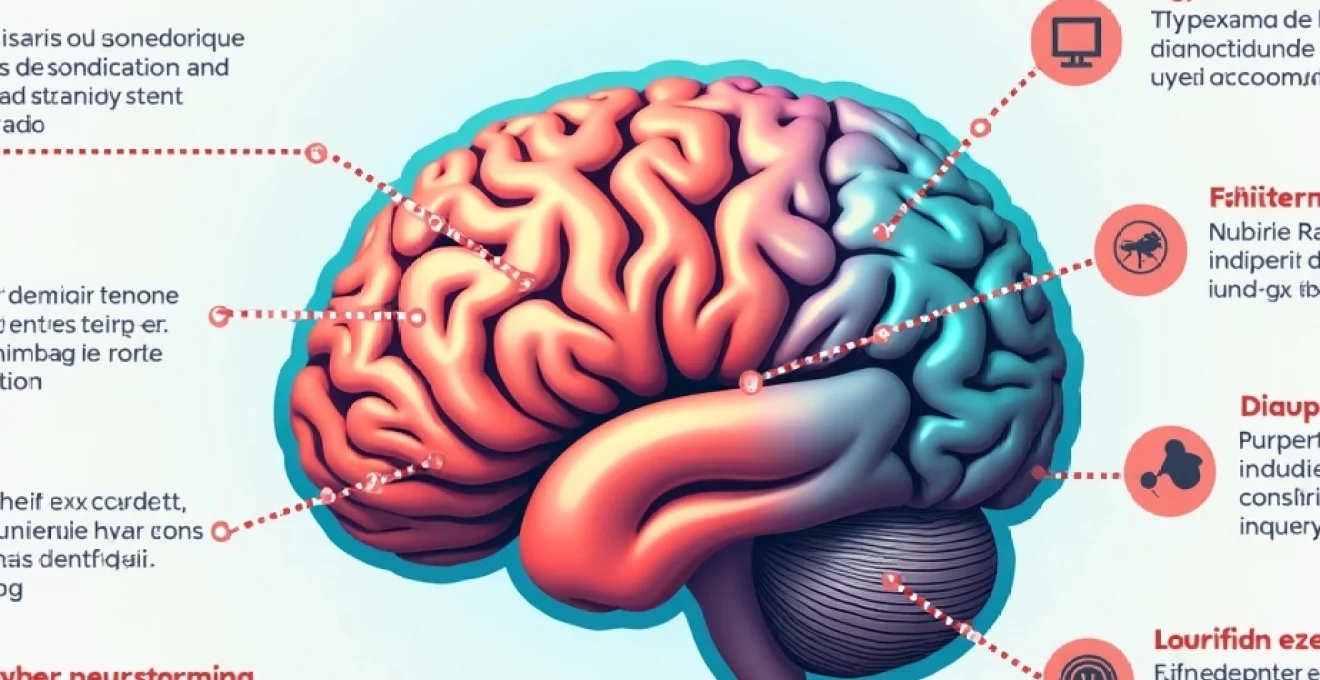
Neurostorming, medically known as paroxysmal sympathetic hyperactivity (PSH), represents one of the most challenging complications following severe traumatic brain injury. This complex neurological phenomenon affects approximately 15-33% of patients who remain comatose after significant brain trauma, transforming the body’s natural stress response into a relentless, uncontrollable cascade of physiological reactions. Understanding neurostorming becomes crucial for families, caregivers, and medical professionals as they navigate the intricate journey of brain injury recovery. The condition manifests as episodes of extreme sympathetic nervous system activation, causing dramatic fluctuations in vital signs that can persist for weeks or months. These episodes not only complicate medical management but also significantly impact long-term recovery outcomes and quality of life for survivors.
Neurostorming definition and pathophysiology in traumatic brain injury
Paroxysmal sympathetic hyperactivity following severe TBI
Paroxysmal sympathetic hyperactivity emerges as a disconnection syndrome where the brain’s ability to regulate autonomic functions becomes severely compromised. Following severe traumatic brain injury, the delicate balance between the sympathetic and parasympathetic nervous systems collapses, leaving patients trapped in a perpetual fight-or-flight state. This condition typically develops within hours to days after the initial injury, particularly in cases involving hypoxic injuries, intracerebral haemorrhages, and hydrocephalus. The sympathetic nervous system, designed to activate during genuine threats, becomes hypervigilant and responds excessively to minor stimuli or sometimes without any apparent trigger whatsoever.
Research indicates that neurostorming occurs most frequently in younger patients with higher brain plasticity, though age alone does not determine susceptibility. The condition represents the brain’s inability to accurately assess environmental threats, resulting in continuous release of stress hormones including adrenaline, noradrenaline, and cortisol. These biochemical cascades create a vicious cycle where the body remains in a state of maximum alertness, consuming enormous amounts of energy and placing tremendous strain on multiple organ systems.
Dysautonomia and catecholamine release mechanisms
The underlying mechanisms driving neurostorming involve profound dysautonomia, characterised by excessive catecholamine release and impaired autonomic regulation. During normal physiological responses, the release of epinephrine and norepinephrine occurs in measured quantities appropriate to the perceived threat level. However, in neurostorming patients, this carefully orchestrated system becomes chaotic, flooding the bloodstream with catecholamines at levels typically reserved for life-threatening emergencies. The excessive catecholamine surge affects virtually every organ system, creating the dramatic clinical presentations that define neurostorming episodes.
This biochemical storm triggers a cascade of secondary effects throughout the body. The cardiovascular system bears the brunt of this assault, with heart rates frequently exceeding 130 beats per minute and blood pressure reaching dangerously elevated levels. Meanwhile, the metabolic consequences prove equally severe, with energy demands increasing by 100-200% during active episodes. This dramatic metabolic acceleration rapidly depletes the body’s nutritional reserves, leading to rapid weight loss, muscle wasting, and potentially life-threatening complications if left unmanaged.
Brainstem dysfunction and Hypothalamic-Pituitary axis disruption
Neurostorming frequently correlates with specific patterns of brainstem dysfunction and disruption of the hypothalamic-pituitary axis. The brainstem houses critical centres responsible for autonomic regulation, including cardiovascular control, respiratory rhythms, and thermoregulation. When traumatic forces damage these regions, the brain loses its capacity to maintain homeostatic balance. The hypothalamus, serving as the body’s master thermostat and hormonal control centre, becomes particularly vulnerable to injury-induced dysfunction, explaining the severe temperature dysregulation commonly observed in neurostorming patients.
The hypothalamic-pituitary axis disruption extends beyond temperature control, affecting hormone production, circadian rhythms, and stress response mechanisms. This disruption explains why neurostorming episodes often occur without apparent external triggers, as the damaged brain misinterprets normal physiological signals as threats requiring immediate sympathetic activation. The severity and duration of these disruptions often correlate with the extent of brainstem involvement and overall injury severity, providing clinicians with valuable prognostic indicators.
Disconnection syndrome between inhibitory and excitatory pathways
The disconnection syndrome theory provides the most widely accepted explanation for neurostorming pathophysiology. This model suggests that traumatic brain injury severs the connections between inhibitory cortical centres and excitatory subcortical structures responsible for sympathetic activation. Under normal circumstances, higher brain centres exert inhibitory control over primitive brainstem reflexes, preventing excessive sympathetic responses to minor stimuli. When trauma disrupts these inhibitory pathways, the excitatory centres operate without restraint, producing the exaggerated responses characteristic of neurostorming.
This disconnection creates a state where the brain’s alarm system becomes hypersensitive to any form of stimulation. Simple activities such as repositioning, bathing, or even gentle touch can trigger intense sympathetic storms. The damaged brain interprets these benign interventions as threats, launching full-scale physiological responses appropriate for life-threatening situations. Understanding this mechanism helps explain why environmental modifications and gentle handling techniques often prove effective in reducing episode frequency and severity.
Clinical manifestations and diagnostic criteria for neurostorming episodes
Hyperthermia and thermoregulatory dysfunction patterns
Hyperthermia represents one of the most distinctive and dangerous features of neurostorming, with body temperatures frequently exceeding 101°F (38.5°C) during active episodes. This fever differs fundamentally from infectious fevers, arising instead from direct hypothalamic dysfunction and excessive metabolic activity. The thermoregulatory centre loses its ability to maintain normal temperature homeostasis, creating patterns of temperature instability that can persist throughout the acute recovery phase. These temperature fluctuations often follow predictable patterns, with episodes occurring in clusters followed by periods of relative stability.
The hyperthermia associated with neurostorming proves particularly challenging to manage because traditional antipyretic medications often provide limited relief. The fever stems from neurogenic rather than inflammatory causes, requiring targeted interventions that address the underlying sympathetic hyperactivity. Sustained hyperthermia creates additional complications, including increased oxygen consumption, accelerated protein breakdown, and heightened risk of seizure activity. Monitoring temperature patterns often provides valuable insights into episode triggers and treatment effectiveness.
Cardiovascular instability including tachycardia and hypertension
Cardiovascular manifestations of neurostorming create some of the most immediately life-threatening complications of this condition. Tachycardia, with heart rates consistently exceeding 130 beats per minute, places enormous strain on the cardiac system and increases oxygen demands throughout the body. This persistent elevation in heart rate can lead to cardiac exhaustion, arrhythmias, and in severe cases, cardiac arrest. The hypertension accompanying these episodes often reaches crisis levels, with systolic pressures frequently exceeding 180 mmHg and diastolic pressures above 110 mmHg.
These cardiovascular changes create a dangerous cycle where increased heart rate and blood pressure further elevate brain pressure, potentially exacerbating the underlying injury. The combination of tachycardia and hypertension significantly increases the risk of stroke, particularly in patients with existing vascular vulnerabilities. Continuous cardiac monitoring becomes essential during the acute phase, as sudden changes in rhythm or pressure can signal impending cardiovascular collapse. The cardiovascular instability often serves as the primary indicator for initiating aggressive pharmacological interventions.
Respiratory complications and tachypnoea during episodes
Respiratory dysfunction during neurostorming episodes manifests as rapid, shallow breathing patterns known as tachypnoea, often exceeding 40 breaths per minute. This hyperventilation response reflects the body’s attempt to meet dramatically increased oxygen demands while simultaneously responding to sympathetic nervous system activation. The respiratory changes compound other physiological disturbances, creating acid-base imbalances that can further destabilise the patient’s condition. Mechanical ventilation often becomes necessary to maintain adequate oxygenation and prevent respiratory exhaustion.
The respiratory complications extend beyond simple rate increases, involving changes in breathing patterns, reduced tidal volumes, and impaired gas exchange efficiency. These alterations can lead to respiratory alkalosis from excessive carbon dioxide elimination or respiratory acidosis if respiratory muscles become fatigued. The combination of increased oxygen consumption from elevated metabolism and impaired respiratory efficiency creates a precarious situation requiring careful monitoring and intervention. Respiratory parameters often provide early warning signs of developing neurostorming episodes, allowing for proactive treatment approaches.
Motor abnormalities including decerebrate posturing and rigidity
Motor abnormalities during neurostorming episodes present as dramatic changes in muscle tone and posturing that can appear alarming to family members and caregivers. Decerebrate posturing, characterised by rigid extension of arms and legs with arched back and downward-pointed toes, represents one of the most recognisable signs of active neurostorming. This abnormal posturing reflects brainstem dysfunction and typically occurs in conjunction with other sympathetic symptoms. The muscle rigidity can be so severe that it interferes with basic care activities and increases the risk of joint contractures and skin breakdown.
The motor manifestations extend beyond simple posturing to include generalised muscle rigidity, tremors, and occasionally dystonic movements. These motor abnormalities contribute significantly to the increased energy expenditure characteristic of neurostorming, as sustained muscle contractions consume substantial amounts of glucose and oxygen. The rigidity can be particularly problematic for nursing care, making positioning, hygiene activities, and physical therapy interventions challenging. Prolonged abnormal posturing without intervention can lead to permanent musculoskeletal damage, contractures, and pressure sores, emphasising the importance of early recognition and treatment.
Diaphoresis and autonomic nervous system manifestations
Profuse sweating, or diaphoresis, represents another hallmark feature of neurostorming that reflects the intense autonomic nervous system activation occurring during episodes. This sweating often appears excessive relative to ambient temperature and can lead to significant fluid and electrolyte losses if prolonged. The diaphoresis typically accompanies other autonomic manifestations, including pupillary dilation, altered gastric motility, and changes in skin perfusion. These autonomic signs provide valuable clinical indicators for monitoring episode severity and treatment response.
The autonomic manifestations of neurostorming extend beyond visible symptoms to include alterations in hormonal regulation, immune function, and metabolic processes. Patients may experience disrupted sleep-wake cycles, altered pain perception, and changes in wound healing capacity. The sympathetic dominance creates a state of chronic stress that affects virtually every physiological system, from digestive function to bone metabolism. Understanding these broader autonomic effects helps clinicians develop comprehensive management strategies that address both immediate symptoms and long-term complications. The autonomic dysfunction often persists even after resolution of acute neurostorming episodes, requiring ongoing monitoring and intervention throughout the recovery process.
Neurostorming assessment tools and measurement scales
Paroxysmal sympathetic hyperactivity assessment measure (PSH-AM)
The Paroxysmal Sympathetic Hyperactivity Assessment Measure (PSH-AM) represents the gold standard for diagnosing and monitoring neurostorming in clinical practice. This comprehensive tool evaluates both clinical features and diagnostic likelihood, providing clinicians with objective criteria for identifying PSH episodes. The assessment measure incorporates six key clinical domains: heart rate, blood pressure, respiratory rate, body temperature, sweating, and posturing abnormalities. Each parameter receives scoring based on severity and frequency, creating a cumulative score that indicates both the presence and intensity of neurostorming activity.
The PSH-AM also includes a probability assessment component that considers factors such as brain injury type, time since injury, and presence of triggering stimuli. This dual-component approach helps distinguish neurostorming from other conditions that may present with similar symptoms, such as infections, medication reactions, or seizure activity. Regular PSH-AM scoring throughout hospitalisation enables healthcare teams to track episode patterns, evaluate treatment effectiveness, and adjust interventions based on objective measurements rather than subjective impressions. The standardisation provided by this tool has significantly improved diagnostic accuracy and treatment consistency across different healthcare facilities.
Glasgow coma scale integration in neurostorming evaluation
The Glasgow Coma Scale (GCS) provides essential context for understanding neurostorming within the broader framework of brain injury severity and recovery progress. Patients experiencing neurostorming typically present with GCS scores in the severe range (3-8), reflecting the significant neurological impairment associated with conditions predisposing to sympathetic hyperactivity. The GCS evaluation focuses on three domains: eye opening response, verbal response, and motor response, each providing insights into different aspects of brain function and consciousness level.
Integration of GCS scoring with neurostorming assessment helps clinicians understand the relationship between injury severity and autonomic dysfunction. Lower GCS scores often correlate with higher neurostorming severity and frequency, though this relationship is not absolute. Some patients with relatively higher GCS scores may still experience significant sympathetic episodes, particularly if injury involves specific brainstem or hypothalamic regions. Tracking GCS changes over time alongside neurostorming patterns can provide valuable prognostic information and help identify periods when patients may be transitioning between different phases of recovery. The combination of these assessment tools creates a more comprehensive picture of neurological status and recovery trajectory.
Rancho los amigos scale applications for recovery monitoring
The Rancho Los Amigos Scale offers a complementary assessment framework that focuses on cognitive and behavioural recovery stages following traumatic brain injury. This eight-level scale provides detailed descriptions of recovery phases, from deep coma through community reintegration, helping healthcare teams understand where patients fall within the typical recovery continuum. For neurostorming patients, the scale proves particularly valuable for identifying transitions between unconscious states and emerging awareness, as these transitions often coincide with changes in sympathetic activity patterns.
Neurostorming most commonly occurs during the early Rancho levels (I-III), when patients remain largely unresponsive or demonstrate only basic reflexive behaviours. As patients progress through higher Rancho levels, neurostorming episodes typically decrease in frequency and intensity, though this progression varies significantly among individuals. The scale helps families and caregivers understand that neurostorming often represents a phase of recovery rather than a permanent condition, providing hope and realistic expectations for the recovery journey. Careful documentation of Rancho level changes alongside neurostorming patterns can reveal important relationships between cognitive recovery and autonomic stabilisation.
Continuous physiological parameter monitoring protocols
Continuous monitoring protocols form the backbone of effective neurostorming management, enabling early detection of episodes and rapid intervention when necessary. These protocols typically involve real-time tracking of heart rate, blood pressure, respiratory rate, oxygen saturation, and core body temperature through sophisticated monitoring equipment. Modern intensive care units employ integrated monitoring systems that can detect subtle changes in physiological parameters and alert healthcare staff to developing episodes before they reach crisis levels.
The monitoring protocols extend beyond basic vital signs to include neurological assessments, fluid balance measurements, and metabolic indicators such as glucose levels and lactate concentrations. Advanced monitoring may incorporate continuous electroencephalography (EEG) to differentiate neurostorming from seizure activity, as both conditions can present with similar motor manifestations. The data collected through continuous monitoring serves multiple purposes: immediate clinical decision-making, pattern recognition for episode prediction, and outcome tracking for treatment optimisation. Healthcare teams must balance the need for comprehensive monitoring with patient comfort and family access, creating protocols that maximise safety while maintaining humanised care approaches.
Pharmacological management strategies and treatment protocols
Pharmacological management of neurostorming requires a multi-modal approach targeting different aspects of sympathetic hyperactivity while minimising adverse effects that could impede neurological recovery. The primary therapeutic strategy involves controlling the excessive sympathetic outflow through various medication classes, each targeting specific components of the stress response cascade. Beta-adrenergic antagonists, particularly propranolol and metoprolol, serve as first-line agents for managing cardiovascular manifestations by blocking the effects of circulating catecholamines on heart rate and blood pressure. These medications often provide rapid relief from tachycardia and hypertension, though dosing requires careful titration to avoid excessive bradycardia or hypotension that could compromise cerebral perfusion.
Alpha-2 agonists such as clonidine and dexmedetomidine offer additional benefits by reducing central sympathetic outflow while providing sedation that can help break the cycle of stimulation-triggered episodes. These agents prove particularly valuable for patients requiring mechanical ventilation, as they provide sedation without the respiratory depression associated with opioid medications. The combination of beta-blockers and alpha-2 agonists often produces synergistic effects, allowing for lower doses of individual agents while achieving superior symptom control. However, both medication classes require careful monitoring for hypotension and bradycardia, particularly when used in combination or when patients are
weaning from intensive care interventions.
Benzodiazepines, including diazepam and lorazepam, provide muscle relaxation and sedation that can help reduce the abnormal posturing and rigidity characteristic of neurostorming episodes. These medications prove particularly effective for managing the motor components of sympathetic hyperactivity, though prolonged use carries risks of tolerance, dependence, and delayed neurological recovery. The sedating effects must be carefully balanced against the need to assess neurological progress, requiring individualised dosing schedules that allow for regular neurological evaluations. Opioid medications such as morphine and fentanyl address pain components that may trigger or exacerbate neurostorming episodes, though their use remains controversial due to potential effects on consciousness assessment and respiratory function.
Neuromodulatory agents like gabapentin and baclofen offer unique advantages for long-term management of neurostorming symptoms. Gabapentin provides neuropathic pain control while potentially reducing sympathetic outflow through central nervous system mechanisms. Baclofen, a GABA-B receptor agonist, helps manage spasticity and muscle rigidity while providing some degree of sympathetic suppression. These agents often serve as bridging medications during the transition from acute intensive care management to longer-term rehabilitation settings. The combination of multiple medication classes allows for targeted symptom control while minimising the adverse effects associated with high doses of single agents.
Long-term prognosis and recovery patterns in neurostorming patients
The long-term prognosis for patients experiencing neurostorming varies significantly based on multiple factors, including injury severity, patient age, duration of sympathetic hyperactivity, and promptness of treatment intervention. Research indicates that younger patients with greater neuroplasticity demonstrate more favourable outcomes, often showing gradual resolution of neurostorming episodes over weeks to months following injury. However, the presence of neurostorming does not necessarily indicate poor prognosis, as many patients who experience severe sympathetic episodes during acute recovery phases go on to achieve meaningful functional recovery. Understanding these recovery patterns helps families and healthcare teams maintain realistic hope while preparing for potential long-term challenges.
Recovery trajectories typically follow predictable patterns, with neurostorming episodes gradually decreasing in frequency and intensity as brain healing progresses. The transition from acute neurostorming to autonomic stability often occurs in stages, with patients first showing reduced episode frequency, followed by decreased severity, and finally complete resolution of sympathetic hyperactivity. This progression may span several months, requiring sustained medical management and careful monitoring throughout the recovery period. Neuroplasticity mechanisms play a crucial role in this recovery process, as the brain develops alternative pathways to replace damaged autonomic control centres.
Long-term complications of neurostorming can significantly impact quality of life and functional outcomes even after episodes resolve. Patients may develop chronic cardiovascular complications, including persistent hypertension, cardiac dysfunction, and increased risk of stroke or heart attack. The metabolic consequences of prolonged sympathetic hyperactivity can result in lasting changes to body composition, muscle mass, and metabolic function. Musculoskeletal complications from abnormal posturing and rigidity may require ongoing rehabilitation interventions, including physical therapy, occupational therapy, and potentially surgical interventions for severe contractures.
Cognitive and behavioural outcomes in neurostorming survivors demonstrate considerable variability, with some patients achieving near-complete recovery while others face ongoing challenges with executive function, memory, and emotional regulation. The duration and severity of neurostorming episodes appear to correlate with cognitive outcomes, though individual factors such as pre-injury cognitive reserve and rehabilitation intensity also play significant roles. Family support systems and access to comprehensive rehabilitation services strongly influence long-term functional outcomes, emphasising the importance of coordinated care approaches that extend well beyond the acute hospitalisation period.
Prevention strategies and risk factor mitigation in critical care settings
Prevention of neurostorming episodes begins with comprehensive risk assessment and environmental modification strategies implemented from the moment of intensive care unit admission. Healthcare teams must identify high-risk patients based on injury characteristics, including those with severe traumatic brain injury, hypoxic brain injuries, and specific patterns of brainstem involvement. Early implementation of preventive measures can significantly reduce episode frequency and severity, potentially improving overall outcomes and reducing complications. The prevention approach requires multidisciplinary coordination between nursing staff, physicians, respiratory therapists, and family members to create an optimal healing environment.
Environmental modifications form a cornerstone of neurostorming prevention, focusing on minimising stimuli that could trigger sympathetic episodes. These modifications include maintaining quiet, dimly lit patient rooms with minimal unnecessary alarms and equipment noise. Temperature regulation becomes crucial, as both hyperthermia and hypothermia can trigger episodes, requiring careful climate control and appropriate bedding materials. Visitor policies may need adjustment to limit overwhelming stimulation while still allowing beneficial family presence that can provide calming effects through familiar voices and gentle touch.
Nursing care protocols must be carefully designed to minimise episode triggers while maintaining essential patient care activities. Clustering care activities to reduce frequent disturbances, using gentle handling techniques during repositioning, and timing interventions to avoid known trigger periods all contribute to prevention efforts. Staff training becomes essential to ensure consistent implementation of preventive measures, as small deviations from protocol can trigger significant episodes. Communication strategies between shift changes must ensure continuity of preventive approaches and rapid identification of new triggers or patterns.
Pharmacological prevention strategies may include prophylactic use of medications in high-risk patients, particularly those with known triggers or frequent episodes. This approach requires careful risk-benefit analysis, as preventive medications carry their own potential complications and may interfere with neurological assessments. The timing of medication administration, gradual dose adjustments, and careful monitoring for effectiveness become critical components of successful prevention programs. Integration of prevention strategies with family education and involvement ensures comprehensive approaches that extend beyond medical interventions to include environmental and interpersonal factors that influence recovery outcomes.