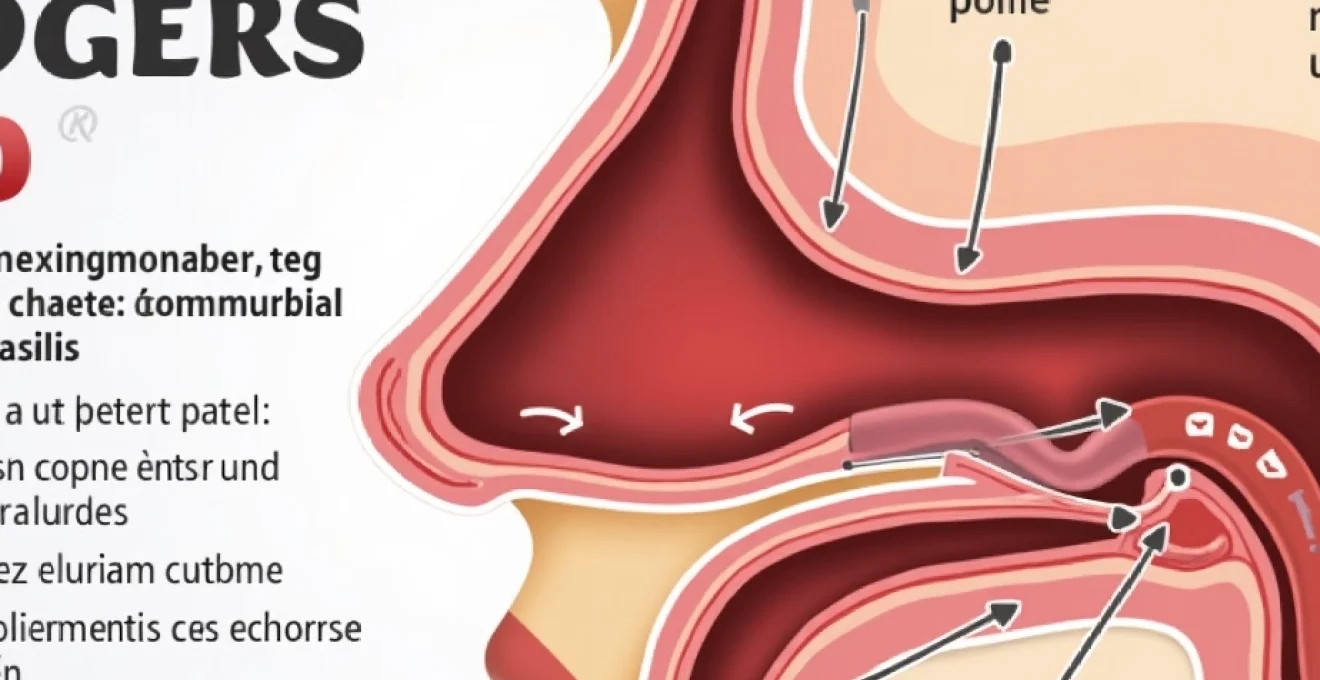
Red or bloody boogers can be an alarming discovery, yet this phenomenon affects millions of people worldwide and is often far less concerning than it initially appears. The presence of blood in nasal mucus typically indicates minor irritation or damage to the delicate blood vessels lining your nasal passages. Understanding the underlying causes of haemorrhagic nasal discharge empowers you to distinguish between common, benign occurrences and situations that may require medical attention.
Your nose contains an intricate network of blood vessels positioned just beneath the surface of the nasal mucosa, making them particularly vulnerable to rupture from various environmental and physiological factors. These vessels serve essential functions in warming and humidifying the air you breathe, but their proximity to the surface makes them susceptible to bleeding from even minor trauma or irritation.
Anatomical origins of haemorrhagic nasal discharge
The human nasal cavity represents a highly vascularised anatomical region, with multiple blood vessel networks supplying the various structures within your nose. Understanding these anatomical features helps explain why bloody boogers occur so frequently and why certain areas are more prone to bleeding than others.
Nasal septum vascularisation and kiesselbach’s plexus bleeding
The anterior nasal septum houses a region known as Kiesselbach’s plexus, often referred to as Little’s area, which represents the most common site of nosebleeds worldwide. This area contains a convergence of multiple arterial blood supplies, including branches from the anterior ethmoidal, sphenopalatine, and facial arteries. The convergence of these vessels creates a highly vascularised zone where approximately 90% of all nosebleeds originate .
The mucosa covering Kiesselbach’s plexus is particularly thin and lacks the protective submucosal layer found in other nasal regions. This anatomical vulnerability, combined with the area’s exposure to airflow and environmental irritants, makes it exceptionally prone to drying, cracking, and subsequent bleeding. Even minor trauma, such as gentle nose-picking or vigorous nose-blowing, can rupture these superficial vessels and result in bloody nasal discharge.
Turbinate congestion and capillary rupture mechanisms
The nasal turbinates, consisting of the superior, middle, and inferior conchae, contain extensive networks of erectile tissue and blood vessels that regulate nasal airflow and humidification. When these structures become congested due to allergies, infections, or other inflammatory conditions, the increased blood flow and tissue swelling can place additional pressure on the delicate capillary networks.
This congestion-induced pressure can cause microscopic ruptures in the capillary walls, leading to the gradual seepage of blood into the surrounding mucus. Unlike dramatic nosebleeds , this mechanism typically produces small amounts of blood that mix with normal nasal secretions, creating the characteristic red or pink-tinged boogers that many people observe.
Posterior nares haemorrhage from sphenopalatine artery
While less common than anterior bleeding, posterior nasal haemorrhages can occur from the sphenopalatine artery and its branches, which supply the posterior nasal cavity and nasopharynx. These bleeding episodes often present differently from typical nosebleeds, as the blood may flow backward into the throat rather than forward through the nostrils.
When posterior bleeding occurs, you might notice blood-tinged mucus when clearing your throat or coughing, rather than observing obvious bloody boogers. This type of bleeding is more likely to be associated with underlying medical conditions, medication effects, or significant trauma to the nasal region.
Nasopharyngeal mucosa trauma and blood pooling
The nasopharyngeal region, located at the back of the nasal cavity where it connects to the throat, can also contribute to bloody nasal discharge. This area is susceptible to trauma from vigorous nose-blowing, insertion of objects, or medical procedures such as nasal endoscopy or nasopharyngeal swabbing.
Blood from nasopharyngeal trauma often pools in dependent areas of the nasal cavity and mixes with mucus as it moves forward through normal ciliary action. This mechanism can produce delayed bloody boogers that appear hours after the initial trauma occurred, making it challenging to identify the precipitating cause.
Environmental and atmospheric triggers for epistaxis
Environmental factors play a significant role in nasal mucosal health and the development of bloody boogers. Your nasal passages are constantly exposed to atmospheric conditions that can either support healthy mucus production or contribute to mucosal irritation and bleeding.
Low humidity environments and mucosal desiccation
Dry air represents one of the most common environmental triggers for bloody boogers, particularly during winter months when indoor heating systems reduce ambient humidity levels. Optimal nasal mucosal function requires humidity levels between 40-60%, but many indoor environments during heating season drop to 20-30% humidity or lower.
When exposed to low humidity conditions, the nasal mucosa loses moisture through evaporation, causing the protective mucus layer to become thick and crusty. This desiccation makes the underlying blood vessels more vulnerable to mechanical trauma from normal activities like breathing, nose-blowing, or gentle touching. The dried, brittle mucosa is particularly susceptible to cracking, which can expose and damage the superficial capillary networks.
Maintaining indoor humidity levels between 45-55% can significantly reduce the incidence of nasal bleeding and bloody booger formation during dry weather conditions.
Allergen exposure: pollen, dust mites, and histamine response
Allergic reactions trigger inflammatory cascades that affect nasal blood vessels and mucus production patterns. When your immune system encounters allergens such as pollen, dust mites, pet dander, or mould spores, it releases histamine and other inflammatory mediators that cause vasodilation and increased vascular permeability.
This histamine-mediated response leads to nasal congestion, increased mucus production, and swelling of the nasal tissues. The combination of tissue swelling and increased blood flow can cause mechanical stress on the delicate capillary networks, leading to microscopic bleeding. Additionally, the inflammatory response can make blood vessels more fragile and prone to rupture from minor trauma or pressure changes.
Chemical irritants and occupational hazard exposure
Exposure to chemical irritants in occupational or environmental settings can directly damage nasal mucosa and increase bleeding risk. Common irritants include cleaning chemicals, industrial solvents, cigarette smoke, air pollution, and various aerosols or sprays.
These chemicals can cause direct cytotoxic damage to the nasal epithelium and underlying blood vessels, creating areas of weakness that are prone to bleeding. Chronic exposure to such irritants can lead to persistent inflammation and ongoing vulnerability to bloody nasal discharge, even from minor provocations.
Altitude changes and barometric pressure effects
Rapid changes in altitude or barometric pressure can affect nasal blood vessels and contribute to epistaxis. During ascent to high altitudes, the decreased atmospheric pressure can cause expansion of gases within body tissues and relative engorgement of blood vessels.
Air travel, mountain climbing, or even weather-related pressure changes can trigger nasal bleeding in susceptible individuals. The pressure differential can cause mechanical stress on blood vessel walls, particularly in individuals with pre-existing nasal mucosal fragility or inflammation.
Pathological conditions causing bloody nasal secretions
While environmental factors account for most cases of bloody boogers, various pathological conditions can predispose you to recurrent or persistent haemorrhagic nasal discharge. Understanding these conditions helps differentiate between benign and potentially serious causes.
Rhinitis sicca and chronic atrophic rhinitis
Rhinitis sicca, characterised by chronic dryness of the nasal mucosa, creates an environment highly conducive to bleeding. This condition often develops in older adults or individuals with chronic medical conditions that affect mucus production or nasal blood flow.
The persistent dryness leads to formation of thick, adherent crusts that, when removed, can damage the underlying tissue and blood vessels. Chronic atrophic rhinitis represents a more severe form of this condition, where progressive tissue atrophy reduces the protective mucus layer and compromises the structural integrity of nasal blood vessels.
Nasal polyps and benign tumour haemorrhage
Nasal polyps, which are benign growths arising from inflamed nasal or sinus mucosa, can contribute to bloody nasal discharge through several mechanisms. The polyps themselves contain blood vessels that can rupture easily, and their presence can obstruct normal nasal drainage, leading to chronic inflammation and secondary bleeding.
Other benign nasal tumours, such as angiomas or papillomas, are inherently vascular and prone to spontaneous bleeding. These lesions often present with unilateral bloody nasal discharge and may require medical evaluation to distinguish them from more serious conditions.
Wegener’s granulomatosis and autoimmune vasculitis
Granulomatosis with polyangiitis (formerly Wegener’s granulomatosis) represents a systemic autoimmune condition that commonly affects the nasal cavity and sinuses. This condition causes necrotising inflammation of blood vessels, leading to tissue destruction and recurrent bleeding.
Patients with this condition often experience persistent bloody nasal discharge, nasal crusting, and progressive nasal deformity. The inflammatory process can affect both small and medium-sized blood vessels, creating areas of tissue necrosis that are highly prone to bleeding.
Cocaine-induced septal perforation and necrosis
Cocaine use causes profound vasoconstriction of nasal blood vessels, leading to tissue ischaemia and necrosis. Chronic cocaine use can result in septal perforation, chronic ulceration, and ongoing bloody nasal discharge.
The vasoconstriction reduces blood flow to nasal tissues, compromising their ability to heal and maintain structural integrity. Even occasional cocaine use can cause significant nasal mucosal damage and increase susceptibility to bleeding from minor trauma.
Medication-induced haemorrhagic nasal discharge
Various medications can increase your risk of developing bloody boogers by affecting blood clotting mechanisms, altering blood vessel integrity, or directly irritating nasal tissues. Understanding these medication effects helps identify potential causes and guide appropriate management strategies.
Anticoagulant medications, including warfarin, direct oral anticoagulants, and antiplatelet agents like aspirin or clopidogrel, significantly increase bleeding risk by interfering with normal haemostatic mechanisms. Even minor trauma to nasal blood vessels can result in prolonged bleeding and bloody nasal discharge in patients taking these medications.
Nonsteroidal anti-inflammatory drugs (NSAIDs) affect platelet function and can increase bleeding tendency, particularly with chronic use. These medications inhibit cyclooxygenase enzymes, reducing thromboxane A2 production and impairing platelet aggregation necessary for effective haemostasis.
Topical nasal medications, particularly decongestant sprays and corticosteroid preparations, can cause local irritation and mucosal changes that predispose to bleeding. Prolonged use of decongestant sprays can lead to rebound congestion and chronic inflammation, while corticosteroids can thin the nasal mucosa and make blood vessels more fragile.
Nutritional supplements, including high-dose vitamin E, fish oil, and ginkgo biloba, possess anticoagulant properties that can increase bleeding risk. These supplements can potentiate the effects of prescribed anticoagulant medications and should be used cautiously in individuals prone to nosebleeds.
Emergency warning signs and medical intervention criteria
While bloody boogers are usually benign, certain warning signs indicate the need for immediate medical attention. Recognising these red flags helps ensure appropriate care when serious underlying conditions may be present.
Persistent bleeding that fails to respond to direct pressure and standard first aid measures requires emergency evaluation. If bleeding continues for more than 15-20 minutes despite proper nasal pressure application, or if bleeding is profuse enough to cause difficulty breathing or swallowing, immediate medical attention is necessary.
Unilateral bloody discharge, particularly when accompanied by nasal obstruction, facial pain, or changes in smell, may indicate serious pathology such as tumours or severe infections. These symptoms warrant prompt otolaryngological evaluation to rule out malignancy or other serious conditions.
Any bloody nasal discharge accompanied by fever, severe headache, neck stiffness, or neurological symptoms requires immediate emergency medical evaluation.
Recurrent episodes of significant nosebleeds, defined as bleeding requiring medical attention or lasting more than 30 minutes, should prompt comprehensive evaluation for underlying bleeding disorders, vascular malformations, or other systemic conditions.
Signs of significant blood loss, including dizziness, weakness, rapid heart rate, or pale skin, indicate the need for immediate medical intervention regardless of the apparent severity of the nasal bleeding.
Preventative strategies and therapeutic interventions
Preventing bloody boogers focuses primarily on maintaining optimal nasal mucosal health and avoiding known triggers. Environmental modifications represent the cornerstone of prevention, particularly addressing humidity levels and reducing exposure to irritants.
Maintaining adequate indoor humidity through humidifiers or other moisture-adding devices significantly reduces nasal mucosal drying and subsequent bleeding risk. Target humidity levels should remain between 40-60% year-round, with particular attention during heating and cooling seasons when indoor humidity typically drops.
Gentle nasal hygiene practices help maintain mucosal health without causing trauma to delicate blood vessels. Using saline nasal rinses or sprays helps keep nasal passages moist and removes irritants that could trigger bleeding. When removing nasal secretions, use soft tissues and avoid aggressive manipulation that could damage blood vessels.
Topical moisturising agents, such as petroleum jelly or specialised nasal gels, can be applied to the anterior nasal septum to create a protective barrier and maintain tissue hydration. These products should be used sparingly and only as directed, as excessive application can interfere with normal nasal function.
For individuals with recurrent bloody boogers related to underlying medical conditions, addressing the primary condition through appropriate medical management typically reduces bleeding episodes. This may include optimising treatment for allergies, managing blood pressure, or adjusting anticoagulant therapy under medical supervision.
Lifestyle modifications, including smoking cessation, limiting alcohol consumption, and avoiding known nasal irritants, contribute significantly to overall nasal health and bleeding prevention. Regular follow-up with healthcare providers ensures optimal management of any underlying conditions that may contribute to nasal bleeding.