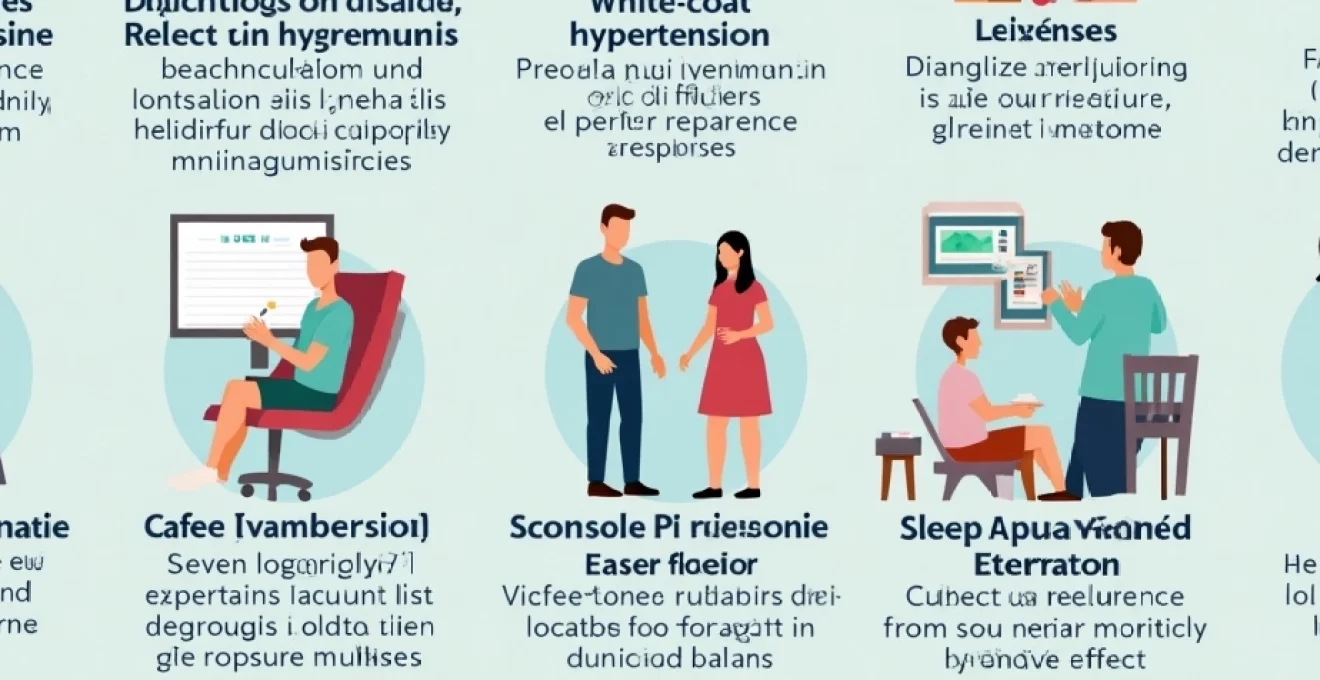
Random blood pressure spikes affect millions of people worldwide, creating moments of concern and confusion for those who monitor their cardiovascular health. These sudden elevations in blood pressure can occur without warning, leaving individuals wondering whether they’re experiencing a serious medical emergency or a temporary physiological response. Understanding the complex mechanisms behind these unexpected fluctuations is crucial for maintaining optimal cardiovascular health and knowing when medical intervention may be necessary.
The human cardiovascular system operates through intricate regulatory mechanisms that normally maintain blood pressure within healthy ranges. However, various internal and external factors can disrupt this delicate balance, causing sudden spikes that may reach concerning levels. These episodes can stem from physiological responses, underlying medical conditions, lifestyle factors, or pharmaceutical influences, each requiring different approaches to management and prevention.
Physiological mechanisms behind sudden blood pressure fluctuations
The cardiovascular system relies on sophisticated regulatory mechanisms to maintain stable blood pressure throughout daily activities. When these systems experience disruption or dysfunction, episodic hypertensive episodes can occur with little warning. Understanding these underlying physiological processes helps explain why blood pressure can spike seemingly at random, even in individuals who typically maintain normal readings.
Baroreceptor dysfunction and autonomic nervous system dysregulation
Baroreceptors serve as the body’s primary blood pressure sensors, located strategically in the carotid arteries and aortic arch. These specialised nerve endings continuously monitor arterial pressure and send signals to the brainstem, which then adjusts heart rate and vascular tone accordingly. When baroreceptor function becomes impaired due to age, disease, or other factors, the body’s ability to maintain stable blood pressure becomes compromised.
Autonomic nervous system dysregulation represents another critical factor in random blood pressure spikes. The sympathetic and parasympathetic branches of this system work in concert to regulate cardiovascular function. Sympathetic overactivity can trigger sudden increases in heart rate and vascular constriction, whilst parasympathetic dysfunction may fail to provide adequate counterbalancing effects. This imbalance creates conditions where minor stimuli can provoke disproportionate blood pressure responses.
Catecholamine release patterns during stress response activation
Catecholamines, including adrenaline and noradrenaline, play pivotal roles in acute blood pressure regulation. During stress response activation, the adrenal medulla releases these powerful hormones into the bloodstream, causing immediate cardiovascular effects. The magnitude and duration of catecholamine release can vary significantly between individuals and situations, explaining why some people experience more pronounced blood pressure spikes than others.
The body’s catecholamine sensitivity also fluctuates based on various factors, including genetic predisposition, previous exposure patterns, and concurrent medical conditions. Some individuals possess heightened receptor sensitivity, making them more susceptible to dramatic blood pressure increases even with relatively modest catecholamine release. This biological variability contributes to the seemingly random nature of hypertensive episodes in susceptible populations.
Renin-angiotensin-aldosterone system irregularities
The renin-angiotensin-aldosterone system (RAAS) regulates blood pressure through complex hormonal pathways that control blood volume and vascular resistance. Irregularities in this system can lead to unpredictable blood pressure fluctuations, particularly when kidney function or hormonal balance becomes disturbed. Angiotensin II , a potent vasoconstrictor produced through this pathway, can cause rapid blood pressure elevations when released in excessive amounts.
RAAS dysfunction often stems from underlying conditions such as kidney disease, hormonal disorders, or genetic variations affecting enzyme function. When these regulatory mechanisms become dysregulated, even minor triggers such as dehydration, sodium intake changes, or postural adjustments can provoke significant blood pressure spikes that appear to occur without obvious cause.
Vascular endothelial nitric oxide production variations
The vascular endothelium produces nitric oxide, a crucial signalling molecule that promotes vasodilation and helps maintain normal blood pressure. Variations in nitric oxide production or bioavailability can significantly impact vascular tone and contribute to unpredictable blood pressure changes. When endothelial function becomes impaired, the body loses an important mechanism for preventing excessive blood pressure elevations.
Factors affecting nitric oxide production include oxidative stress, inflammation, dietary factors, and genetic polymorphisms affecting nitric oxide synthase enzymes. These influences can create fluctuating patterns of vascular reactivity, making some individuals more prone to sudden blood pressure increases during periods of reduced nitric oxide availability.
Medical conditions triggering episodic hypertensive episodes
Various medical conditions can precipitate sudden blood pressure spikes, often presenting diagnostic challenges for healthcare providers. These conditions may remain undetected for extended periods, causing patients to experience seemingly random hypertensive episodes without obvious explanations. Identifying underlying medical causes is essential for appropriate treatment and prevention of future episodes.
Pheochromocytoma and adrenal medulla tumour manifestations
Pheochromocytoma represents one of the most dramatic causes of episodic hypertension, though it affects fewer than 1% of individuals with high blood pressure. This rare tumour of the adrenal medulla produces excessive amounts of catecholamines, causing sudden and severe blood pressure spikes that can reach dangerous levels. The classic triad of symptoms includes severe headaches, excessive sweating, and rapid heart rate, though many patients present with atypical presentations.
These tumours release catecholamines in unpredictable patterns, explaining why affected individuals experience seemingly random hypertensive crises. Episodes may be triggered by physical activity, certain foods, medications, or emotional stress, but can also occur during rest without identifiable precipitants. Biochemical testing measuring urinary or plasma catecholamines and their metabolites provides definitive diagnosis, while imaging studies localise tumour location.
Modern diagnostic approaches have significantly improved detection rates for pheochromocytoma, with genetic testing now identifying hereditary forms that may affect multiple family members across generations.
White coat hypertension and clinical environment responses
White coat hypertension affects approximately 15-30% of individuals who undergo blood pressure measurement in clinical settings. This phenomenon occurs when patients experience elevated readings in medical environments whilst maintaining normal blood pressure in other settings. The psychological stress associated with medical visits triggers sympathetic nervous system activation, resulting in temporary but significant blood pressure increases.
The clinical significance of white coat hypertension extends beyond simple measurement artifact. Research indicates that affected individuals face increased cardiovascular risks compared to those with consistently normal blood pressure, suggesting that heightened stress reactivity may contribute to long-term health complications. Ambulatory blood pressure monitoring provides the most accurate assessment of true blood pressure patterns in these patients.
Masked hypertension detection through ambulatory monitoring
Masked hypertension presents the opposite scenario to white coat hypertension, where patients maintain normal clinic readings whilst experiencing elevated blood pressure in daily life. This condition affects approximately 10-25% of individuals with normal office measurements and poses significant diagnostic challenges. The episodic nature of blood pressure elevations in masked hypertension can create patterns that appear random without comprehensive monitoring.
Ambulatory blood pressure monitoring reveals the true extent of blood pressure variability in masked hypertension, often uncovering concerning patterns of nocturnal hypertension or stress-related spikes. These findings have important implications for cardiovascular risk stratification and treatment decisions, as masked hypertension carries similar risks to sustained hypertension when left untreated.
Secondary hypertension from renal artery stenosis
Renal artery stenosis affects approximately 1-5% of individuals with hypertension, causing episodic blood pressure elevations through activation of the renin-angiotensin system. This condition occurs when narrowed renal arteries reduce blood flow to the kidneys, triggering compensatory mechanisms that increase blood pressure. The severity and timing of blood pressure spikes often correlate with the degree of arterial narrowing and kidney function impairment.
Patients with renal artery stenosis may experience seemingly random hypertensive episodes, particularly during periods of dehydration or when taking certain medications. The condition often remains undiagnosed until patients develop resistant hypertension or kidney function deterioration. Duplex ultrasound , magnetic resonance angiography, or computed tomography angiography can confirm the diagnosis and guide treatment decisions.
Lifestyle factors contributing to erratic blood pressure readings
Daily lifestyle choices significantly influence blood pressure stability, with certain factors creating conditions that predispose individuals to unpredictable hypertensive episodes. These influences often interact in complex ways, making it challenging to identify specific triggers for blood pressure spikes. Understanding how lifestyle factors contribute to blood pressure variability empowers individuals to make informed decisions about their cardiovascular health.
Caffeine metabolism variations and individual sensitivity responses
Caffeine affects blood pressure through multiple mechanisms, including adenosine receptor blockade, catecholamine release, and direct vascular effects. Individual responses to caffeine vary dramatically due to genetic polymorphisms affecting metabolism and receptor sensitivity. Some people experience significant blood pressure increases with modest caffeine consumption, whilst others show minimal responses even with high intake levels.
The timing and magnitude of caffeine’s blood pressure effects depend on consumption patterns, tolerance levels, and concurrent factors such as stress or other medications. Regular caffeine consumers typically develop tolerance that blunts acute blood pressure responses, whilst occasional users may experience pronounced spikes. Withdrawal from regular caffeine use can also trigger temporary blood pressure fluctuations as the body readjusts to altered neurotransmitter balance.
Sodium intake fluctuations and fluid retention cycles
Dietary sodium intake directly influences blood volume and pressure through effects on fluid retention and vascular reactivity. Sudden increases in sodium consumption can trigger blood pressure spikes within hours, particularly in salt-sensitive individuals who comprise approximately 25% of the general population. These responses occur through activation of the renin-angiotensin-aldosterone system and direct effects on vascular smooth muscle.
Salt sensitivity varies based on genetic factors, age, kidney function, and concurrent medical conditions. Individuals with salt-sensitive hypertension may experience dramatic blood pressure fluctuations based on dietary choices, creating patterns that appear random without careful dietary monitoring. Hidden sodium sources in processed foods often contribute to unexpected blood pressure elevations, as many people underestimate their total daily sodium intake.
Sleep Apnoea-Related nocturnal blood pressure surges
Sleep apnoea affects millions of individuals worldwide and represents a significant cause of nocturnal blood pressure variability. During apnoeic episodes, oxygen levels drop whilst carbon dioxide accumulates, triggering powerful sympathetic nervous system responses that cause blood pressure to spike dramatically. These surges can reach extremely high levels and may persist into daytime hours, creating patterns of episodic hypertension.
The relationship between sleep apnoea and blood pressure extends beyond acute episode-related spikes. Chronic intermittent hypoxia leads to sustained sympathetic activation, oxidative stress, and inflammation that contribute to persistent hypertension. Many individuals with untreated sleep apnoea experience morning blood pressure elevation and increased cardiovascular risks, often without recognising the connection to their sleep disorder.
Exercise-induced Post-Workout hypotensive effects
Physical exercise creates complex blood pressure responses that vary throughout different phases of activity and recovery. During exercise, blood pressure normally increases to meet metabolic demands, with systolic pressures potentially reaching 200 mmHg or higher during intense activity. However, the post-exercise period often features significant blood pressure reduction that can last several hours, creating apparent randomness in readings taken at different times.
Post-exercise hypotension occurs through multiple mechanisms, including peripheral vasodilation, reduced cardiac output, and altered autonomic balance. The magnitude and duration of these effects depend on exercise intensity, duration, fitness level, and individual physiological characteristics. Trained athletes often experience more pronounced post-exercise blood pressure reductions, which can occasionally cause symptomatic hypotension if medications are not appropriately adjusted.
Pharmaceutical influences on blood pressure variability
Medications represent both therapeutic tools for blood pressure management and potential sources of unexpected blood pressure fluctuations. Understanding how various pharmaceutical agents affect cardiovascular function helps explain seemingly random blood pressure changes that may occur with medication initiation, dose adjustments, or drug interactions. Both prescription and over-the-counter medications can contribute to blood pressure variability through direct cardiovascular effects or indirect mechanisms.
Antihypertensive medications themselves can paradoxically contribute to blood pressure variability when dosing schedules don’t provide consistent coverage throughout 24-hour periods. Short-acting formulations may create patterns of peak and trough effects, whilst long-acting medications can sometimes lose effectiveness toward the end of dosing intervals. Medication timing significantly influences blood pressure control, with morning doses potentially leaving patients vulnerable to early morning blood pressure surges that increase cardiovascular risk.
Non-prescription medications frequently overlooked as blood pressure influencers include nonsteroidal anti-inflammatory drugs (NSAIDs), decongestants, and dietary supplements. NSAIDs can increase blood pressure through sodium retention and prostaglandin inhibition, whilst decongestants cause direct vasoconstriction that can trigger significant spikes. Herbal supplements containing stimulants, liquorice root, or other bioactive compounds may also contribute to unexpected blood pressure elevations.
Drug interactions create additional complexity in blood pressure management, particularly when patients take multiple medications prescribed by different healthcare providers. Some combinations can amplify blood pressure effects, whilst others may reduce medication effectiveness. Cytochrome P450 enzyme interactions can alter medication metabolism, leading to unexpected changes in blood pressure control that may appear random without careful medication review.
Diagnostic approaches for identifying random hypertensive spikes
Accurate diagnosis of episodic blood pressure elevation requires comprehensive evaluation that goes beyond occasional clinic measurements. Healthcare providers must consider multiple diagnostic modalities to identify underlying causes and distinguish between various types of blood pressure variability. The intermittent nature of random spikes often necessitates prolonged monitoring periods and specialised testing protocols.
Ambulatory blood pressure monitoring represents the gold standard for evaluating blood pressure variability over extended periods. This technique provides detailed information about blood pressure patterns during daily activities and sleep, revealing fluctuations that might be missed during clinic visits. Twenty-four-hour monitoring can identify nocturnal hypertension, morning surges, and stress-related spikes that contribute to overall cardiovascular risk assessment.
Home blood pressure monitoring offers another valuable diagnostic tool, particularly when patients track readings alongside activities, medications, and symptoms. Modern digital monitors provide accurate measurements when used correctly, allowing patients to document blood pressure patterns over weeks or months. Smartphone applications can facilitate data collection and help identify potential triggers for blood pressure spikes through correlation analysis.
Laboratory investigations play crucial roles in identifying secondary causes of episodic hypertension. Biochemical testing may include measurements of catecholamines, cortisol, thyroid hormones, and kidney function markers. Specialised tests such as overnight dexamethasone suppression or salt loading protocols can help diagnose specific endocrine disorders that cause intermittent blood pressure elevation.
Advanced diagnostic imaging techniques now allow healthcare providers to identify structural abnormalities contributing to blood pressure variability with unprecedented precision and minimal invasiveness.
Imaging studies provide essential information about cardiovascular structure and function that may explain blood pressure variability. Echocardiography assesses heart function and identifies conditions such as left ventricular hypertrophy that may result from chronic blood pressure elevation. Renal imaging can detect kidney abnormalities or vascular disease contributing to secondary hypertension, whilst adrenal imaging may reveal tumours causing catecholamine excess.
Clinical management strategies for episodic blood pressure elevation
Managing random blood pressure spikes requires individualised approaches that address underlying causes whilst providing symptomatic relief and preventing complications. Treatment strategies must balance the need for acute blood pressure reduction with long-term cardiovascular protection, considering that overly aggressive treatment can sometimes cause harmful hypotension. Healthcare providers increasingly recognise that blood pressure variability itself represents an important therapeutic target beyond achieving target blood pressure ranges.
Lifestyle modifications form the foundation of management for most patients experiencing episodic blood pressure elevation. Stress reduction techniques, including meditation, deep breathing exercises, and regular physical activity, can help modulate autonomic nervous system responses that contribute to blood pressure spikes. Dietary approaches focusing on sodium reduction, potassium supplementation, and overall heart-healthy eating patterns provide additional benefits for blood pressure stability.
Pharmacological management of episodic hypertension often requires careful selection of medications that provide sustained blood pressure
control without causing excessive variability. Long-acting formulations of ACE inhibitors, angiotensin receptor blockers, or calcium channel blockers often provide more consistent blood pressure control than shorter-acting alternatives. Some patients may benefit from combination therapy that targets multiple pathways simultaneously, reducing the likelihood of breakthrough spikes.
Emergency management protocols become necessary when blood pressure spikes reach dangerous levels, typically defined as systolic pressures exceeding 180 mmHg or diastolic pressures above 120 mmHg with symptoms. Hypertensive urgencies require controlled blood pressure reduction over several hours, whilst hypertensive emergencies demand more immediate intervention to prevent organ damage. Healthcare providers must carefully balance the need for rapid blood pressure reduction against the risk of precipitating cerebral, cardiac, or renal hypoperfusion.
Patient education plays a crucial role in managing episodic blood pressure elevation, empowering individuals to recognise triggers and respond appropriately to concerning symptoms. Teaching patients proper home blood pressure measurement techniques ensures accurate monitoring between clinic visits. Additionally, providing guidance on when to seek medical attention helps prevent both unnecessary emergency visits and delayed treatment of serious episodes.
Regular follow-up monitoring allows healthcare providers to assess treatment effectiveness and adjust management strategies based on blood pressure patterns over time. This may include periodic ambulatory monitoring, laboratory testing to monitor for medication side effects, and cardiovascular risk reassessment. Telemedicine platforms increasingly facilitate remote monitoring and medication adjustments, improving access to care for patients with episodic hypertension.
Successful management of random blood pressure spikes requires a collaborative approach between patients and healthcare providers, with treatment plans that evolve based on individual responses and changing circumstances over time.
The complexity of episodic blood pressure elevation underscores the importance of comprehensive evaluation and individualised treatment approaches. While these sudden spikes can be alarming for patients, understanding their underlying mechanisms and available management strategies provides reassurance and effective pathways for control. Healthcare providers must remain vigilant for secondary causes whilst implementing evidence-based treatments that address both acute episodes and long-term cardiovascular protection. Through careful monitoring, appropriate interventions, and patient education, most individuals with random blood pressure spikes can achieve better cardiovascular health outcomes and improved quality of life.